admin
admin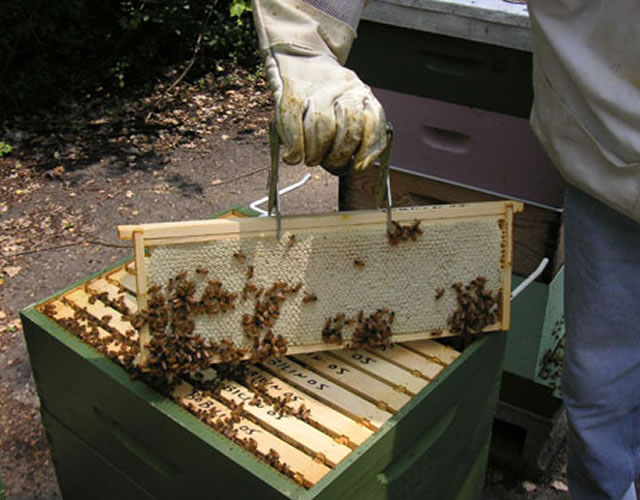
 Factmore Dzobo
THE summer heat in Masenyane Village in Lupane District in Matabeleland North province is unbearable. People in this sun-baked village have long given up hope of ever getting a good farming season that would assure them a decent harvest. They literally scavenge for water and when they get it usually it is in ephemeral puddles on the dry Shangani River bed which they share with wild and domestic animals. Many of their cattle have as a result died of thirst. The situation has been worsened by lack of pastures.
The farmers who have lost hope of realising a good harvest or producing livestock, have turned to beekeeping which is proving to be a lucrative venture. Many of them have already started enjoying money realised from selling honey.
“Beekeeping is the only thriving farming project in this area. Erratic rains and successive droughts have forced many of us to turn to beekeeping. Shortage of water and grazing is claiming our livestock. We used to water our livestock from Bubi and Shangani rivers but they are both dry now. There is only one borehole that is functioning, which the whole village is relying on for drinking and for their livestock,” said Mrs Oziah Mlala, of Thuthukani Small Scale Beekeepers Association in Masenyane.
Most people from Lupane District’s 29 wards are full-time producers of honey which has become a source of livelihood for many families A non-governmental organisation, Environment Africa, is assisting them. Mr Brian Sibanda, a member of Thuthukani Small Scale Beekeepers Association said:
“Drought is biting in the province. If it does not rain between now and March it means disaster for many families. It is very tough and the battle is endless. Cattle are dying with no hope for crop farming in this perennially dry region. We try to feed them by sourcing fodder and water. Some of them walk long distances in search of water. We just hope the drought won’t affect our bee projects which have become our only source of livelihood,” said Mr Sibanda.
A beekeeping trainer Mr Mlungisi Moyo said:
“When Environment Africa came up with the idea of starting beekeeping, many of us got interested and started beekeeping just as a hobby but because of failure of other farming activities due to climate change-induced droughts, beekeeping has become the only thriving economic activity in our village,” said Mr Moyo.
October is the time when villagers begin harvesting honey. Men and women brave the heat as they move from tree to tree harvesting the honey.
Many of them exchange honey for groceries while others sell for cash.
“Very soon you will be calling Lupane the ‘capital city of honey’ in this province. We are now pinning our hopes and survival on selling honey. At times we exchange our honey in return for groceries,” said Mr Mdluli Ncube of Lupaka Village.
Mr Elias Mbedzi from the same area said he earns enough money to pay school fees for his children.
“We harvest about 20kg of honey from five hives and a kg of honey sells for $10,” he said.
He said normally they harvest honey twice a year and the more hives one has the bigger the harvest.
“Crop farming is no longer viable. We used to harvest enough food for family consumption but due to erratic rains, we have been experiencing in the past few years, maize farming has become unreliable. We then realised that rearing bees for production of honey was more viable than crop farming. Right now I am able to survive and send my children to school through bee farming,” said Mr Mbedzi.
Many peasant farmers are into honey production which used to be a preserve of white commercial farmers. Apart from honey, which is sold locally or exported to South Africa, Botswana and overseas, farmers also sell bees wax, propolis, and royal jelly and other by-products used to manufacture different conventional medicines.
Mr Cliffe Maunze, Environment Africa, Lupane district’s area manager said his organisation introduced many community projects, among them beekeeping as part of measures to increase families’ income.
“We introduced beekeeping projects and the rearing of small livestock that can thrive in the drought- stricken region and many communities have embraced the initiatives and are now surviving on these projects. The objective is to empower communities so that they do not depend on food handouts from either the Government or non-governmental organisations,” he said.



 Online Reporter