Online Reporter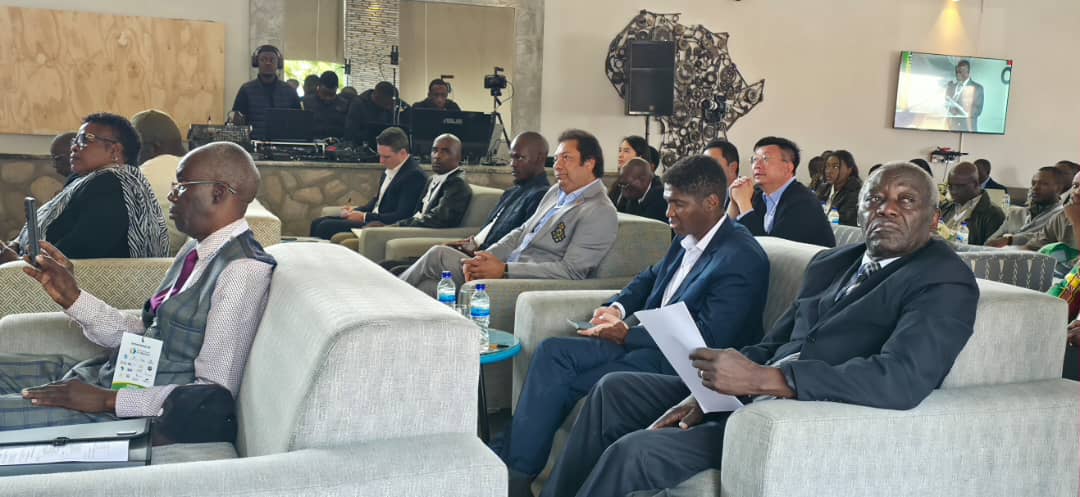
Conrad Mupesa
Mashonaland West Bureau
THE fourth edition of the Mashonaland West Provincial Investment Conference has kicked off at Pamuzinda Safari Lodge in Selous, Chegutu, as the province seeks to attract investment across key economic sectors.
The two-day conference has brought together captains of industry, business executives, investors, local authorities, provincial and district Government officials and other stakeholders to explore opportunities for investment and economic development in the province.
Officially opening the conference, Mashonaland West Provincial Affairs and Devolution Minister Marian Chombo said the province was committed to creating a conducive environment for investors as it pursues accelerated economic growth.
She said Mashonaland West was ready to welcome investors in mining, agriculture, manufacturing, renewable energy, water reticulation and tourism, among other sectors.
The province is targeting increased investment to expand its contribution to national economic growth and support Zimbabwe’s drive towards an upper-middle-income economy by 2030.
Minister Chombo said the Government was working to address bottlenecks that could impede investment and was strengthening collaboration between the public and private sectors.
Delivering a presentation titled “Rethinking and Reshaping the Investment Status Quo,” Hippo Creek Mine manager responsible for workman investments, Mr Lucky Mupoperi, challenged investors to play a greater role in absorbing graduates produced by the country’s tertiary institutions.
He said this would help Zimbabwe retain skilled human capital needed to drive industrialisation and economic transformation.
His remarks dovetail with Government’s Education 5.0 thrust, which seeks to transform tertiary institutions from being primarily teaching and learning centres into hubs of teaching, research, community service, innovation and industrialisation.
Under Education 5.0, universities and other higher and tertiary education institutions are expected to produce graduates who can create solutions, commercialise research and establish enterprises that contribute directly to economic development.
The model is therefore closely linked to Zimbabwe’s industrialisation agenda, with institutions expected to work with industry and other stakeholders to turn research and innovations into commercially viable products and services.
Mr Mupoperi said closer collaboration between industry and tertiary institutions would ensure graduates acquire skills that respond to the needs of the economy while creating opportunities for young professionals to remain and work in Zimbabwe.
Great Dyke Smart City Housing Scheme director, Dr Samuel Mudavanhu, said the province had opportunities in the accommodation sector.
The scheme has availed 6 000 housing stands located between Kadoma and Chegutu. The conference will also feature panel discussions on investor tracking and recommendations, with senior officials from the Ministries of Mines and Mining Development, Lands and Rural Development and Tourism and Hospitality Industry expected to share insights.
The discussions are expected to identify investment opportunities, address challenges confronting investors and strengthen mechanisms for tracking investment projects in the province.