Online Reporter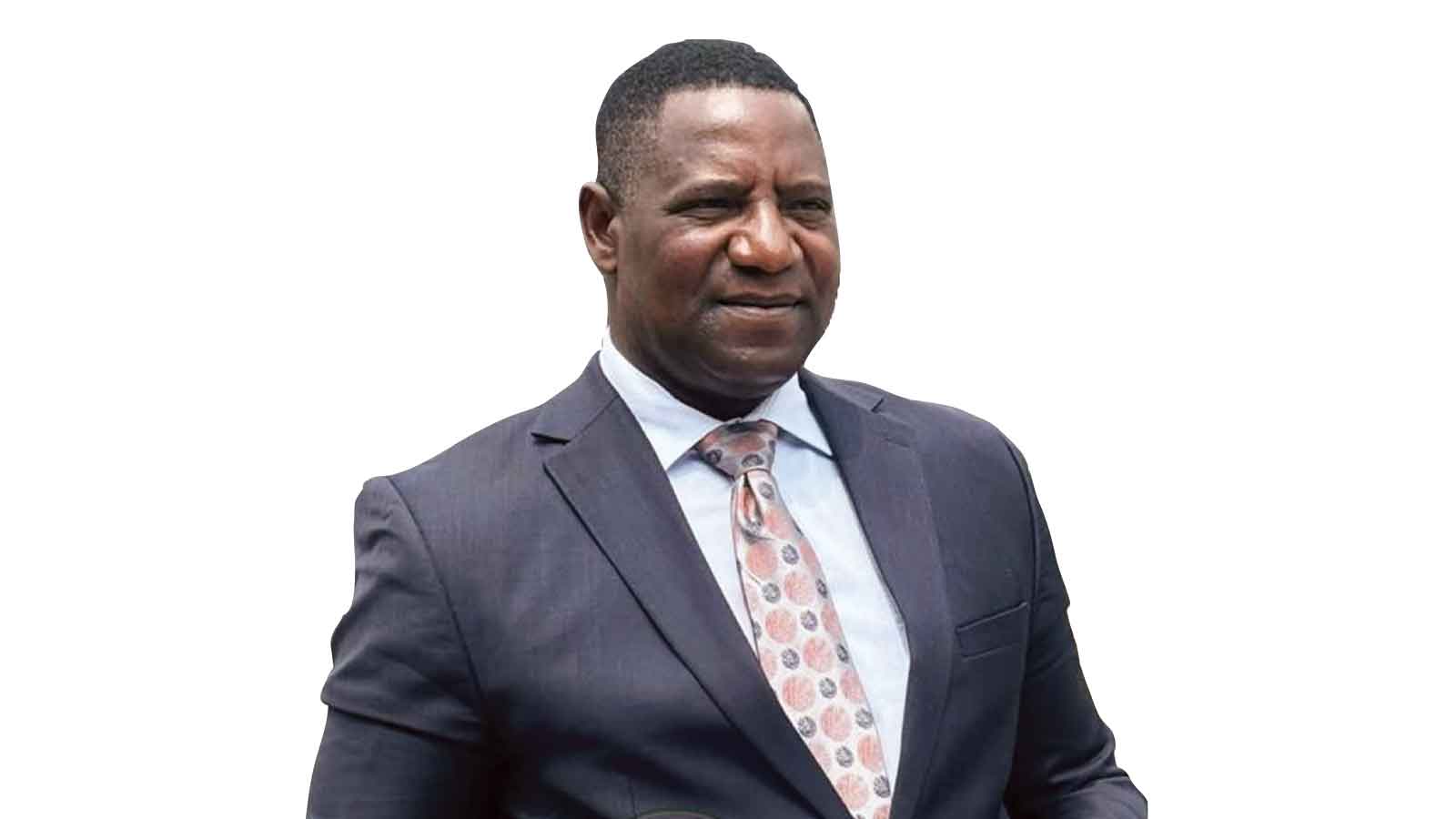
Mashonaland Central will have the distinction of hosting the third edition of the Munhumutapa Day celebrations after the inaugural event in Masvingo and last year’s commemorations in Zvishavane, Midlands province. The rotation is in line with the Government’s philosophy of devolving national events. Under the Second Republic’s development agenda, this year’s host province has experienced its fair share of milestones. The Sunday Mail last week engaged Mashonaland Central Minister of State for Provincial Affairs and Devolution CHRISTOPHER MAGOMO to gain insights into preparations for this year’s commemorations, as well as progress in the implementation of infrastructure projects.
***************
Q: Which major infrastructure projects in Mashonaland Central are underway or have been completed? How many are on schedule versus those that have been delayed?
A: Mashonaland Central province has made notable progress in the implementation of infrastructure projects, as evidenced by a portfolio of projects across the transport, water, energy, health and education sectors. Total values vary by project as some show funds disbursed for the current year, while others reflect the total utilised to date, and others show the total budget.
Key flagship projects include the Harare-Kanyemba road; the Ndodahondo (Mt Darwin-Mukumbura) Road, US$8 736 959; Eureka 8,5MW (megawatt) and Guruve 10,5MW solar plants; Kanyemba electrification, US$500 000; the Kanyemba Irrigation Scheme; the BUSE (Bindura University of Science Education) Muzarabani Innovation Hub and male hostels; Semwa Dam, US$386 080 138; Musembura Pipeline, US$3 million, as well as bridges such as Nzoumvunda and Mwembezi Causeway.
We acknowledge challenges relating mainly to funding disbursements, foreign currency constraints and equipment mobilisation.
However, the Government is actively managing these through tighter implementation monitoring, targeted support to implementors and prioritisation of critical path items so that delays do not become permanent setbacks.
Q: What tangible changes should communities expect from the province in current investments in infrastructure? Can you identify specific projects that are already improving access to water, health, education, electricity and other essential services?
A: Communities should expect visible improvements in daily access and service reliability.
Infrastructure is not only about building structures; it is about ensuring access to services, improving water reliability, strengthening health service delivery, improving access to affordable energy and improving learning environments.
Already, we are seeing improvements such as road rehabilitation and upgrading on strategic corridors such as Harare-Kanyemba and Kanyemba Border Post, Bindura-Mvurwi-Harare and Nyakasikana-Masango-Katanga, improving access and trade.
There are also water supply works, including borehole drilling through the Presidential Borehole Drilling Programme, the establishment of village business units (VBUs), water reticulation such as the Masembura Pipeline, and the rehabilitation of treatment and distribution systems, as well as Kurai stabilisation ponds in Mvurwi.
Health facility upgrades include the Chimhanda School of Nursing, commissioned during the Independence Day commemorations, and the upgrading of health posts to clinics, including major clinics such as Muyambuka Clinic, Woodbroke Clinic and Chigwida Clinic.
This extends to the construction of pharmacies at rural health facilities such as Bandimba Clinic, Mvurwi, Wadzanayi, Bindura and Concession.
In terms of school infrastructure, there has been classroom rehabilitation, new classroom blocks and the establishment of completely new schools such as Zvitokwe and Anarphy primary schools, as well as the extension of internet access in schools through the Ministry of ICT, Postal and Courier Services, and private players.
In addition to solar plants, there has been the construction of community solar mini-grids in areas where grid connection is far, including Chiwenga 30kW and the Chiwonde mini-grid (ongoing).
I would also like to highlight that the focus is on projects that are sustainable and increase household and community resilience: roads that connect communities to markets, water systems that remain operational and facilities that are maintained, not only built.
Q: What is the province’s strategy for attracting investment beyond Government-funded infrastructure?
A: Mashonaland Central’s investment attraction strategy goes beyond reliance on Government-funded infrastructure by developing investment ecosystems around the province’s comparative advantages.
The key vehicle for this strategy is the operationalisation of three special economic zones (SEZs) announced at the 2026 Provincial Investment Dialogue held at Baradzanwa Cultural Village: the Mazowe-Mvurwi Agro-Industrial and Tobacco Value Chain SEZ; the Bindura-Shamva Mineral Beneficiation and Manufacturing SEZ; and the Muzarabani-Mbire Energy and Petrochemical Industrial SEZ.
These zones will provide a platform for mobilising domestic and foreign private capital into value addition, beneficiation, manufacturing, energy and export-oriented production.
The province has complemented the SEZ programme by packaging and promoting bankable projects.
Eighty-four projects have been banked and are ready for uptake by investors. This is also a strategy to attract private investment.
As a province, we are also facilitating public-private partnerships and joint ventures, and we are working with ZIDA (Zimbabwe Investment and Development Agency) and local authorities to streamline investment approvals.
The strategy is, therefore, to use public infrastructure as an enabler while allowing private capital, technology, entrepreneurship and markets to drive industrialisation.
Ultimately, the province seeks to transform from a producer of primary agricultural and mineral commodities into a diversified industrial economy characterised by local value addition, integrated value chains, increased exports, employment creation and broad-based rural industrialisation.
Q: Mining and agriculture are central to Mashonaland Central’s economy. What infrastructure bottlenecks are currently preventing these sectors from reaching their full potential, and what is being done to address them?
A: The biggest infrastructure bottleneck holding Mashonaland Central back from unlocking the full potential of both mining and agriculture is the reliability of basic “input” infrastructure, especially electricity, water and a supporting road network for market access.
Power shortages — capacity shortfalls, losses and load-shedding — raise operating costs and reduce output, directly affecting both mines and agri-processing and irrigation use.
To curb this problem, Mashonaland Central province is making energy-sector investment and coordination efforts aimed at improving reliability and universal access.
Local electrification efforts tied to development projects; for example, the Eureka 8,5MW solar project and the Guruve Solar Park, are underway.
In addition, agriculture in Mashonaland Central depends heavily on consistent water for irrigation and stable production; water constraints also undermine water-linked agro-processing and related livelihoods.
The province is in the process of constructing four major dams, namely Semwa Dam, Dande Dam, Bindura Dam and Mbada-Silverstroom Dam. These dams will increase irrigable land, enabling agriculture to reach its full potential. These dams will also provide water for use in the mining sector.
The province is also in the process of rehabilitating the following irrigation schemes: Principe A and B; Eben; Tsakare A and B; Chipa; Chesa Mutondwe; Chinehasha; Vhuka; Mazivandagara; Mudotwe; Rukunguwe; Dotito; and Kanyemba.
Rehabilitation works are already complete for the following: Mwenje, Riveira and Ashmire irrigation schemes. River rehabilitation and water security measures aimed at restoring water bodies and supporting livelihoods have also commenced in the province.
Furthermore, poor road networks reduce competitiveness in the agriculture and mining sectors in Mashonaland Central province, raising costs and limiting reliable access to buyers, inputs and processing hubs.
To address this, the province has started road rehabilitation and widening programmes, including major Mashonaland Central corridors such as Harare-Kanyemba, as well as other road works under the Emergency Road Rehabilitation Programme 2 (ERRP2), which form part of ongoing improvements.
Q: As preparations for the 2026 Munhumutapa Day celebrations gather pace, what infrastructure is being developed or upgraded specifically for the event?
A: As we prepare for Munhumutapa Day, we are undertaking event-supporting infrastructure and upgrades, including access roads and signage around event venues and visitor routes, as well as improvements to water and sanitation facilities at event sites.
Importantly, we do not treat this as a temporary build-and-forget exercise.
Where construction is done, it follows standards for durability, and we ensure handover procedures for maintenance, operational budgeting for utilities and servicing, and documentation of works completed so that local authorities can sustain the systems.
Q: Beyond hosting the event itself, how does Mashonaland Central intend to use its historical and cultural heritage to attract visitors, investment and sustained tourism revenue?
A: It is fitting that Munhumutapa Day is being hosted in Mashonaland Central, as one of the province’s greatest untold stories is the legacy of Nyatsimba Mutota, founder of the Mutapa State.
From the Dande Valley in present-day Mbire district, Mutota established one of Southern Africa’s most influential pre-colonial kingdoms, which controlled extensive trade in gold, ivory and other commodities with merchants on the East African coast.
Mashonaland Central was also a significant theatre during Zimbabwe’s liberation struggle. Districts such as Mount Darwin, Rushinga, Mbire, Guruve and Muzarabani served as strategic operational areas, crossing points and community support bases.
Mashonaland Central contains lesser-known stone ruins such as the Nyatsimba-Mutota Ruins and Chisvungo Ruins. These sites demonstrate sophisticated indigenous engineering and settlement patterns that remain largely unexplored by visitors.
The province is rich in traditional leadership, ceremonies, music, dance, storytelling and indigenous knowledge systems that have been passed down for generations, including those of the Doma people of Mbire.
The province also contains sacred mountains, caves, forests, pools and shrines associated with ancestral worship and traditional spirituality. These landscapes hold deep cultural significance but remain largely absent from mainstream tourism.
The province’s towns, particularly Bindura, Shamva and Mazowe, reflect Zimbabwe’s colonial mining history.
Old mine settlements, railway infrastructure and historic administrative buildings tell the story of economic transformation and colonial expansion . . .
The development of the Baradzanwa Culture Centre reflects growing recognition of culture as a tourism asset and demonstrates the significant investment potential. The venue has introduced modern meeting facilities integrated with Zimbabwean cultural heritage, combining conference spaces, accommodation, dining and cultural experiences — offering a unique destination for business and recreational events.
Strategies to attract further investment in the tourism sector include making prime opportunities readily available for prospective investors to establish world-class tourism and hospitality facilities through public-private partnerships (PPPs) across the province.
These include Bindura district, our provincial capital; Mazowe district, which is located close to the national capital; and Mbire district, which is positioned to emerge as a premier tourism destination.
The ongoing Harare-Kanyemba highway upgrade and expansion will improve accessibility to destinations such as Mbire district.
Q: What are the biggest risks to the province’s development agenda, and what is the Government doing to overcome them?
A: The major risks to Mashonaland Central’s development agenda are funding constraints, energy supply challenges and ensuring the effective implementation of strategic projects.
Firstly, funding constraints remain a challenge given the scale of infrastructure and development requirements across the province.
To address this, the Office of the Minister of State for Provincial Affairs and Devolution is promoting innovative financing mechanisms and PPPs.
A notable example is the US$3 million Masembura Piped Water Scheme being implemented through a PPP between Bindura Municipality and Freda Rebecca Gold Mine, demonstrating how Government is leveraging private sector participation to finance critical infrastructure.
Secondly, energy supply remains critical for industrialisation, mining, agriculture and investment growth.
To strengthen energy security, the province is supporting renewable energy investments, including the 10MW Guruve Solar Project and the 8,5MW Eureka Solar Project, which will contribute towards improving electricity
availability and supporting economic development.
Thirdly, project implementation and coordination are essential to ensuring that development programmes achieve intended outcomes.
To strengthen implementation, the office has established a fully fledged Economic Affairs and Investment Department, led by a director and staffed by economists at provincial level.
The team is also trained in monitoring and evaluation to track project performance, identify implementation bottlenecks and ensure accountability and timely delivery of development initiatives.