Rutendo Nyeve, Victoria Falls Writer
MATABELELAND North province has emerged as a powerhouse of national development, recording the successful implementation of more than 40 high-impact projects under the National Development Strategy 1 (NDS1), a five-year blueprint that ended last month.
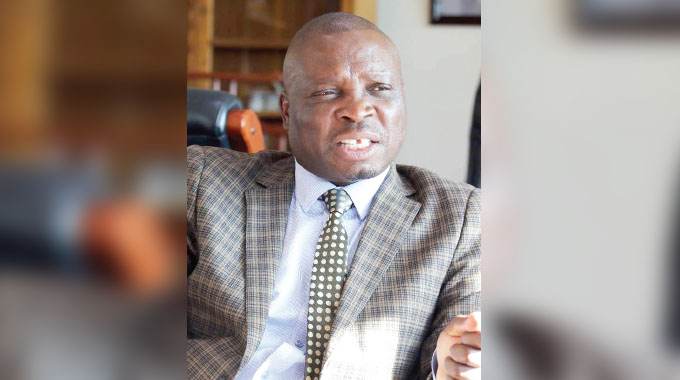
Minister of State for Matabeleland North Provincial Affairs and Devolution, Richard Moyo, said this as he unveiled the detailed project portfolio to this news crew, showcasing a period of unprecedented investment and progress.
The projects — spanning mining, energy, food security, infrastructure, housing, healthcare, and digitalisation — have collectively transformed the provincial landscape, creating thousands of jobs, and significantly boosting local economic growth.
Minister Moyo said the province recorded significant strides under NDS1 High Impact and Commissioned Projects, which are a testament to the coordinated efforts between the Government, private investors and development partners.
“From 2021 to 2025, our province has been a hive of activity, witnessing the commissioning and advancement of 45 strategic projects aligned with NDS1,” he said.
“This is not just a list of developments. It is a narrative of transformation. We have seen concrete investments that are putting our people to work, improving their livelihoods, and building the foundation for a prosperous and resilient Matabeleland North.”
The mining sector has been a primary driver, with projects like the Kamativi Lithium Mine (US$249m), commissioned in April 2024. The project has already created over 1 200 jobs and spent millions of dollars on development of local infrastructure.
The Muchesu Coal Mine and the Dinson Coking Plant have added hundreds more jobs while mega-investments like the ZhongJin Heli Energy project (US$400m) and the Zimbabwe Zhongxhin Coking Company are set to dramatically increase export earnings and contribute significantly to the provincial GDP.
“The expected impact of these projects is multi-fold. Beyond direct employment, they stimulate local businesses, improve service delivery and attract further investments,” Minister Moyo said.
He said the province was moving its economy up the value chain from raw extraction to processing, which is key for sustainable growth.
On infrastructure, the province has solidified its role as Zimbabwe’s energy epicentre. The completion of Units 7 and 8 expansion at the Hwange Thermal Power Station, a US$1,5 billion project, has added critical megawatts to the national grid, directly benefiting 50 000 people through employment and supply chains in the province.
This is complemented by renewable energy projects like the Bemba Solar Plant and Cross Mabale Solar Plant, enhancing energy diversity.
Food and nutrition security received a monumental boost with the ongoing Lake Gwayi-Shangani project (US$121,7m).
Upon completion, the dam is set to revolutionise agriculture in the region, supporting irrigation for at least 10 000 hectares of land across Binga, Hwange, and Lupane, while also generating electricity.
The transformation extends deeply into social services.
“The Lupane Provincial Hospital project continues to advance, promising improved healthcare access. Multiple clinics, including Jowa, Maboleni, and the newly operational Tshongokwe Hospital, have been commissioned across districts, significantly upgrading healthcare services for thousands of residents,” said Minister Moyo.
He said human capital development has been prioritised, with facilities like the Nyamandlovu and Mahlothova low-cost boarding schools reducing walking distances for scholars and increasing educational opportunities, particularly for the girl child.
In housing, large-scale private developments like Kings City are delivering thousands of residential stands. Digital economy initiatives, such as the Self-Serving LADS Machine and Council Chatbot in
Umguza, are modernising local governance and improving citizen service delivery.
Numerous community-focused projects like the Ntabazinduna Horticultural project and several piped water schemes are empowering women and youth thereby improving food security, and strengthening community resilience.
As the nation prepares to transition into the second phase of its development blueprint, NDS2, Minister Moyo expressed optimism for Matabeleland North’s continued accelerated development.
“The momentum we have built under NDS1 is formidable. The completed projects are operational, creating value, and those ongoing are nearing completion.
“Going into NDS2, we expect even more growth. The foundation has been laid, and we anticipate enhanced investor confidence, further value-addition in our key sectors, and a continued upward trajectory in job creation and socio-economic development for our people,” he said.
The comprehensive portfolio of projects underscores Matabeleland North’s strategic execution of the national development agenda, positioning the province not only as a beneficiary of national policy but as a critical engine for Zimbabwe’s overall economic growth and stability.