Online Reporter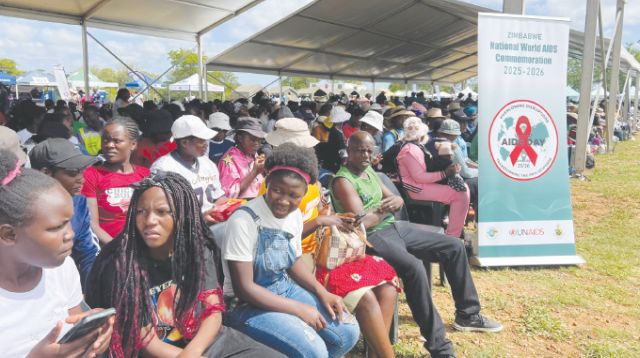
Sukulwenkosi Dube-Matutu, [email protected]
COLLABORATIVE approaches remain critical in combating the spread of HIV in Matabeleland South, where inclusive programming is needed to drive behaviour change and empower communities in the province, which has the highest HIV prevalence in the country.
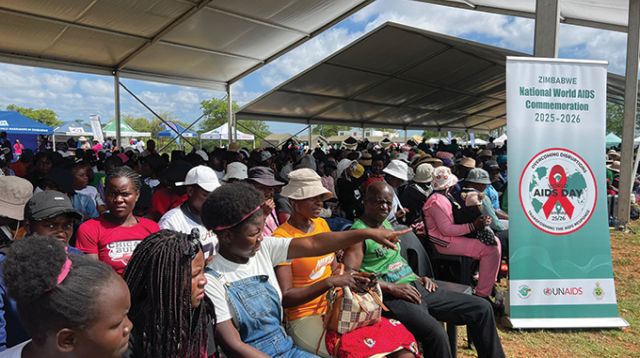
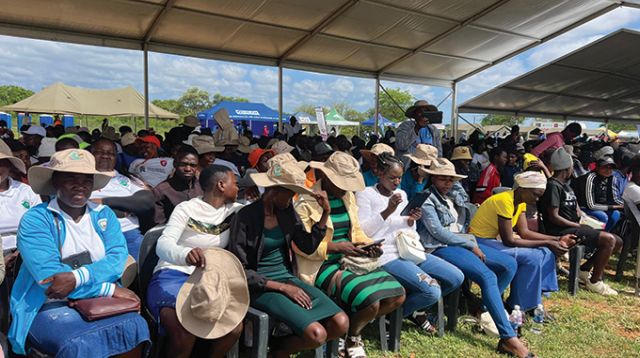
Minister of State for Matabeleland South Provincial Affairs and Devolution, Albert Nguluvhe, said this during World Aids Day commemorations held in Umzingwane on Monday. He highlighted that the province faces heightened risk due to its proximity to regional border zones and increased mining activities.
Minister Nguluvhe called for strengthened, targeted programming to improve HIV outcomes and ease the burden of the pandemic in the region.
Matabeleland South has an HIV prevalence rate of 15 percent and an incidence rate of 0,2 percent. All seven districts record prevalence rates significantly above the national average of 9,8 percent, underscoring a substantial regional burden requiring intensified and co-ordinated interventions.
Bulilima District has the highest prevalence in the country at 17,6 percent. Bulilima, Mangwe and Gwanda all exceed the provincial average, indicating they face the most severe challenges in HIV prevention and treatment.
“As a province, we are enthused to be hosting this event of national and global importance, given our own peculiar challenges with the pandemic. Data shows that Matabeleland South province has both the HIV incidence and highest HIV prevalence in the country, something that continues to worry us.
We hope that this national honour to host World Aids Day will attract more attention on how we can address this challenge,” said Minister Nguluvhe.
He said the province’s location — sharing borders with South Africa and Botswana, with some of the continent’s busiest entry points in Beitbridge and Plumtree — attracts high levels of regional traffic, increasing vulnerability.
The minister noted that cross-border traders, travellers and truck drivers spend extended periods in the province due to clearance processes, while courier operators known as Omalayitsha are constantly on the move. This mobility, he said, often disrupts drug adherence as many people find themselves far from their usual drug collection points.
Minister Nguluvhe said the province’s mineral endowment, especially gold, attracts large numbers of young, sexually active artisanal miners from across the country. Seasonal amacimbi harvesting and orange-picking activities also draw large groups who live in close proximity.
“These dynamics, which promote large-scale interaction, also create conditions for transactional sex, which if unprotected raises the risk of HIV acquisition,” he said.
The situation is worsened by spousal separation as men and women travel to Botswana and South Africa for work, reuniting with spouses only during major holidays, increasing the risk of infection.
“In view of these challenges, our province has intensified HIV service delivery to cater for both mobile and static populations, including hard-to-reach artisanal mining areas,” he said.
He said HIV testing, condom distribution, awareness campaigns and treatment services have all been scaled up. With borders operating for longer hours during the festive period, the province has set up safe health clinics near border posts and introduced moonlight HIV testing and condom distribution along major highways.
Government, through the National Aids Council (NAC) and partners, has integrated HIV services with emerging health concerns such as non-communicable diseases and drug and substance abuse.
NAC chief executive officer, Dr Bernard Madzima, said domestic resource mobilisation will be intensified to close funding gaps caused by global donor fatigue. He said the Aids Levy will continue ensuring that the country does not run out of essential HIV medicines and related resources.
This year’s World Aids Day commemorations were held under the theme: “Overcoming disruption, transforming the Aids response.”
In his address on Sunday, President Mnangagwa said the 2025 World Aids Day theme reflects the challenges Zimbabwe faces following Covid-19 disruptions and emerging threats, including non-communicable diseases, climate-related emergencies and outbreaks such as Mpox. — @DubeMatutu