Online Reporter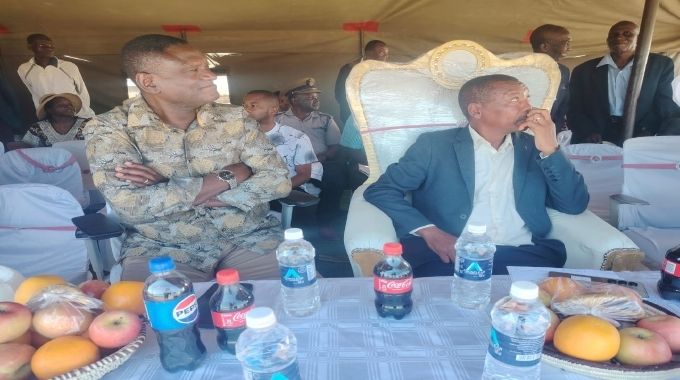
Mthabisi Tshuma [email protected]
For more than a decade, the rainbow province has rested like a sleeping drum, with its rhythm buried beneath the dust of time and its voice barely heard beyond its borders.
Matabeleland South has long been known for its rich cultural diversity, from the Venda communities of Beitbridge, to the Sotho and Jahunda people of Gwanda, the Kalanga of Matobo, Bulilima and Mangwe, and the Ndebele of Insiza, Esigodini and Umzingwane, yet the province has not made the kind of impact in the creative sector that matches the depth of its heritage.
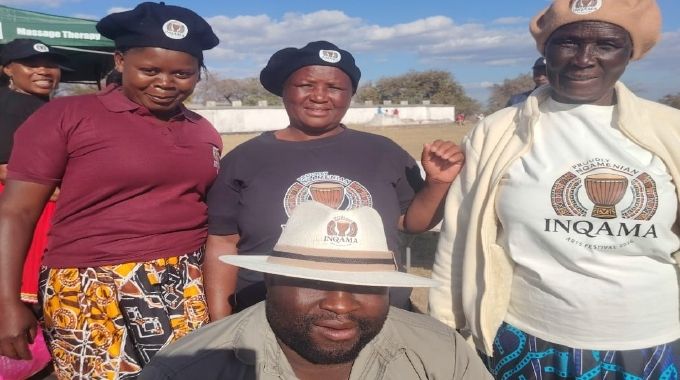
The province has hosted many festivals over the years, including the Jahunda Community Arts Festival supported by Savannah Trust, the Rainbow Province Arts Festival supported by the Culture Fund of Zimbabwe Trust, the Tivakalanga Arts Festival, BICC Gospel Festival, Inqama Arts Festival, Godlwayo Cultural Festival, Gwambe Arts Festival and the Tshitaudze Arts Festival.
In August this year, the Godlwayo Cultural Festival, Tivakalanga Arts Festival and Inqama Arts Festival were all held, while other festivals such as Jahunda Community Arts Festival and the BICC Gospel Festival, once regarded as one of the best gospel platforms in the region, have since folded.
This year has however, marked a turning point, with the Inqama Arts Festival held over the weekend of August 28 to 29 in the Simbumbumbu area of Gwanda District providing a new direction for cultural expression in the province.
Held under the theme “Reclaiming Our Roots – Shaping Our Future”, the event brought together communities to celebrate local heritage and to use arts and culture as a tool to fight drug abuse among young people.
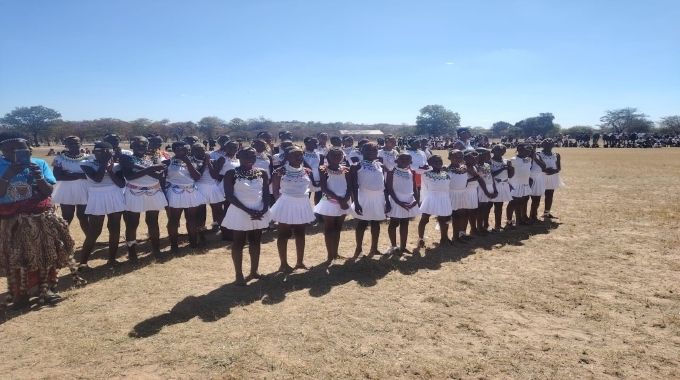
The festival was officially opened by Matabeleland South Province Minister of State for Provincial Affairs and Devolution Cde Albert Nguluvhe, and was attended by representatives from various Government ministries, partner organisations, members of the Diplomatic Corps, development partners, sponsors, arts and culture stakeholders, elders, women and youth from Inqama.
On stage, Matabeleland South’s finest performers delivered performances that reflected both tradition and contemporary creativity.
Clement Magwaza, Maqedimbuzi, Mlambos Express Band, Pah-Stambo, Izkhokho ZeMakwe, Young Boys, NonoBae, Revonia Ndaba, Maps Mabhayi, Luba leMvelo and Thandanani all took part and gave audiences a display of the province’s musical and artistic talent.
Beyond performances, the festival included an Amabutho and Amatshitshi training workshop aimed at equipping younger generations with traditional knowledge and cultural practices, while August 28 was dedicated to traditional music, poetry and dance exhibitions that showcased diversity of local expression.
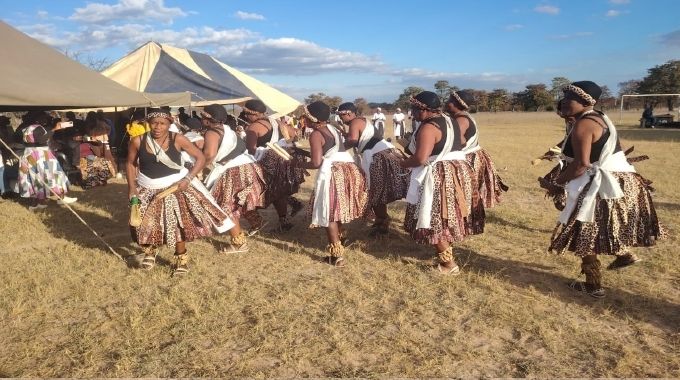
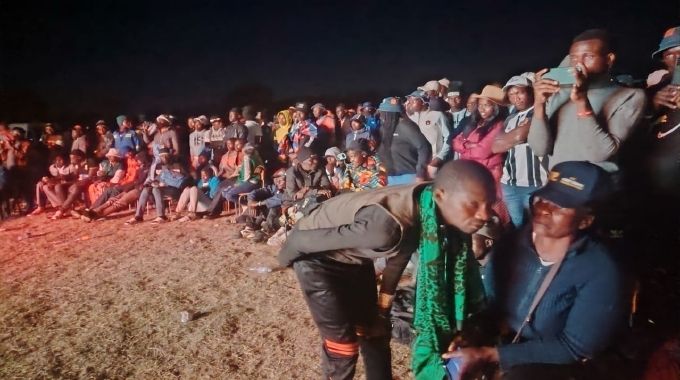
The official launch was followed by a full day of cultural activities and a night gala headlined by some of the region’s top acts, before the programme concluded with a soccer and netball tournament that organisers said was intended to unite communities through sport and shared identity.
The festival drew people from Wards 6, 7 and 8 under the patronage of Chief Mathema, and it marked one of the most significant community-driven efforts to showcase and preserve cultural heritage on a common platform.
For those who attended, the grounds carried the smell of woodsmoke and ambition, and it was clear that what was taking place was not nostalgia but reclamation.
What began as a gathering has grown into a movement, and what began as a stage has become a birthplace for new talent.
Poets who once performed in the shadows of Gwanda’s mountains now have bigger platforms, while dancers who practised under trees have been given exposure that has set fire to their feet and to the aspirations of the province.
There was a time when people from Matabeleland South carried their culture like a quiet prayer, but today they carry it like a banner, like a drumbeat and like a war cry of joy.
The province that once lay low has come out with pride, and through beadwork, mbira, praise poetry and contemporary theatre, it has declared that its heritage is not a relic in a museum but something that is alive, loud and present.
Guest of honour Chief Dlodlo said the presence of Government leaders and partners at the festival affirmed the national importance of what the community was doing in Inqama.
“Your presence here today, especially that of our honoured guests from Government Ministries and partner organisations, affirms the national importance of what we are undertaking in Inqama. You honour us and we thank you for standing with our community,” he said.
Chief Dlodlo said the theme was both a reflection on the past and a commitment to the future.
“We reflect on a heritage that has sustained us: the rhythms of our drums, the geometry of Ndebele design, the art of our potters, the wisdom in our oral traditions, and the spirit of ubuntu that binds us.
These are not relics of the past. They are living assets for our present and future,” he said.
He added that the festival was committing to a future where culture is not sidelined but positioned as a driver of identity, social cohesion, education and economic opportunity.
“An arts festival is far more than a celebration. It is an investment. In our people, it instills pride in our youth and creates platforms for our artists to earn with dignity. In our economy, it promotes tourism, markets our crafts, and opens Inqama to the world,” he said.
Chief Dlodlo also called on Government and partners to support cultural initiatives, and urged the community to take ownership of the festival.
“To our Government partners and supporting organisations, we invite you to partner with us meaningfully. Support for the arts is support for development. As a Chief, my charge to this community is this: Let us receive this festival with ownership. Let this launch be the foundation stone upon which we build an annual event of excellence and significance,” he said.
The Inqama Arts Festival has lit the match, and now the whole province burns bright with identity, with the confidence to build its own table instead of asking for a seat at someone else’s.