Online Reporter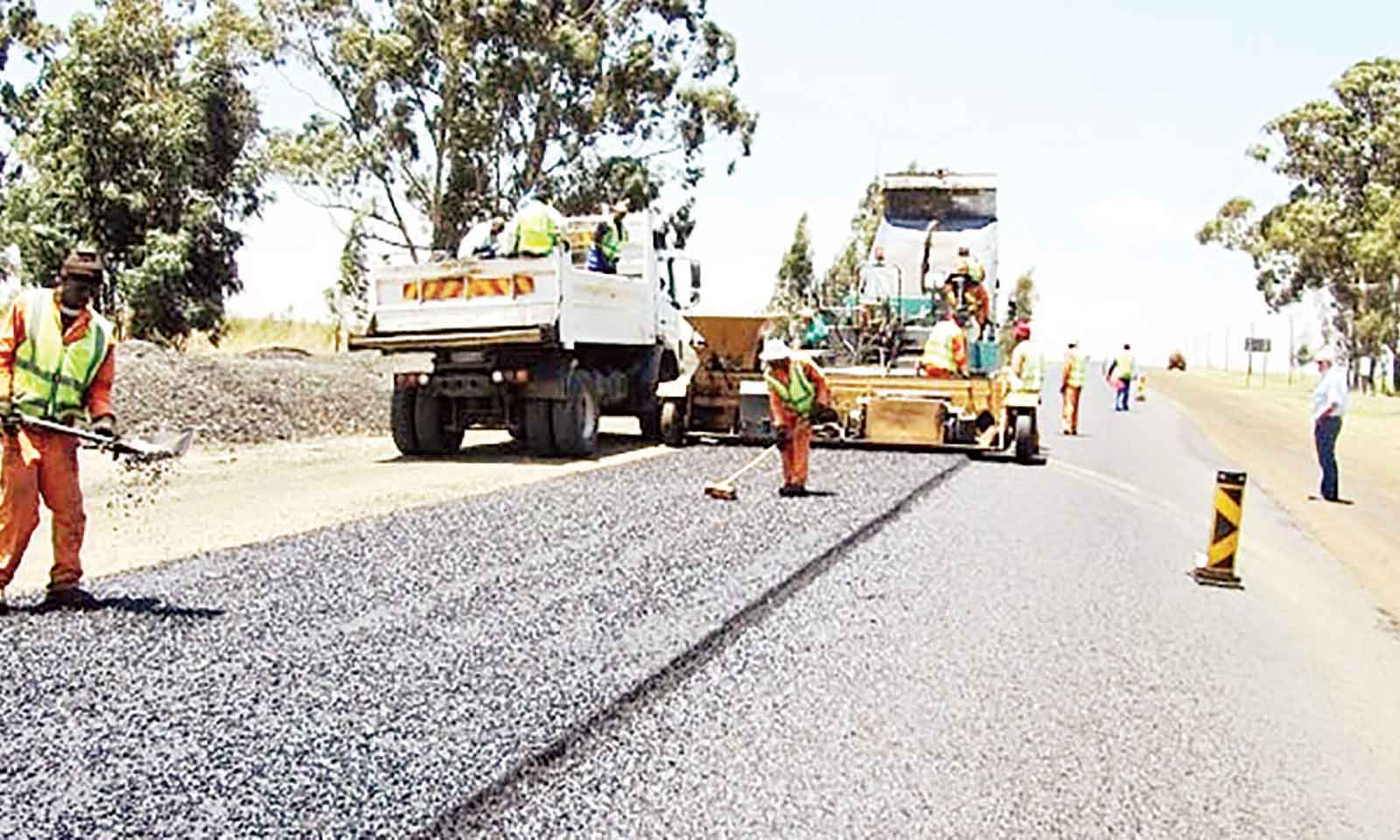
Zimpapers Politics Hub
AS 2025 draws to a close, the Matabeleland region stands as a profound testament to President Mnangagwa’s “leaving no one and no place behind” mantra.
Long perceived as a geographic and industrial periphery, the Matabeleland region, comprising the three provinces of Bulawayo, Matabeleland North and Matabeleland South, has been strategically repositioned as the engine room of Zimbabwe’s Vision 2030.
This shift is not merely rhetorical; it is driven by massive infrastructure projects, energy self-sufficiency, and a “business-led” approach that is reviving dormant hubs and unlocking vast potential across the Matabeleland North and South provinces.
Matabeleland North has solidified its status as the nation’s undisputed “powerhouse.”
Throughout 2025, the Hwange Thermal Power Station remained the unbreakable backbone of the national grid.
Despite the significant hydrological challenges at Kariba due to climate-induced low water levels, Hwange’s Units 7 and 8 expansion project— a US$1.5 billion investment has been a game-changer.
These units have consistently injected 600MW to 700MW into the grid, now meeting approximately 50 percent of the national electricity demand.
Zanu PF national spokesperson, Ambassador Christopher Mutsvangwa, recently emphasised this strategic importance, stating:
“You cannot build a modern Zimbabwe without Hwange, because that is where our energy comes from. The President’s efforts have brought back a town that had essentially died.”
Today, Hwange stands as the country’s most reliable power source. This ‘Hwange Energy Anchor’ has created massive industrial synergy, breathing life back into a town.
The revival has fuelled a regional coking coal boom, with Matabeleland North now the primary supplier for the burgeoning steel industry.
This localised economic ecosystem has not only stabilised national power but has created over 50 000 direct and indirect jobs for the local community, from engineers to machine operators.
The Lake Gwayi-Shangani project, the signature first phase of the National Matabeleland Zambezi Water Project, has seen intensified activity this year.
The dam wall has reached critical heights, with the project now over 70 percent complete.
This massive water body represents a permanent solution to Bulawayo’s century-old water crisis, but its vision is far more expansive.
The project is the enabler for a 10,000-hectare irrigation master plan. This 252km “Greenbelt” along the pipeline to Bulawayo will transform the historically arid Matabeleland landscape into a lush agricultural corridor.
With the addition of a 10MW mini-hydro plant and planned tourism hubs around the dam wall, the local economy is being diversified far beyond traditional mining.
Recognising that modern economies move on wheels and rails, the Second Republic has accelerated the rehabilitation of the Bulawayo-Victoria Falls Highway.
This 440km stretch is a critical link in the North-South Corridor, connecting South Africa to Zambia and Botswana.
Throughout 2025, eight contractors have been working simultaneously to widen the road from 7 metres to 9 metres.
This modernisation is crucial for safety and transit efficiency, particularly given the heavy loads of coking coal now traversing the region.
Beyond the asphalt, the project has provided “legacy benefits,” including the construction of access roads to local clinics, the drilling of community boreholes, and the employment of over 800 local workers.
The mantra of “leaving no place behind” is nowhere more evident than in Binga.
Once one of the most marginalised districts, Binga is now a hub of activity.
Last week, the Provincial Empowerment Fund was launched there, providing start-up capital for women and vulnerable groups.
Completed projects under the “Binga Development Initiative” include the rehabilitation of the Binga Airstrip, the construction of new facilities at Binga Industrial Training College, and the opening of two new boarding schools and clinics.
In Bulawayo, the “Citadel” of African Rail is being reborn. By leveraging the new Manhize steel project, the Second Republic is positioning Bulawayo to manufacture its own railway lines and rolling stock.
The goal is to end the reliance on imports from Asia and make Bulawayo the manufacturing heart of Africa’s massive railway revival.
Matabeleland South continues to play a pivotal role in national financial stability.
The Gwanda area remains the highest contributor of gold in Zimbabwe, providing the essential backing for the ZiG (Zimbabwe Gold) currency.
This mineral wealth is being paired with digital inclusion; in 2025, new Digital Centres were commissioned in areas like Tshelanyemba and Mawabeni, ensuring rural Matabeleland is integrated into the global digital economy.
Cde Mutsvangwa recently reminded the nation that Matabeleland South remains a financial pillar:
“Many people do not realise that the Gwanda area contributes the largest share of gold in this country.
“When you talk about the ZiG (Zimbabwe Gold), you are talking about an economy supported by gold. Therefore, Matabeleland already plays a massive role in the financial stability of Zimbabwe.”
The Second Republic has adopted a bold, business-led approach to resolving historical grievances by integrating an economic dimension into the healing of the Gukurahundi wounds.
In prioritising high-impact development and community-led public hearings facilitated by traditional chiefs, the Government is fostering truth and reconciliation while simultaneously delivering infrastructure that empowers these communities.
President Mnangagwa should be commended for opening a dialogue that was considered strictly taboo under the First Republic.
For decades, the subject of Gukurahundi was a “no-go area,” often met with state-enforced silence and fear.
In contrast, the Second Republic has decriminalised the conversation, allowing survivors to speak openly without fear of retribution.
In a powerful symbol of this integration and national unity, Matabeleland South has been chosen to host the 2026 National Independence Day celebrations.
The event will be held in Maphisa, Matobo District, a site of profound historical significance.
This selection has already triggered a “legacy project” framework, with US$35 million allocated for infrastructure development in the province, including the tarring of the Gwanda-Maphisa and Bulawayo-Kezi roads.
As Cde Mutsvangwa aptly stated, the “vitality” seen in Matabeleland is a direct result of focusing on the foundational pillars of energy, steel, and water.
Through transforming divisions of the past into opportunities for the future, the Second Republic has placed Matabeleland at the very centre of the national story.
As the year ends, the people of Matabeleland are no longer observers of development, they are the primary architects of a modern, prosperous Zimbabwe where no one and no place is left behind.