Online Reporter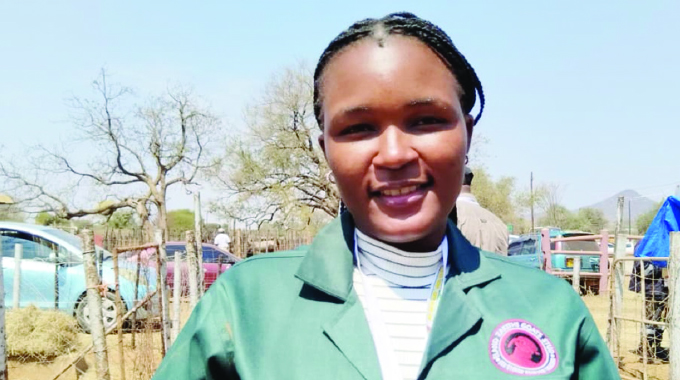
Sione Amidu, Gwanda Correspondent
FARMERS in Matabeleland are gradually moving away from traditional livestock breeds in favour of high-value commercial ones, as they transition from subsistence farming to a business-oriented approach.
This shift is being driven by a growing recognition that strategic investment and innovation in agriculture can significantly improve livelihoods, even in drought-prone areas.
The farmers’ embrace of more profitable breeds is at the forefront of this transformation, demonstrating a new business model for the region. This shift was clearly evident at the recent Matabeleland South Agricultural Show in Gwanda, where both young and experienced farmers showcased prized goats and cattle worth thousands of US dollars.
Among the rising stars of this movement is Ms Bridget Sibanda (27), a Bulawayo-based farmer who won the overall best prize in the small stock category.
She is a member of the Eland Zakithi Goats Stud Group, which has been cross-breeding Boer and Kalahari goats with local breeds to enhance quality and meet the growing demand for goat meat and dairy products.
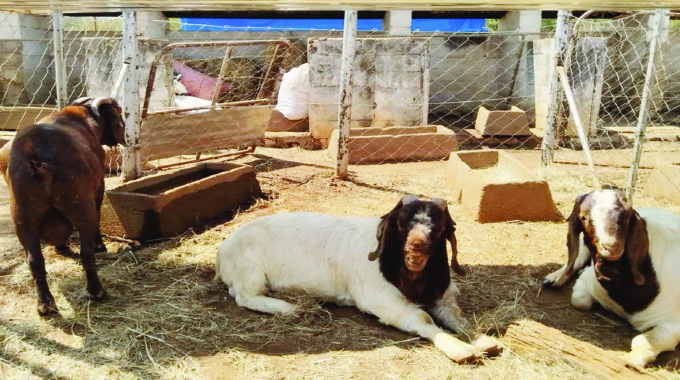
Ms Sibanda said her journey began in 2015 with just a few indigenous goats before she imported Boer breeds from South Africa. Today, her herd includes Boer, Kalahari, Matabele and Savannah goats.
“We started with a few local breeds but realised the potential in improving genetics. That’s when we imported Boer goats.
Our Kalahari buck, Simba, for example, weighs 120kg and was sold for US$2 000.
“He has already sired 125 kids on our farm, with kids weighing around 6kg at birth and high chances of producing triplets or quadruplets,” she said.
Despite challenges such as drought and diseases like pulpy kidney and tick-borne infections, Ms Sibanda has persevered.
Her farm prioritises vaccinations and weekly dipping.
“Water and grazing are scarce during the dry season, so we buy supplementary feed. It’s tough, but farming is a business, and young women must see it as an opportunity for entrepreneurship and employment creation,” she said.
Her success is inspiring other young people, especially women, to venture into livestock farming.
“Gone are the days when agriculture was seen as a man’s job or simply for family consumption. Today, it is about empowerment and running viable enterprises,” said Ms Sibanda.
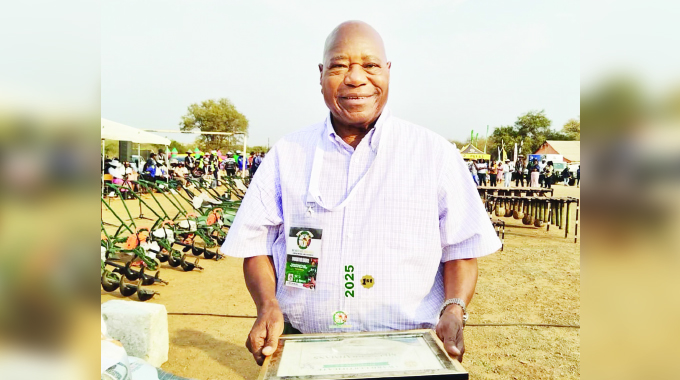
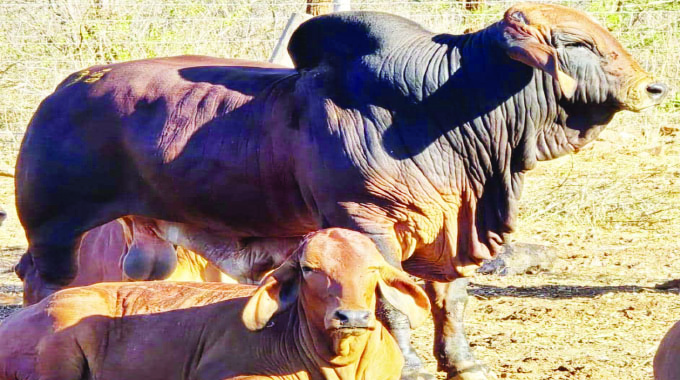
Another notable exhibitor was Mr Butter Nkolome of Gwanda, who won the large livestock category with a prized bull.
His farm manager, Mr Lingani Masuku, explained that they transitioned to commercial cattle breeding in 2019 after realising traditional breeds were not profitable.
“We sold 34 traditional cows, but the returns were low. So, we turned to breeding top-quality cattle. We purchased a Red Brahman bull at an auction in Harare for US$40 000, and it has significantly improved our herd,” he said.
However, Mr Masuku highlighted the challenges of limited grazing land and climate change.
“Our 60 hectares cannot sustain the herd, so we also rent grazing land and produce silage to keep the cattle fed. Droughts are particularly devastating,” he said.
Mr Masuku noted that last year, some farmers lost entire herds.
“For us, it was painful to keep buying truckloads of stock feed to protect a project worth nearly a million dollars from collapsing,” he said.
He urged farmers in the region to adopt climate-smart livestock practices.
“Breeding must now go hand-in-hand with climate adaptation. Quality breeds like Red Brahmans, which are drought-resistant, are in demand and can sustain farmers in harsh conditions,” said Mr Masuku.
The Matabeleland South Agricultural Show demonstrated that livestock farming in the region is evolving.