Online Reporter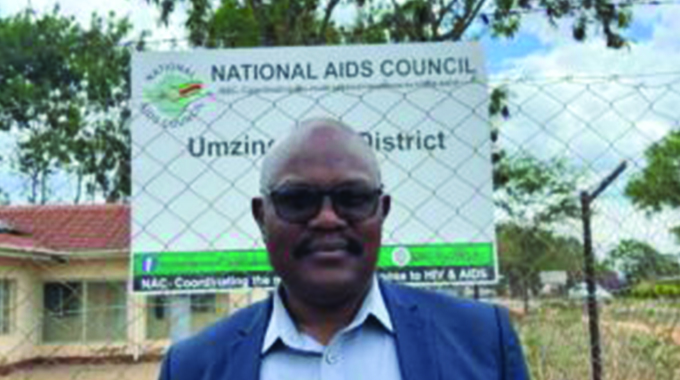
Robin Muchetu, Health and Gender Editor
MATABELELAND South Province has called for province-specific interventions to combat HIV and sexually transmitted infections, among other issues, as they state that their case differs from that of other provinces in the country.
According to the latest HIV estimates, the province has the highest HIV prevalence (total number of people living with HIV) at 15 percent. Compared with other provinces and the national rate, this is the highest in the country.
The incidence rate, which includes new infections, stands at 0,2 percent, while the number of people enrolled on antiretroviral therapy (ART) across the province is 98,4 percent.
The high HIV prevalence is largely due to the presence of ports of entry, Beitbridge and Plumtree, which have led to spousal separation as couples cross borders to seek better fortunes.
This has, in turn, resulted in an increase in child-headed families, teenage pregnancies and an alarming rise in sex work in the border towns of Plumtree and Beitbridge.
According to the 2022 National Census, Matabeleland South has the smallest population among the provinces, totalling approximately 760 000 people, including men, women and children, of whom about 93 000 are living with HIV.
The National Aids Council provincial manager, Mr Mgcini Sibanda, provided an overview of the HIV situation in the province, which is privileged to host this year’s World Aids Day (WAD) celebrations, scheduled for Mzingwane High School in Umzingwane District tomorrow.
“All the seven districts in the province have HIV prevalence rates significantly higher than the national average of 9,4 percent, indicating a substantial regional HIV burden. We need to intensify efforts to combat the spread of HIV. Bulilima District has a prevalence of 17,6 percent, Mangwe is at 16,8 percent and Umzingwane has the lowest prevalence,” he said.
Mr Sibanda emphasised that the consistent elevation of district-level prevalence above the national benchmark underscores the need for province-specific strategies.
“These strategies should address local transmission dynamics, healthcare access barriers and social determinants. Our approach must be tailored to the peculiar circumstances of our province,” he said.
He also highlighted new HIV cases, noting that in Bulilima District, the incidence among females is 0,38 percent and among males, 0,17 percent. Mangwe and Umzingwane have lower incidences, with 0,22 percent for females and 0,12 percent for males.
“The HIV incidence rates among females are generally higher than those among males across all districts, making targeted interventions for women particularly important. We will continue focusing on women, especially adolescent girls and young women (AGYW), who bear a disproportionate burden of HIV in Zimbabwe,” said Mr Sibanda.
The 15 to 39 age group is most affected, with HIV incidence peaking among those aged 15 to 19, particularly among females, followed by the 20 to 24 age group.
Mr Sibanda noted that the 25 to 34 age group shows a slight increase in new male HIV infections. In the 30 to 34 age bracket, incidence rates begin to level off and are lower among older populations. In children aged zero to four years, new infections are very low, with a slight male dominance.
He further proposed that HIV prevention efforts should particularly focus on adolescents, especially AGYW, who are most affected.
Another factor contributing to the rise in HIV prevalence and incidence in Matabeleland South is key and vulnerable populations.
“Women’s HIV incidence rates consistently exceed men’s by about four times. Key populations include female sex workers and AGYW, who, in the 15 to 19 age group, are in a very vulnerable situation— some are involved in sex work. This ongoing vulnerability underscores the urgent need for gender-targeted interventions,” he lamented.
The Provincial Manager highlighted that young women aged 15 to 24 bear a disproportionate burden of HIV. Data from NAC programs on AGYW reveal several interconnected social and economic factors contributing to their continued elevated HIV risk.
“One factor is cultural practices and traditional beliefs that support early marriages, creating vulnerabilities for AGYW. Data from various sources show that Beitbridge and Insiza Districts have the highest numbers of child marriages. Cultural norms often frame refusal to engage in sex as ‘unreasonable,’ undermining the age of consent. A UN Women study also found that many men perceive there is no expectation for women to refuse sex once in a relationship,” he explained.
The research indicated that men often have sex with underage girls, disregarding their right to refuse sex if they are underage or do not wish to have sex.
He noted that this situation limits women’s negotiating power in relationships, especially since some young women depend on male partners who work, sometimes as artisanal miners for resources, often feeling compelled to have sex to meet their needs, increasing their risk of HIV infection.
Another challenge highlighted by NAC is migration.
“Early pregnancies often lead to poorly equipped migrations to South Africa and Botswana, where AGYW face increased exposure to HIV through sex work. Many young women cross into neighbouring countries without proper documentation or educational qualifications, making it difficult to secure meaningful employment. This dependence on males for support and survival often leads to engagement in sex work,” Mr Sibanda said.
He emphasised that addressing these interconnected drivers of HIV requires a multi-sectoral strategy.
“We already have a multi-sectoral HIV response strategy, but it must now be complemented with deliberate economic empowerment initiatives to improve the economic status of women and girls. Gender-transformative education is also crucial. We have launched the ‘Not in My Village’ campaign, engaging traditional leaders such as Chiefs, headmen and village heads to change harmful practices and behaviours perpetrated by men within their communities,” he said.
The provincial manager also stressed the importance of social support for young women at risk. He said NAC has partnered with various government ministries to provide services for the most at-risk populations and will continue engaging with these ministries to empower young women and girls and to change harmful norms and practices.
Stigma and discrimination remain significant challenges in Matabeleland South, according to Mr Sibanda. —@NyembeziMu