

 Chronicle Editor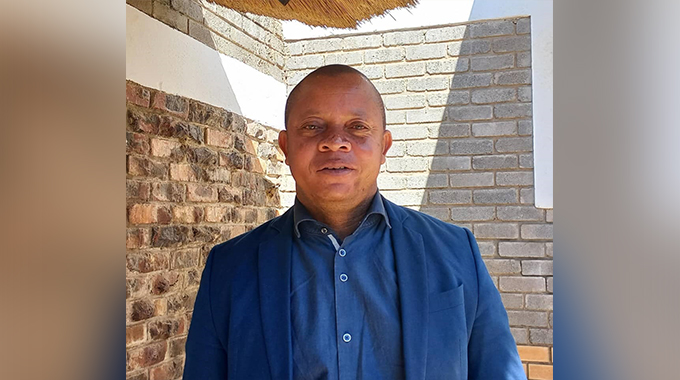
Sukulwenkosi Dube-Matutu, [email protected]
LOCAL authorities in Matabeleland South have embarked on a district profiling and needs analysis exercise to help detect levels of development in all wards and to identify development priorities.
Under the exercise, local authorities record development projects in each ward and their status.
This will help identify areas lagging in development. Under the profiling process, districts are expected to record endowments found in each ward and how they are being utilised. They also engage stakeholders in different wards for a needs analysis.
Matabeleland South Provincial Director Local Government Services, ministry of local government , Mr Zachariah Jusah, said local authorities will conduct the process annually to remain abreast of development priorities and demands.
He said this is crucial in ensuring the province moves its people to an upper-middle-income society under Vision 2030.

“When we are developing our districts or areas, we need to appreciate existing capacities and endowments in those particular areas. My office wrote to local authorities giving a directive that they come up with district profiles and a needs assessment through their Rural Districts Development Committees (Rdistrict profiling and needs analysisDDC’s),” said Mr Jusah.
“As they will be profiling, they will be looking at the deficiencies and endowments in each ward compared to other wards. They will be looking across sectors such as the number of schools in each ward, number of health facilities, access to water, number of livestock, number of dip tanks, irrigation schemes and dams, among other resources. As this is done, we will be able to identify wards that are lacking in different areas of development so they can reach the desired threshold,” he said.
Mr Jusah said local authorities will identify existing gaps in their districts that remain a hindrance in the realisation of Vision 2030.
He said the needs analysis will allow communities to select their areas of priority among the gaps, which they would have identified. Mr Jusah said the Call to Action requires local authorities to engage their clients and other stakeholders for service delivery to be enhanced.
He said under the needs analysis, various stakeholders will be engaged, including community members, youths, women, persons with disability, traditional leaders, community leaders and various structures at the ward and village level.
“These projects will be expected to be implemented within a stipulated time frame. RDDC structures will also be expected to monitor implementation of the projects to assess progress made and whether these development initiatives are bringing the desired outcome. This process will help to identify adjustments and changes that may need to be made,” said Mr Jusah.
The approach is expected to help ensure that development initiatives are evenly spread out across all wards. It will also help to ensure that development initiatives are tailor-made for each area according to the endowments and aspirations of each community, which is a shift from a uniform development approach. — @DubeMatutu


 Online Reporter
 Bongani Ndlovu