Bongani Ndlovu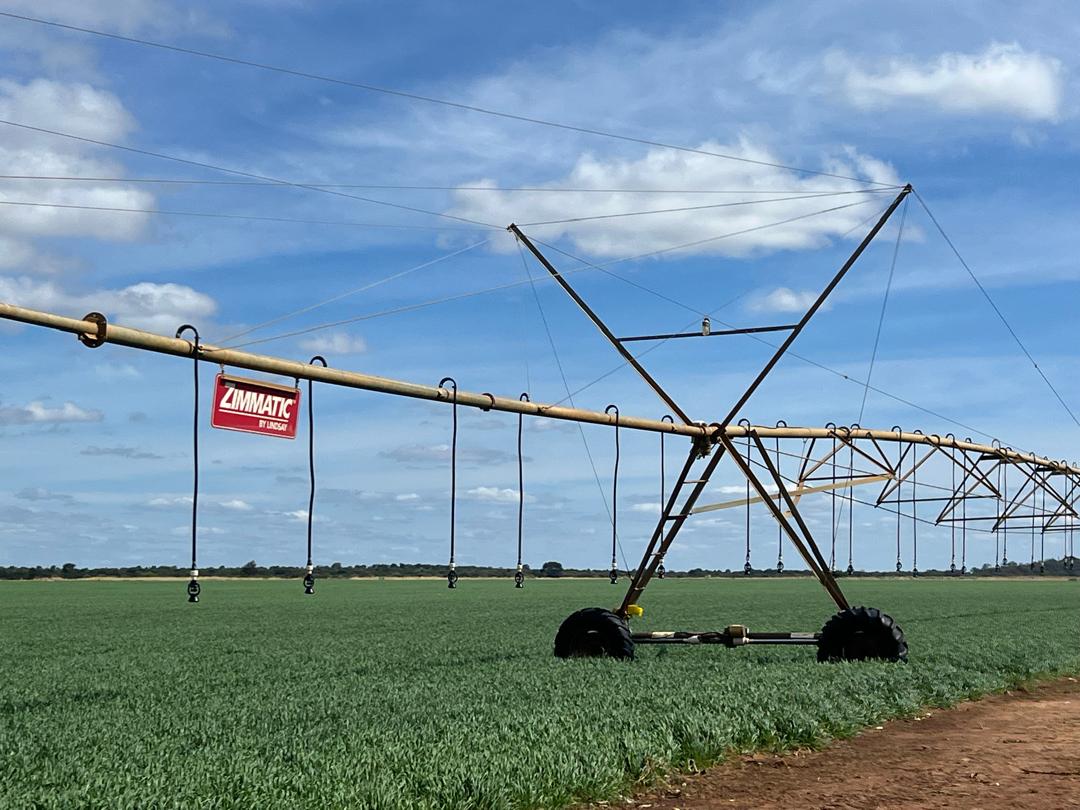
Sukulwenkosi Dube-Matutu, [email protected]
MATABELELAND South has surpassed its 2026 winter wheat production target after planting 4 602 hectares against a target of 4 500 hectares, marking another milestone in the province’s steady agricultural growth trajectory.
The province has continued to record consistent increases in wheat output over recent years, with 3 648 hectares planted in 2025, up from 3 005 hectares in 2024, and 2 554 hectares in 2023.
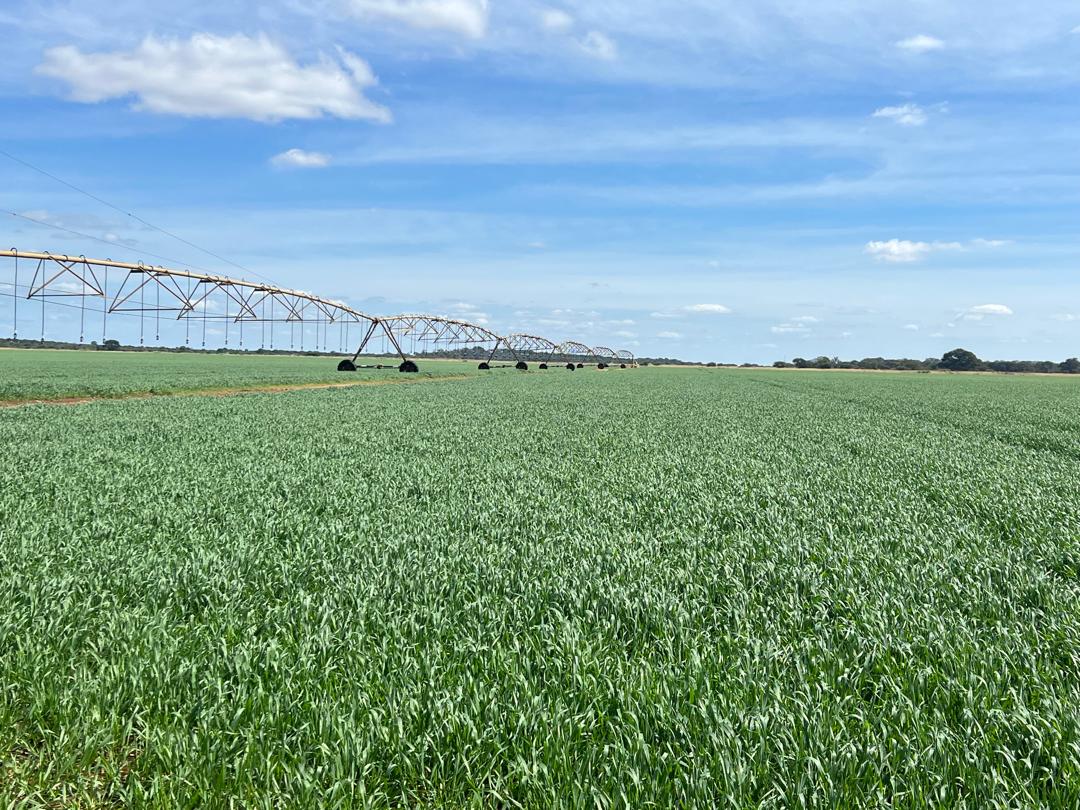
Key contributors to the achievement include ARDA Ngwizi and ARDA Antelope, alongside several irrigation schemes across the province that have been rehabilitated under development and climate resilience programmes.
Among these is the Green Climate Fund-supported rehabilitation of Midlo and Masholomoshe Irrigation Schemes, which have significantly boosted production capacity in recent seasons.
Wheat production has increasingly become a cornerstone of Zimbabwe’s agricultural sector, playing a dual role in strengthening food security and supporting economic growth through reduced import dependence.
As the country’s second most important cereal crop after maize, wheat remains central to efforts to bridge the gap between domestic demand and supply, while also stimulating agro-industrial development.
Nationally, farmers have this year planted a record 126 394 hectares of wheat, surpassing the national target by about 6 000 hectares. The development is expected to yield more than 662 500 tonnes, potentially improving national reserves and stabilising supply.
The anticipated bumper harvest is also expected to reduce Zimbabwe’s wheat import bill, strengthen foreign currency retention, and cushion consumers against price volatility amid global economic uncertainties.
Zimbabwe produced a record 640 195 tonnes of wheat last year, and authorities say the focus is now shifting from expanding hectarage to improving yields through enhanced agronomic practices.
Government says achieving wheat self-sufficiency remains a key milestone in the country’s broader agricultural transformation agenda, reversing years of heavy reliance on imports to meet domestic demand.
The continued expansion in wheat production is also expected to strengthen food security ahead of potential climatic shocks projected for the 2026/2027 summer cropping season.



 Online Reporter