shloboe boe
Sukulwenkosi Dube-Matutu, [email protected]
MATABELELAND South has taken a major step towards implementing the Presidential Rural Solarisation Programme, with sensitisation meetings currently underway in all seven districts of the province.
Following these meetings, each district will develop a roll-out plan, outlining how beneficiaries will be identified and how the project will be implemented.
The Presidential Solarisation Project is a key initiative under the Second Republic’s Rural Development 8.0 Strategy, aimed at improving rural livelihoods, enhancing agricultural productivity, and boosting food security. Under this programme, every rural household will be equipped with a solar power system, ensuring access to clean energy for domestic use and economic activities.
Beyond household electrification, the project will also facilitate solar-powered water systems for piped water supply, nutrition gardens to improve food security and nutrition, livestock watering points, and support for rural industrialisation through reliable energy access.
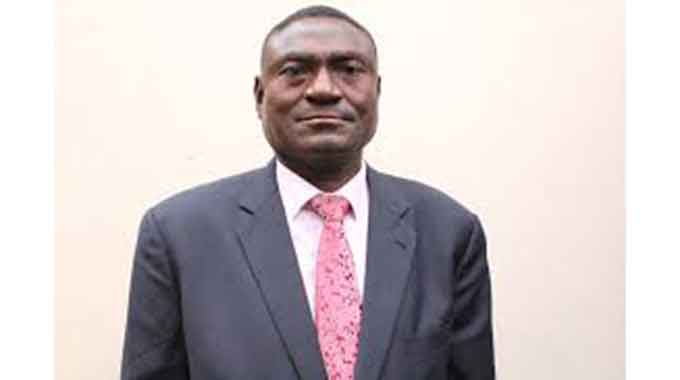
Speaking at a project inception meeting in Gwanda on Monday, Rural Infrastructure Development Agency (RIDA) Matabeleland South Provincial Director, Mr Likhwalethu Ndlovu, said the sensitisation process will ensure smooth implementation across the province.
“A total of 150,000 households in Matabeleland South will benefit from this initiative. Beneficiaries will include veterans of the liberation struggle, traditional leaders, people with disabilities, child-headed families, and other vulnerable groups before extending to the rest of the community,” said Mr Ndlovu.
The province has set an ambitious target of March 28 by which the project must have been launched in at least one village per district, with 10 households per village installed with solar systems.
“We are conducting inception meetings across all districts to brief stakeholders. These stakeholders will then develop localised implementation strategies to ensure seamless execution of the programme,” said Mr Ndlovu.
Speaking recently at a post-Cabinet media briefing, Minister of Information, Publicity and Broadcasting Services, Dr Jenfan Muswere, reaffirmed the Government’s commitment to providing solar power to at least 200,000 households annually over the next five years.
The Rural Infrastructure Development Agency (RIDA) will oversee implementation through an Inter-Ministerial Steering Committee comprising experts from local universities and technical agencies.
Other key stakeholders involved in the programme include the Rural Electrification Agency (REA), the Zimbabwe Electricity Transmission and Distribution Company (ZETDC), and the Department of Public Works
“A two-phased training programme will be undertaken. The first phase shall be the training of trainers by a national team and the second phase shall be the training of installers by provincial teams drawn from technical staff,” he said.
The programme will be Government-funded, with stakeholders providing affordable but advanced solar technologies such as batteries, inverters, solar panels, and cables. The installed systems will power light bulbs, radios, televisions, phone chargers, laptops, small refrigerators, submersible pumps, and Wi-fi routers.
The country’s traditional power generation infrastructure has struggled to meet national electricity demand. While the Kariba and Hwange power plants are undergoing expansion, the Government is aggressively promoting renewable energy adoption to close the energy gap and improve energy security.
The National Renewable Energy Policy aims to achieve 1 100MW of renewable energy capacity by 2025, with the Presidential Solarisation Project playing a key role in achieving this target.
The initiative is also aligned with global sustainable development goals (SDGs), particularly SDG 7 which is on affordable and clean Energy, and SDG 13 on climate action.
By bringing reliable, clean, and sustainable energy to rural communities, the project is expected to boost productivity, improve livelihoods, and create employment opportunities, which are key pillars in achieving Vision 2030.–@DubeMatutu


 Online Reporter