Sukulwenkosi Dube-Matutu. [email protected]
MATABELELAND South has intensified grassroots preparedness for the anticipated Super El Niño, with Government escalating community mobilisation, agricultural support and civil protection measures to cushion households against drought and other climate-related hazards.
The interventions include expanding and mechanising village business units, strengthening farmers’ capacity, improving access to weather information and activating civil protection committees from village level.
The measures are aimed at helping communities prepare for possible water shortages, poor agricultural output and livestock losses, while ensuring they can also respond to other weather-related emergencies.
The preparations come as stakeholders in the province contribute to the development of Zimbabwe’s National Climate and Health Vulnerability and Adaptation Assessment and National Health Promotion Strategy.
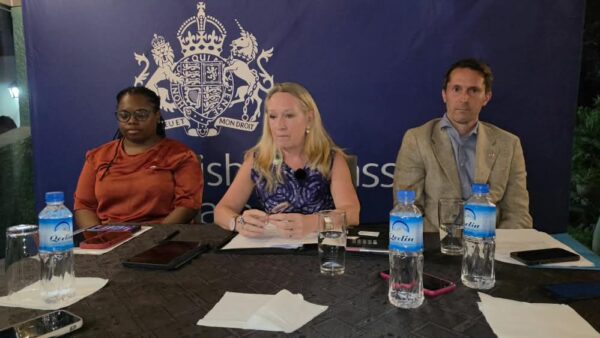
The two-day multisectoral consultative workshop brought together Government ministries and departments, local authorities, development partners, research institutions and civil society organisations.
Participants are identifying climate-related health risks, assessing vulnerable populations and examining the capacity of existing systems to respond to the effects of climate change.
CeSHHAR assistant social scientist, Mr Leslie Nyoni, who is a member of the Zimbabwe Intersectoral Coordination Cluster on Climate, Environment and Health, said the consultations would help identify practical interventions to strengthen climate resilience and health promotion.
“The scope of the workshop is to confirm the five climate exposures and the scope of the vulnerability and adaptation assessment. Five climate exposures were identified early this year, namely drought and erratic rainfall, rising temperatures and heat waves, floods, tropical cyclones and storms, lightning, hail and fires,” he said.
“We also want to identify the people who are at risk and the different vulnerable groups based on our day-to-day work. We also want to explore adaptation mechanisms that have been put in place and identify existing gaps.”
Mr Nyoni said the assessment would examine how different climate hazards affect people’s health, weaken service delivery and place pressure on public systems.
It will also assess the ability of the health sector to respond to current and future risks and identify priority adaptation measures.
The process will inform risk communication, policy development and monitoring, while helping ensure that the proposed national framework reflects the needs and capacities of different sectors.
The assessment will include secondary data analysis, district engagements, health facility assessments, community and household surveys, case studies, key informant interviews, mapping and a national validation workshop.
The consultations follow the unveiling of the National Health Plan in Harare in April, which seeks to integrate health considerations into climate change planning.
Matabeleland South Director of Local Government, Mrs Gloria Murera Raundi, said the workshop would complement measures already being implemented to strengthen community resilience.
“We have already activated civil protection committees from village level and we have rolled out our sensitisation meetings across districts through a multi-stakeholder approach. We are sensitising communities on what to plant and how to preserve the little water that is there.
“As CPU, we are working with Agritex, the Meteorological Department, the Ministry of Women Affairs, among others,” she said.
Mrs Murera Raundi, who also chairs the provincial Civil Protection Committee, said communities were also being educated on safety precautions in the event of heavy rains, including avoiding crossing flooded rivers.
Agricultural and Rural Development Advisory Services provincial director for Matabeleland South Ms Shupikai Sibanda, said the province’s location in natural regions IV and V made it predominantly vulnerable to drought.
She said women and children under the age of five had been identified among groups likely to be worst affected by climate-related shocks.
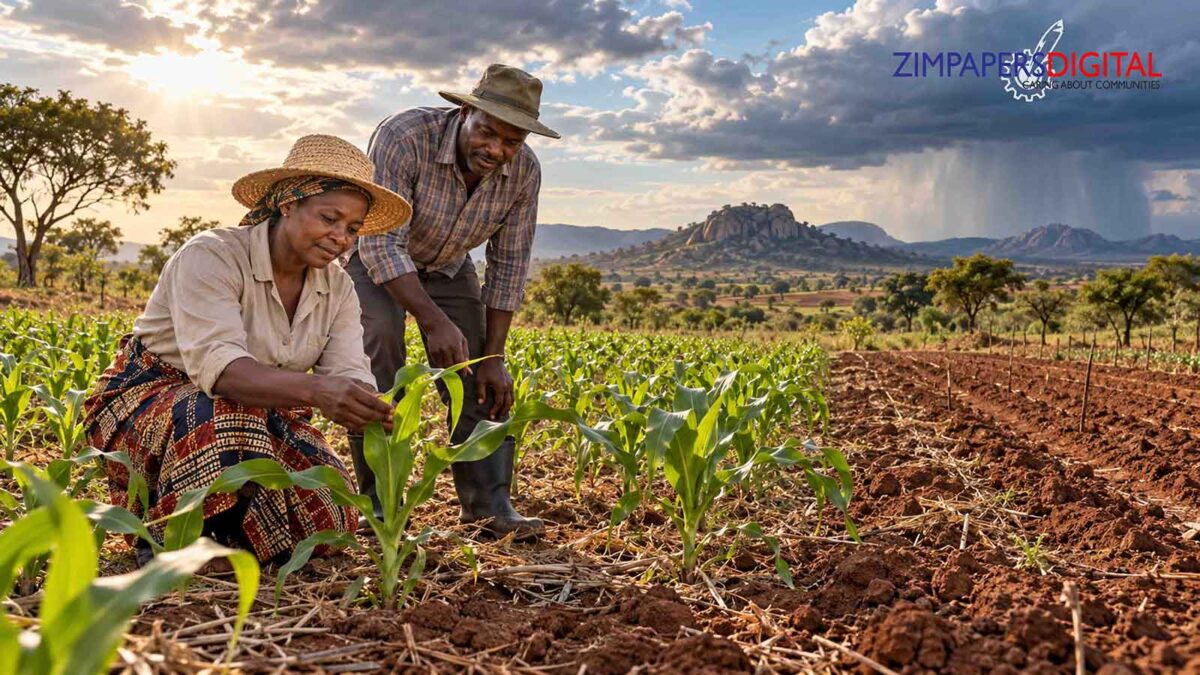
Ms Sibanda said Government was strengthening food production and rural livelihoods through the establishment of village business units, which were now present in almost every village.
The units were also being mechanised to improve their capacity to support agricultural production and community resilience.
Ends