Thupeyo Muleya in Beitbridge
MATABELELAND South farmers have been urged to build livestock feed reserves, secure reliable water supplies and strengthen disease control measures ahead of an anticipated El Niño-induced drought, as Government steps up efforts to safeguard the province’s livestock-based rural economy.
The preparations include hay baling, silage making and planting drought-resilient fodder crops such as Napier grass, lucerne and Juncao grass to ensure farmers have alternative feed supplies when natural pastures deteriorate.
The call was made during a recent training programme in Beitbridge District, where Government extension officers, veterinary experts and private animal health companies equipped smallholder livestock farmers with practical skills to minimise the impact of the anticipated dry spell.
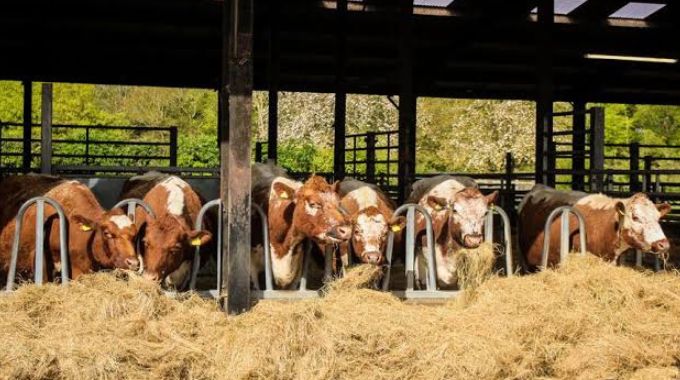
Matabeleland South’s rural economy relies heavily on cattle, goats and sheep, which provide households with food, income, draught power and a store of wealth. Beitbridge District livestock officer Ms Cecelia Chakanyuka said farmers needed to use the remaining period before the anticipated drought to establish feed reserves and strengthen animal health management.
“We are educating farmers on how to manage and save livestock. Are animals getting a balanced diet? Are they getting enough water? Are they getting enough vaccines?” she said.
“We have educated them (farmers) about hay baling, silage making and stocking food for livestock as we approach the drought.”
Ms Chakanyuka urged farmers to take advantage of the available time to establish fodder crops and improve livestock management practices.
“They need to plant Napier grass and lucerne and we will teach them how to make silage and they should dip animals regularly to control diseases, considering that most diseases come through tick infestation.
“They need to have water sources close to the home,” she said.
She also encouraged farmers with irrigation facilities to use them to grow fodder, revealing that 43 farmers had so far been engaged in Juncao grass seed multiplication.
Juncao is a fast-growing forage grass that can provide an alternative source of livestock feed when natural grazing becomes inadequate.
Dr Joseph Kanonda, a veterinarian with Five Red Animal Health, said the anticipated drought could expose livestock to a combination of deteriorating pastures, water shortages and increased animal health risks.
He said the organisation was working with farmers to improve livestock nutrition and strengthen disease prevention through appropriate dipping, deworming and vaccination programmes.
“So here we are in Beitbridge. We are currently training farmers on ways that they can try and prepare for this anticipated El Niño-induced drought,” said Dr Kanonda.
He urged farmers to adopt preventive animal health measures and consider appropriate nutritional supplements to maintain the body condition of their livestock.
Farmers who attended the training said the lessons had broadened their understanding of livestock management and equipped them with knowledge they could share with other communities.
Ms Christabel Ndlovu, an irrigation farmer, said the programme had enhanced her understanding of cattle and goat production, particularly feeding and vaccination.
“I am interested in saving my livestock. I am an irrigation farmer. I have learnt a lot about goat farming and cattle, vaccination and feeding. I will share with other villages,” she said.
Mrs Netsai Baloyi welcomed the collaboration between Government and its partners, saying the training had equipped farmers, particularly women, with practical knowledge to protect their livestock.
“I am happy with such support from the Government and its partners. We always take things casually, but now we have been empowered with knowledge to save our livestock, especially for us as women,” she said.
Mr Vhudzwani Mabule, from Ward 13 in Beitbridge East, said the training had highlighted the importance of proper animal health management, including the correct use of veterinary medicines and regular monitoring of livestock.
He urged farmers to make greater use of agricultural extension services to improve their livestock management practices.
Ward 13 Councillor Alfred Chibi commended the Government for the initiative, saying livestock production remained a vital source of livelihoods and economic activity in the area.
Ends