Online Reporter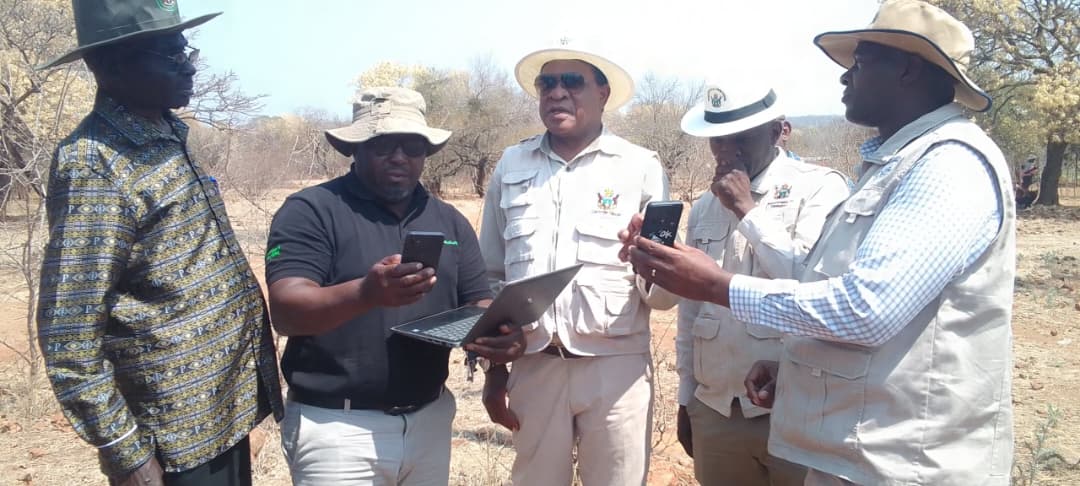
Sikhumbuzo Moyo, Senior Reporter
CONTRARY to public perception, Matabeleland South province will be the biggest beneficiary of the Lake Gwayi-Shangani project upon it’s completion, a Cabinet Minister has said.
Lands, Agriculture, Fisheries, Water and Rural Development Minister, Dr Anxious Masuka, speaking at the Epping pump station during a tour of the Nyamandlovu aquifer to witness the target hardening systems employed by the Zimbabwe National Water Authority (Zinwa) and the Zimbabwe Electricity Transmission Distribution Company on Friday, said once construction of the dam, which is at 72,5 percent is complete as well as the 252km pipeline, Bulawayo won’t need to rely on water from it’s Matabeleland South based supply dams.
“All the water supply for Bulawayo other than the Nyamandlovu aquifer comes from Matabeleland South and that deprives the province of any meaningful irrigation,” said Dr Masuka.
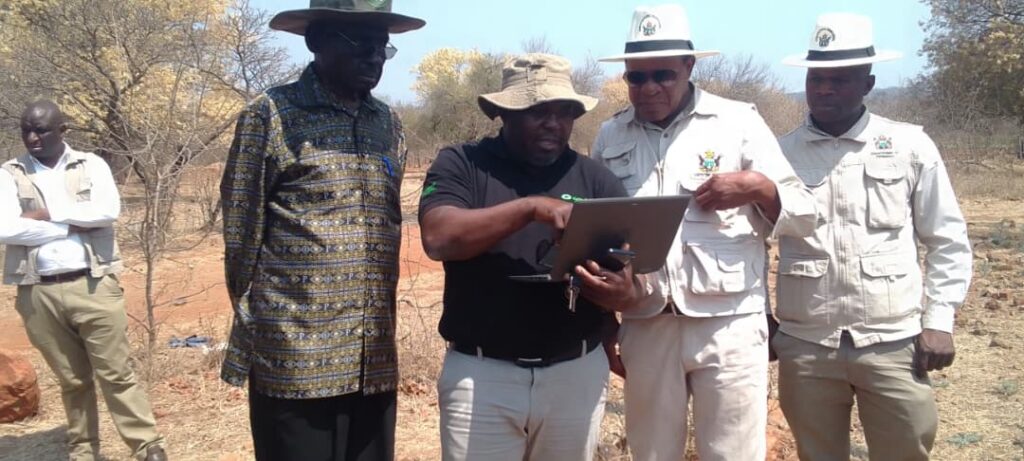
He said once the Gwayi-Shangani project is complete, Matabeleland South will be able to utilise water from the five dams for irrigation and other developmental projects.
“This is why we are saying Matabeleland South will be the biggest beneficiary as a result of completion of the Gwayi-Shangani project. They too will be able to establish a green belt,” said Dr Masuka, who was accompanied by the Deputy Minister of Defence Retired Brigadier Levy Mayihlome.
The Gwayi-Shangani project has entered an intensive new phase with contractors initiating round-the-clock operations following a crucial release of Government funding.
Zinwa, the lead agency for the initiative, confirmed that a 24-hour work schedule to accelerate completion of the multi-purpose dam, a cornerstone of the broader National Matabeleland Zambezi Water Project (NMZWP), has commenced.
Treasury has already released US$5 million towards the dam’s construction and has committed to disbursing the same amount monthly until the project is finished. This consistent funding ensures uninterrupted progress.
Once completed, Lake Gwayi-Shangani, located in Hwange District, will be Zimbabwe’s third-largest inland water body, after Tugwi-Mukosi and Lake Mutirikwi, both found in Masvingo.
The project, which had previously faced delays due to financial constraints, is poised to deliver a reliable water supply to Bulawayo. Beyond that, it will also support irrigation and hydroelectric power generation, significantly boosting regional development.