


 Chronicle Editor
Rutendo Nyeve, Features Reporter
The people of Matabeleland have plenty of reason to celebrate following the commissioning of Ntepe-Manama Community Radio station in Gwanda District, Matabeleland South province last Friday.
This milestone comes at a time when the Second Republic has made significant strides in ensuring no community is left behind in issues of sustainable development.
In line with the devolution policy, community radio stations give a voice to local people, expedite information dissemination and uphold creative growth and democracy at the community level. The devolution policy is anchored on values and principles that guarantee equitable sharing of local and national resources including enhancing participation of local communities in decision making processes.

Seven of the 14 community radio stations that were licensed are based in Matabeleland with communications and linguistics experts describing the development as an empowering and life changing one.
Community radio is for the people, run by the people and owned by the people. It mainly serves a definite community and is a form of public service. It reflects the culture, ideology and thoughts, norms and values of a particular community.
With radio being the most accessible mass medium of communication in use, community radio is a crucial communication tool that is easy to run and maintain.
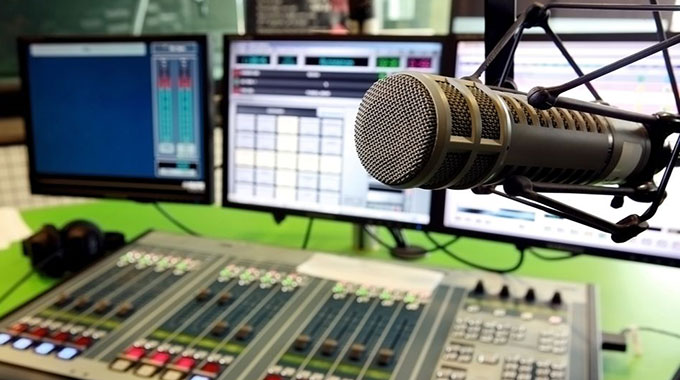
Community radios help to ensure people’s right to information and community participation by expressing the voice and thoughts of grassroots people in the development process, and communities in Gwanda South have been given this right.
The community radio stations are expected to benefit the disadvantaged and vulnerable groups of the country by raising their voice, highlighting their problems, expressing their modern updated ideas and thinking for the development of the whole nation.
Community radio can deliver unique benefits in the way that health and social care services are delivered.
However, the key driver towards achieving all these prospects through community radio, is using the local languages.
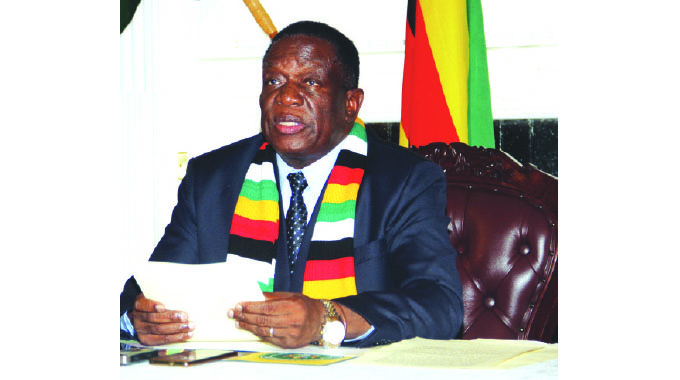
Addressing journalists in Bulawayo recently, Minister of Information, Publicity and Broadcasting Services said the launch of Ntepe-Manama Community Radio station is in line with President Mnangagwa’s mantra of not leaving anyone behind adding that it will help communities to do programmes in their own languages.
“As the Ministry of Information, Publicity and Broadcasting Services, one of our mandates is to make sure we educate, entertain and inform. When we talk about this mandate, we mean we should be able to educate, entertain and inform everyone from cell, village and all the way to the provinces. As a ministry, we are doing all this in line with the President’s mantra that we should not leave anyone behind.
“We have licensed 14 community radio stations and we’re now going round to see the progress being made. The launch of Ntepe-Manama Community Radio station is an opportunity that we’re giving to the people of Matabeleland South province to be able to have programmes in their own language. We’re doing this to promote all official languages; there’s no language which is more important than the other. We, under the stewardship of President Mnangagwa, want everyone on board, everyone matters,” said Minister Mutsvangwa.
In a quest to understand what this development means to the people of Ntepe, Manama, Gwanda South and the entire Matabeleland region, Sunday News caught up with communication, media and linguistic experts who gave insights on this development.
Dean in the Faculty of Humanities who is also a senior lecturer in the Department of Languages at Lupane State University, Dr Nozizwe Dhlamini said the Ntepe-Manama Community radio will address the various socio-economic and political issues with the key lying with content production or programming.
“It means empowerment to the Ntepe-Manama Community, where the locals will use the radio to exchange information, network among themselves and to speak directly to issues that affect them as a community. For its proximate location to its clients, a community radio serves a local community of its interest. It means access to the community in terms of ownership, decision making and programme output. They’ll produce their own content with focus on local concerns and issues. Unlike in the case of the mainstream media, rather than merely talking about the community, the people themselves make the programmes. This will strengthen the local culture with the recognition that this is their station, it becomes a forum for a wide diversity of local opinions and views. It gives them the opportunity to tell their own stories, to share their experiences and they become active creators and contributors of media,” said Dr Dhlamini.

Radio broadcasts provide real-time information, and some of them that broadcast 24 hours a day, can provide the most recent updates to listeners. Radio has the ability to reach across borders and can become a valuable source of information where reliable news is scarce. Ntepe-Manama Community Radio comes at a time when the communities around the country seek space and opportunities to revive their traditions, norms, values, and more specific languages. In this view, SeSotho as the language of identity in the area has a better chance to be revived together with BaSotho. The revival of the language will invoke all other wisdoms enshrined within it for socio-economic development.
“For me, a community radio provides a set of participatory communication tools that support discussions around poverty, agriculture, gender inequality, education et cetera by using local languages to communicate directly with listeners. Development is a broad concept which should be understood as such and for rural communities any development initiative should be more concerned with enhancing the lives that people lead and the freedoms they enjoy. The community radio is one way of expanding those freedoms thereby leading to community programmes/initiatives which will lead to better conditions for the community,” observes Dr Dhlamini.
Meanwhile, linguistic expert who is also a senior lecturer at a local university Dr Mbulisi Ndlovu says the Government is walking the talk in its quest of not leaving anyone behind.

“The fact that 50 percent of the community radio licences that were given are to be based in Matabeleland demonstrates Government’s commitment to not leaving anyone behind. Communities in Matabeleland have been given an opportunity to air what they’re made of and what they do using this media platform. This therefore, means the region has been given tools to do their own agenda setting. These stations will serve as windows through which the rest of the country will see what’s happening in those communities.
“In terms of the development, the people of Ntepe will now have an effective form of communication among them. The radio will be a tool which will be used by development agencies such as Government to disseminate crucial information about development programmes and strategies to the concerned community. The station also offers a readily available and accessible platform for members of the community to publicise, showcase and demonstrate to others activities that take place within their community,” said Dr Ndlovu.
Other benefits that the stations will bring into their respective areas have to do with identification and exploitation of talent in their areas. There may be great broadcasters and performing artistes who emanate from the areas but would have failed to make their way into the main broadcasting houses across the country.
Matabeleland South has Radio BuKalanga in Bulilima, Matobo Community Radio Trust trading as Bayethe Community Radio in Maphisa and Mangwe Brunapeg, Ntepe-Manama Community Radio Trust and Shashe Community Radio Broadcasting Association, which covers Beitbridge and Shashe.
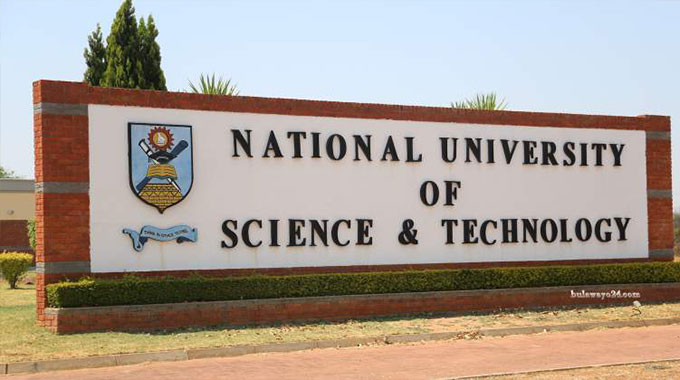
Matabeleland North has Twasumbuka Community Radio Trust (Binga, Kamativi Siabuwa); Mbembesi Development Trust, trading as Ingqanga FM; and Lyeja-Nyayi Development Trust that covers Hwange and Victoria Falls. The National University of Science and Technology (Nust) in Bulawayo and Lupane State University have also been given campus radio station licences, and the stations are already operational. – @nyeve14.



 Bongani Ndlovu
 Online Reporter