Chronicle Editor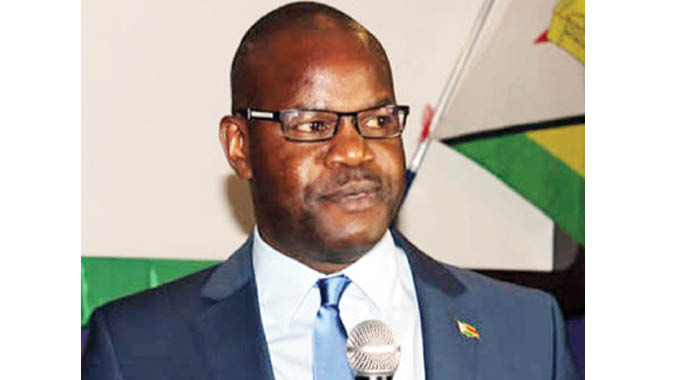
Nqobile Tshili, Chronicle Reporter
MATABELELAND region is arguably the biggest beneficiary of development projects being implemented by the Second Republic as President Mnangagwa is confronting the country’s regrettable past head on.
People in Matabeleland region have previously decried being marginalised as development projects were centralised in Harare among other regions.
But President Mnangagwa has on several occasions reaffirmed that under his leadership the country was doing away with the bambazonke hegemony where all national projects were handled from Harare.
Responding to Bulawayo journalists on issues to do with addressing marginalisation and Gukurahundi on Tuesday, Information, Publicity and Broadcasting Services Permanent Secretary Mr Nick Mangwana said Government is moving with international guidelines to promote an inclusive society.
He said it was not surprising that some of the country’s biggest projects are in Matabeleland region.
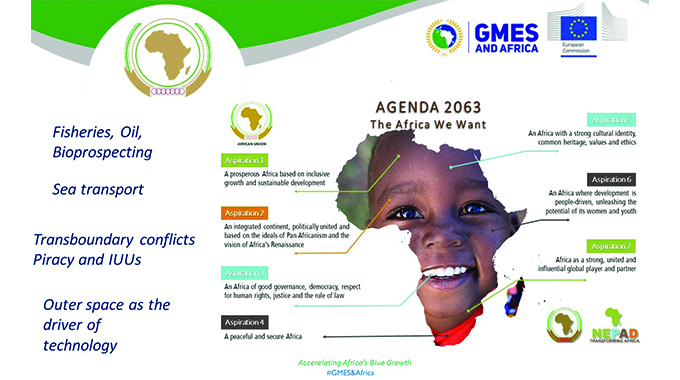
“Our mantra as Government is leave no one and no place behind and it coincides with the United Nations Development Programme’s mantra as well and the Agenda 2063 and the issues of Sustainable Development Goals. You must check what has been happening in the last four years. You would certainly agree with me that there has been a lot of development that has come to some previously marginalised places,” he said, “There is a lot that is happening in Binga which unfortunately lagged behind, some of the biggest national projects in this country are in Matabeleland North and Matabeleland South.
The President has been here several times to push the reviving of Bulawayo industries which also speak to addressing marginalisation issues.”
The construction of Gwayi-Shangani Dam is among one of the biggest national projects and feeds into the National Matabeleland Zambezi Water Project which upon completion will solve Bulawayo’s perennial water problems.
The century-old dream is expected to be completed before the end of this year while Government is augmenting power supplies through rehabilitating Hwange Power Station units 7 and 8.
In Matabeleland South, Government is modernising the Beitbridge Border Post while constructing Tuli-Manyange Dam which will contribute towards food security upon completion.
Mr Mangwana said eight of the 14 community radio stations that the Broadcasting Authority of Zimbabwe licensed are located in Matabeleland region.
“When it comes to our own ministry most of the community radio stations that were licensed are in Matabeleland. I believe issues of marginalisation are directly confronted in an inclusive approach,” said Mr Mangwana.
He said President Mnangagwa has not shied away from addressing the emotive Gukurahundi matter.
“You spoke of the issues of Gukurahundi, the President again for the first time in our long national history as a nation has directly confronted and is transparently addressing the issue.
Where people could not even openly speak about Gukurahundi he has encouraged them to do so. He went further and engaged the communities that were affected by that conflict,” he said.
Mr Mangwana said already a roadmap led by chiefs has been established towards resolving the Gukurahundi conflict.
“The way forward was charted by all those chiefs and as we are speaking the chiefs and the communities that were affected and the civic society organisations, the issues they wanted to be directly dealt with are being dealt with.
Exhumations are being dealt with in line with the cultural norms of those communities, issues of birth certificates as well as issues of marginalisation that you spoke about. I believe that Government is doing all it can to be inclusive to all Zimbabweans,” said Mr Mangwana.
Chiefs have already established an inclusive panel that will lead the Gukurahundi hearings.
The Gukurahundi hearings are expected to come up with community centred resolutions to the conflict that affected Matabeleland and Midland provinces.
— @nqotshili



 Online Reporter