Online Reporter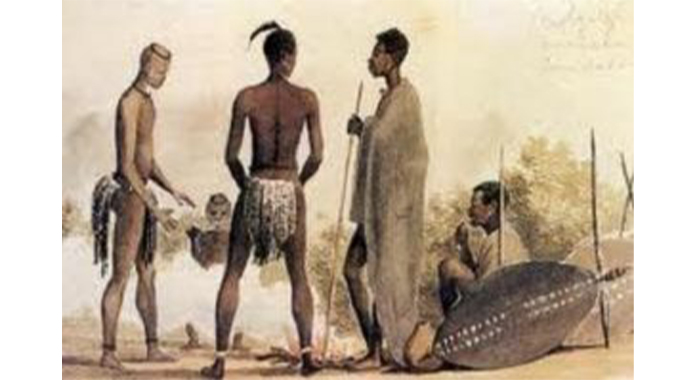
Stephen Mpofu, Perspective
AT long last, community leaders in Matobo, Matabeleland South Province, have flung open the Pandora’s Box on the erosion of Zimbabwean cultural values under the influence of Western norms. This cultural shift has contributed to pre-age-of-majority marriages that liken brides and bridegrooms to second-hand clothes — items the poor settle for when better options are out of reach.
A story published in this paper on Wednesday revealed that communities under Chief Fuyana in Matobo District have revived the traditional practices of amatshitshi (maidens) and amaguqa (virgin boys) to promote abstinence, dignity and responsible behaviour among young people. This initiative aims to curb rising cases of teenage pregnancies, HIV infections and child abuse — issues that have become alarmingly prevalent.
During their golden rule era in Zimbabwe and across Africa, Western imperialists pursued a deliberate agenda of cultural subjugation, stripping the ruled of their identity and reducing them to virtual zombies — docile and pliant for perpetual control. They understood that the values which made African husbands and wives strong and united posed a threat to colonial dominance. Undermining these values was essential to entrenching exploitation and resource plunder.
It is no surprise, then, that many marriages involving those below the age of majority today resemble unions between second-hand brides and second-hand bridegrooms — relationships that, like pre-worn clothes, rarely endure. This reality underscores the importance of what Gogo Esnat Nkomo and Mr Brian Ncube are doing as leaders of amatshitshi and amaguqa respectively.
Gogo Nkomo said that the girls meet weekly for mentorship sessions on behaviour, respect, cultural identity and what it means to be a maiden. At the end of their training, they will participate in the annual Amatshitshi Festival in Bulawayo. Mr Ncube added that the boys are taught abstinence, responsibility and the value of preserving their virginity so they grow into respectful, responsible men.
The efforts of these community leaders demonstrate that cultural recovery is possible when people take ownership of their values. They also show that discipline among young people does not stem from fear but from a clear understanding of who they are and what their future should look like. Many parents in both rural and urban areas have long lamented losing influence over their children. A grounded cultural programme like this helps unite families around shared expectations, reducing confusion among youths caught between tradition and fast-changing modern lifestyles.
However, this revival of cultural values must not remain confined to Matobo. Zimbabwean youths elsewhere have also been derailed, as evidenced by rising teenage pregnancies and the scourge of drug and substance abuse. For instance, do brides at or after the age of majority enter marriages regarded as prized catches for life by their partners — something that compels young girls to live a life of self-respect and care under family guidance? In some communities, elders still try to guide young people, but their voices are often drowned out by modern pressures. A structured programme that restores confidence in cultural identity helps young people understand that morals are not punishment but foundations for stable lives. This is why the Matobo initiative stands out as a model for others to follow.
There is also a growing need for families to work hand in hand with community leaders to strengthen these teachings. Today’s youths face mixed messages from media, peers and the wider world. A return to shared cultural mentorship gives them a compass that is steady and reliable — something many have been missing in their daily lives.
The cultural value revival must therefore spread beyond Matobo District to the entire country, much like the cookout initiative pioneered by the First Lady, Dr Auxillia Mnangagwa, which sought to restore dignity and respect among Zimbabwean women both at home and globally. If embraced nationwide, this movement could help Zimbabwe reclaim its cultural pride and fortify the moral fabric that binds families and communities together.