Online Reporter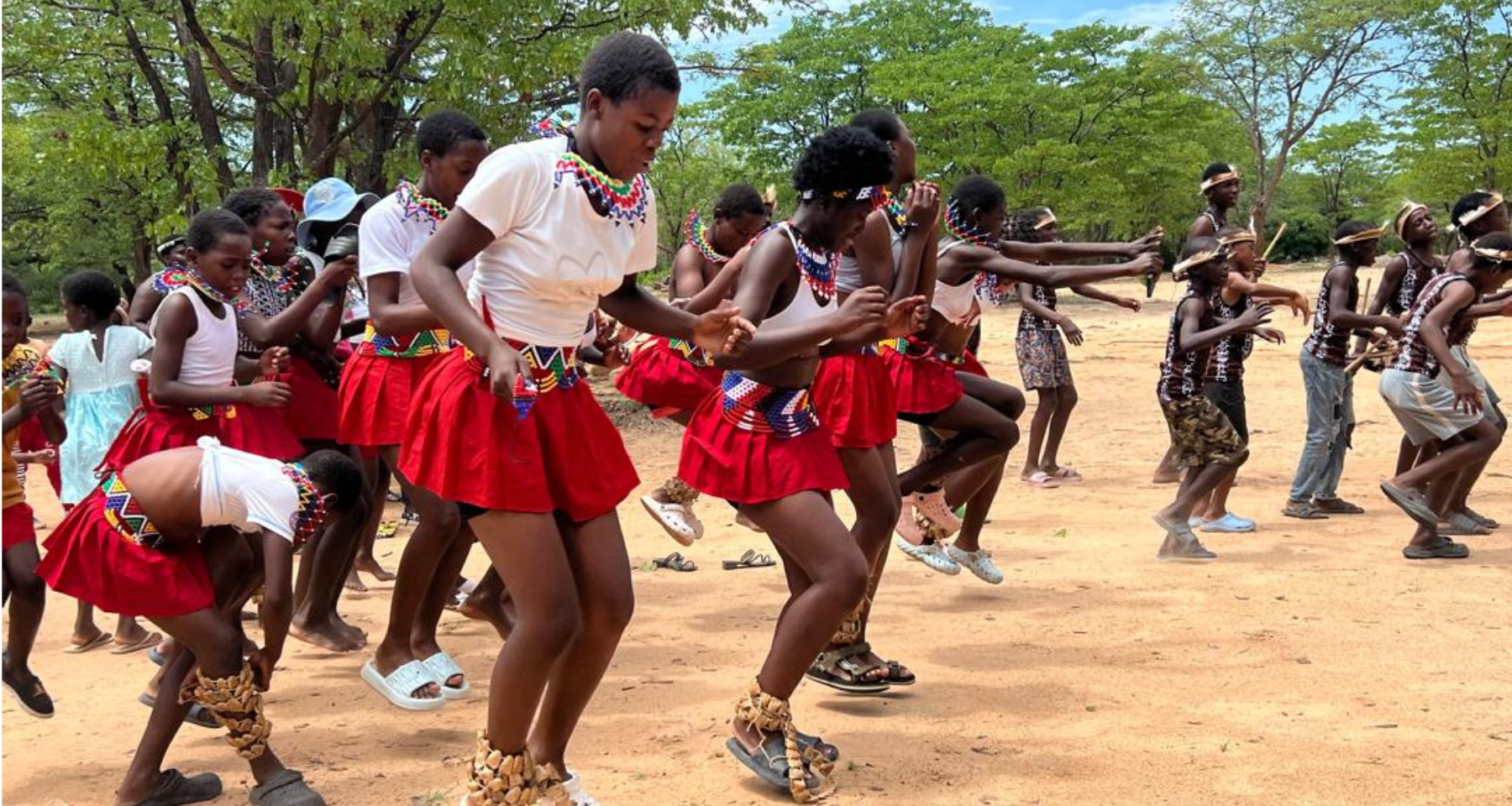
Sukulwenkosi Dube-Matutu, [email protected]
IN an effort to curb rising cases of teenage pregnancies, HIV infections and child abuse, communities under Chief Fuyana in Matobo District have revived the traditional practices of amatshitshi (maidens) and amaguqa (virgin boys) to promote abstinence, dignity and responsible behaviour, among young people.
The programme, recently launched in the Mabonyane area, targets girls and boys aged between four and 18. It is being implemented in partnership with the National Aids Council (NAC) under the “Not in My Village” campaign, which aims to protect adolescents from sexual exploitation and HIV.
Amatshitshi leader Gogo Esnat Nkomo said the initiative seeks to restore cultural values that once helped safeguard young people.
“We introduced this programme to reduce cases of girls engaging in sexual activity with boys, which fuels HIV transmission, teenage pregnancies and child marriages,” she said.
“Virginity used to be treasured in our communities, but with the influence of Western culture, it lost its value. We want to restore self-worth, dignity and cultural pride among our girls so that preserving virginity becomes a respected and attractive choice again.”
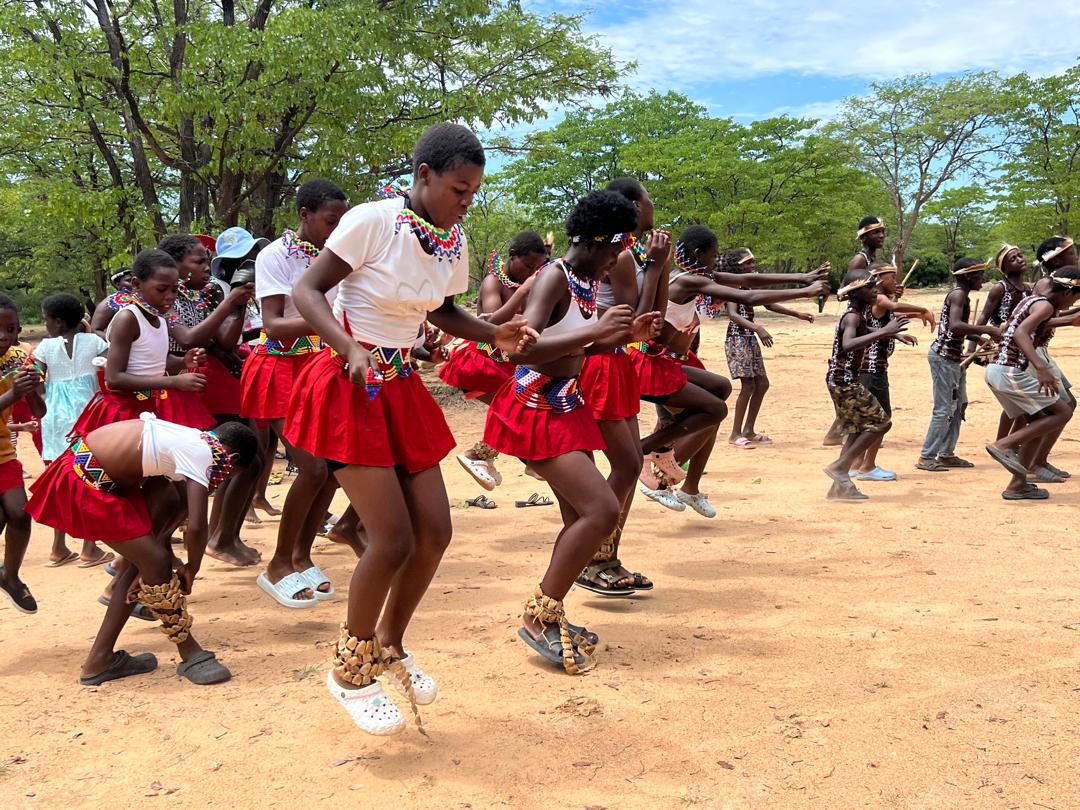
Gogo Nkomo said the girls meet weekly for mentorship sessions on behaviour, respect, cultural identity and what it means to be a maiden. At the end of the training, they will participate in the annual Amatshitshi Festival in Bulawayo.
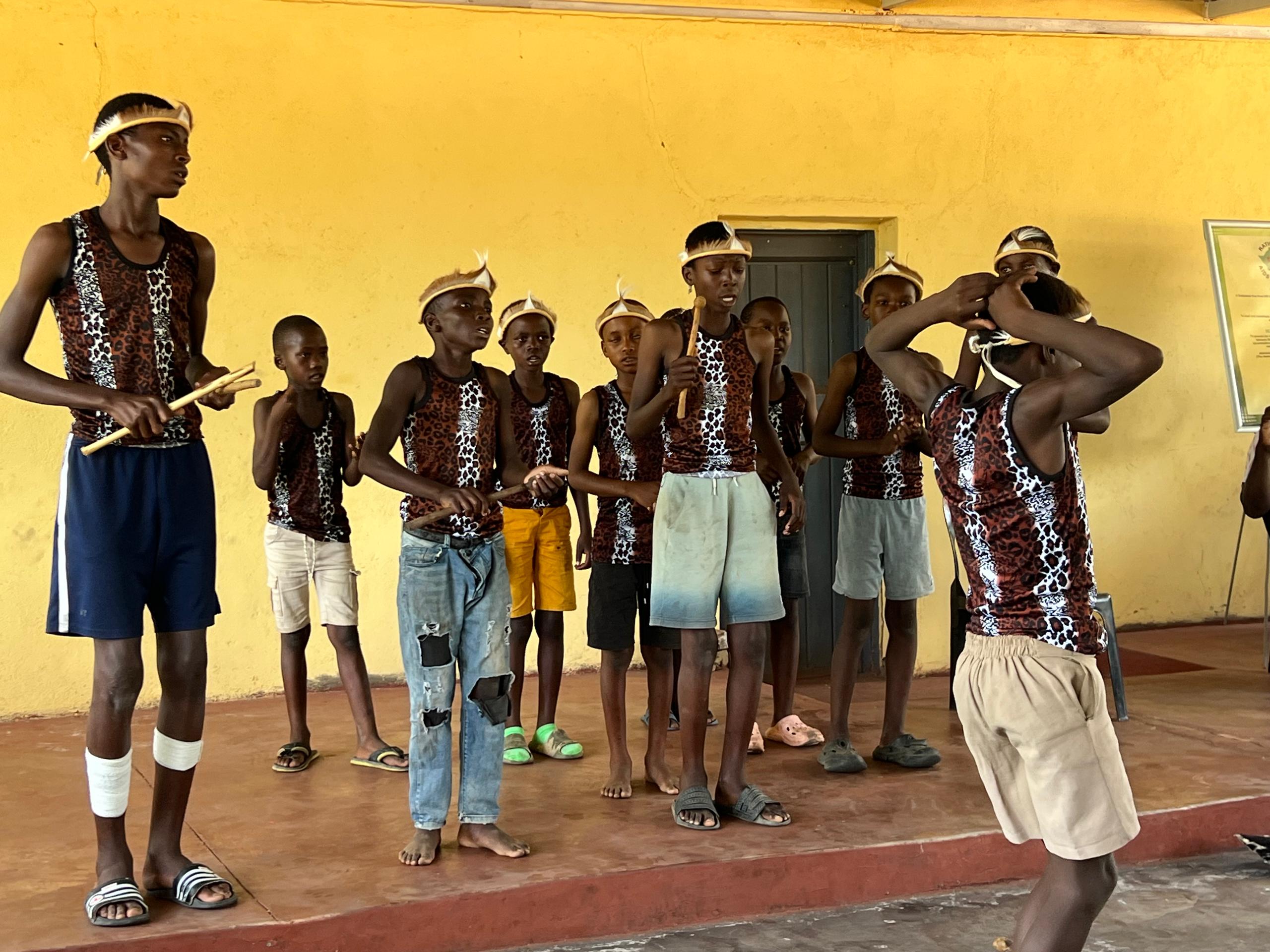
Mr Brian Ncube, who leads the amaguqa programme, said involving boys is critical for a holistic approach.
“We cannot address teenage pregnancies and child marriages if we leave out the boys, who are the ones who impregnate the girls. Boys also face sexual abuse from older women,” he said.
“If we don’t reach them early, they end up engaging in drugs and crime. We teach them abstinence, responsibility and preserving their virginity so they grow into respectful, responsible men.”
Matobo District Aids co-ordinator, Mr Lawrence Ncube, said the revival of cultural interventions complements HIV-prevention strategies, especially in areas exposed to high-risk activities.
“We have omalayitsha who pass through this area on their way to Botswana and South Africa, and some of them, as well as passengers, flock to business centres, exposing young girls to older men,” he said.
“We also have mines that attract job seekers from across the country, increasing vulnerability to HIV and STIs.”
Mr Ncube said social activities and sports tournaments during festive seasons also expose youths to risky behaviour, making interventions like amatshitshi and amaguqa essential.
Headman Makholisa Ncube said strengthening cultural and moral education is vital in addressing the root causes of early marriages and teenage pregnancies.
“We need to catch them young and instill the right values in both girls and boys. Young girls should be taught how to behave and dress decently to avoid exploitation, while boys must also be guided,” he said.
“If we mould our youngsters well, they will be productive citizens who contribute to national development.”
According to statistics from the Ministry of Health and Child Care, 8 900 adolescent girls and teenagers from eight districts in the country were reported pregnant last year after seeking antenatal care services, while over 6,800 delivered either at home or at health facilities and six died during delivery.
The worst-affected districts are Chipinge, Mutare, Goromonzi, Murehwa, Hurungwe, Chegutu, Beitbridge and Insiza.
Nine children below 10 years were reported pregnant in Chipinge, Mutare, Insiza and Chegutu Districts.
Teenage pregnancies and child marriages remain more prevalent in rural areas, particularly in resettlement communities, mining zones, border towns and areas dominated by certain religious sects.
The alarming trends have prompted stronger community involvement and collaboration with the Government and development partners.
The “Not in My Village” campaign, which is led by the Young People’s Network on Health and Wellbeing (YPNHW) in partnership with NAC and supported by UNFPA, is one such effort.
Eliminating child marriages and teenage pregnancies is in line with National Development Strategy 1 (NDS1), which aims to build a prosperous, empowered upper-middle-income society by 2030.
Child marriages in Zimbabwe are largely driven by poverty, gender inequality, cultural and religious norms and limited access to education and health services.
—@DubeMatutu