Online Reporter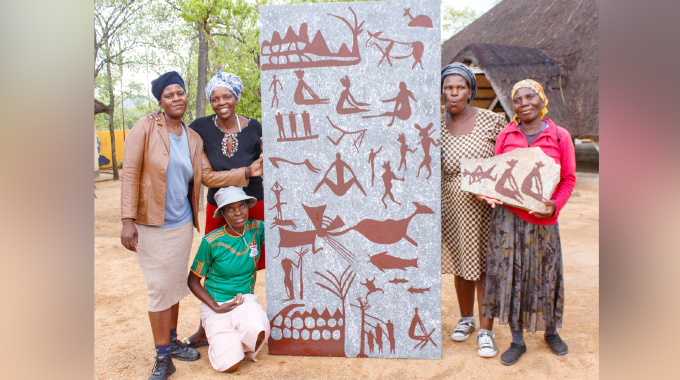
Mbulelo Mpofu, Zimpapers Arts and Entertainment Hub
IN Matobo, history lives on, not in dusty books, but through brushstrokes, fabric prints and living memory.
What began over a decade ago as a vibrant hut-painting competition has blossomed into a powerful women-led movement in Ward 17, now at the forefront of preserving Zimbabwe’s ancient San rock art.
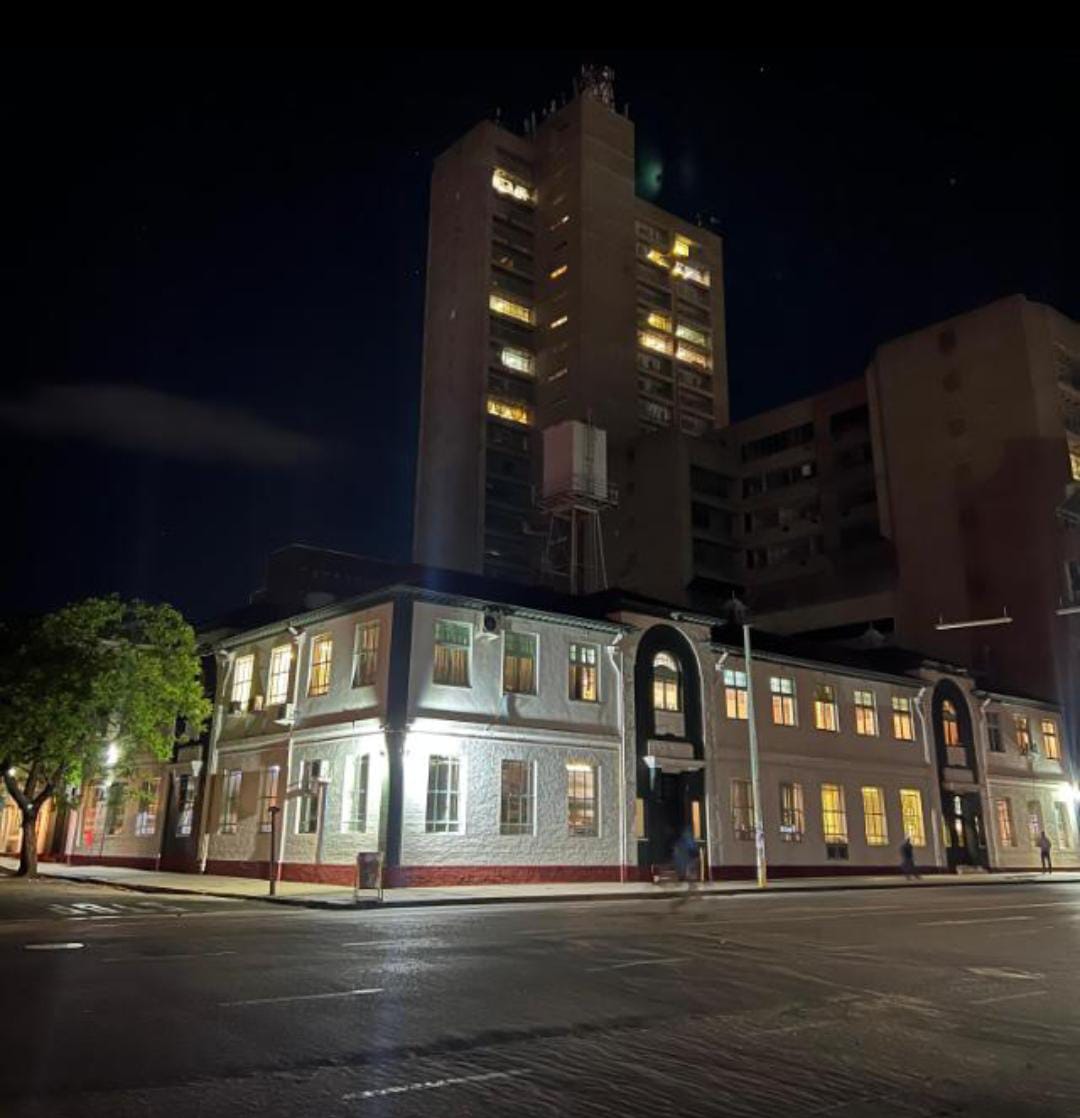
This cultural evolution was brought into the spotlight last Friday at the Natural History Museum in Bulawayo, where Amagugu International Heritage Centre (AIHC) unveiled the Echoes from the Rock exhibition.
Supported by the US Embassy in Zimbabwe through its Ambassador’s Fund for Cultural Preservation (AFCP), the exhibition celebrates the journey of Matobo women from mural artists to cultural custodians.
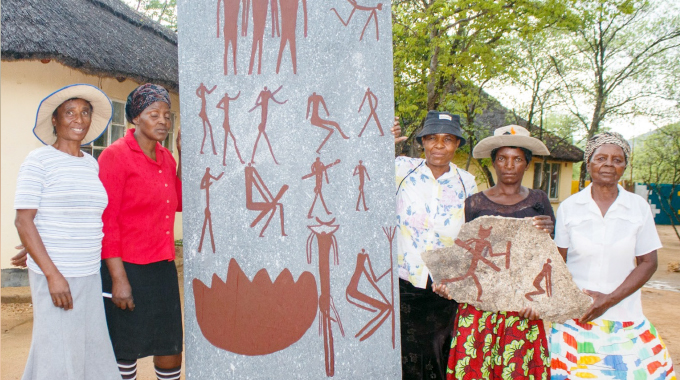
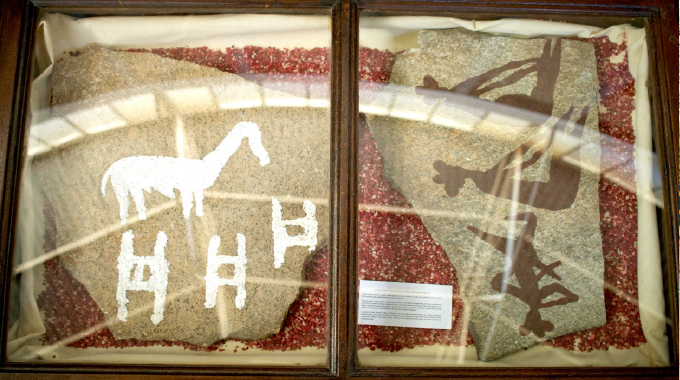
Once known for their colourful hut paintings, these women have embraced a new role: preserving, interpreting and documenting San rock art. At the event, they premiered a trailer for an upcoming documentary that captures their efforts to replicate fragile ancient artworks on canvas and fabric, breathing new life into a heritage once thought to be fading.
For decades, San rock paintings have suffered from weathering, neglect and the silent erasure brought on by modern development.
But the women of Matobo have chosen a different path, one that honours, protects and reclaims.
“Painting on canvas was hard at first, but now, we’re grateful to be authors of our own history. From painting huts to replicating rock art, it’s been a long but fulfilling journey,” said Mavis Ncube of Ward 17.
Their work has not been without challenges. Ncube recalled early tensions between Christian and traditionalist communities at the onset of the project.
“The Christian community viewed the rock art as devilish. But over time, understanding grew. Today, we’re proud custodians of our rock art.”
AIHC director, Allington Ndlovu praised the deep civic engagement the project has inspired.
“We witnessed powerful reconnections. Women rediscovered ancient colour-blending techniques, children sketched their visions for preservation and local leaders, artists, transporters and researchers came together, not as individuals, but as a unified community,” Ndlovu said.
The exhibition also showcased rock art-inspired fashion pieces, a tribute to how Matobo women are reimagining ancient motifs for the modern world, from home walls to wearable prints.
Guest of honour, Rebecca “MaNcube” Archer-Knepper, a Public Diplomacy Officer at the US Embassy in Zimbabwe, emphasised the importance of communities leading the preservation of their own culture.
“This project embodies AFCP’s mission, which is to support local expertise to protect cultural heritage for generations to come.”
As the audience watched the preview of a documentary, led by cultural preservationist Priscilla Ncube-Sithole, a deep sense of pride filled the room.
This was more than an exhibition, it was a testament to what happens when heritage is reclaimed by those, who live with it, love it and understand it.
In Matobo, history is not just being remembered, it is being painted, worn and passed on. — Follow on X @MbuleloMpofu