Online Reporter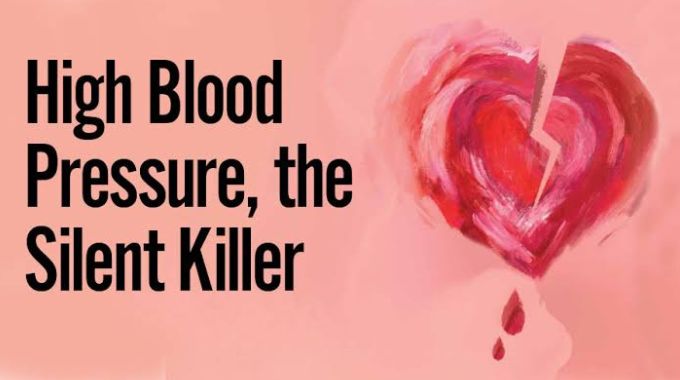
Medical professionals call high blood pressure, also known as hypertension, the silent killer be-cause it can go undetected for a long period of time and leads to death. Most people who have high blood pressure do not have any symptoms; testing is the only way to determine if someone has it.
Left untreated, high blood pressure significantly increases the risk of having a heart attack, stroke, brain aneurysm, heart failure, kidney failure, clogged arteries creating blockages in the legs, and dementia. High blood pressure also can lead to sexual dysfunction and vision prob-lems, including blindness.
The silent killer
About 1 in 5 people with high blood pressure do not know they have the condition.

What is blood pressure?
The heart pumps blood through the arteries—the body’s major blood vessels—and that blood pushes against the artery walls. That pushing is blood pressure.
How do you know if blood pressure is high, low, or just right?
When blood pressure is measured, two factors are considered. These two factors are the two numbers that make up a person’s blood pressure. Both are important:
The top number is the pressure against the arteries when the heart beats (also known as systolic pressure).
The bottom number is the pressure against the arteries when the heart relaxes between beats (also known as diastolic pressure).
When the top (systolic) number is greater than 130, a person has hypertension.
When the bottom (diastolic) number is greater than 80, a person has hypertension.
As people age, both blood pressure numbers tend to increase, due to increased stiffness in large vessels. Just a slight increase in either number significantly increases someone’s risk of death from heart disease or stroke.
How do you lower high blood pressure?
Individuals with elevated blood pressure or hypertension should start to make changes to their lifestyle, including limiting salt in their diet, losing weight if appropriate (even 10 fewer pounds can lower blood pressure by 5 to 10 mm hg), increasing exercise, stopping smoking, and limiting alcohol intake to one to two drinks per day.
People with cardiac risk factors, such as diabetes, and family history of heart disease will likely be prescribed medication. Taking medicine improves both blood pressure and health outcomes.
Talk to a doctor to determine which medication may be best for you.
What can I do to monitor my blood pressure?
Go to a doctor and have it checked.
If your blood pressure is high (or low), your doctor can help figure out why. The majority of peo-ple who have high blood pressure inherit it from one or both parents. A doctor can rule out oth-er causes, such as sleep apnea. Many medications, including pain medications, contraceptives, and anti-depressants, can contribute to high blood pressure.
Being proactive and having your blood pressure tested may save you from the not-so-silent health consequences of having untreated hypertension. Knowing your blood pressure numbers and starting treatment if appropriate are the best ways to stop this silent killer among us.
— University of Columbia Doctors.