Online Reporter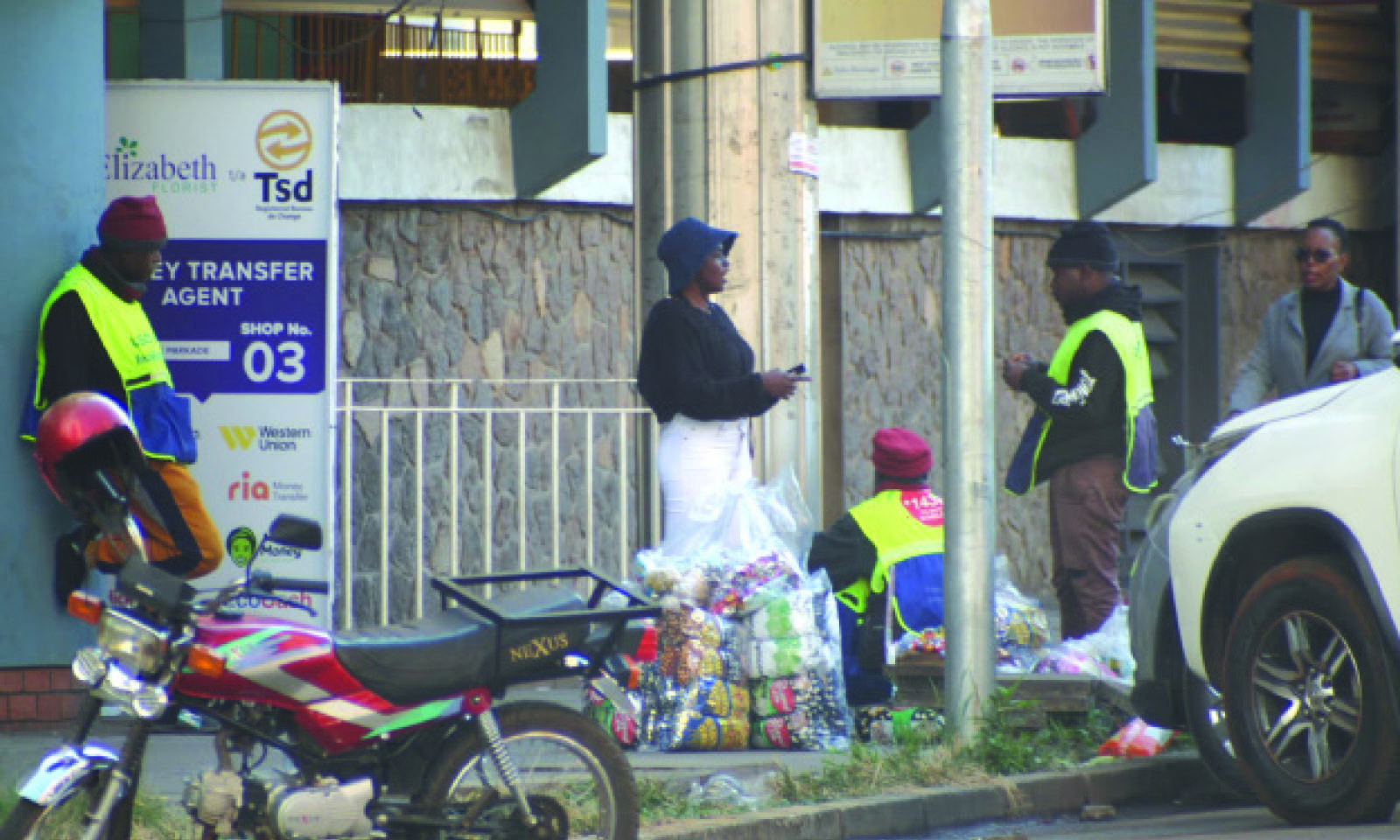
Ivan Zhakata
Check Point Desk
IN the heart of Harare’s oldest township, Mbare, a dark and disturbing reality is unfolding.
Behind the vibrant noise of the Mbare market and its bustling streets lies a well-organised system of human trafficking and child exploitation involving illegal Mozambican immigrants — many of whom are children smuggled across the border and forced into labour under inhumane conditions.
These children, some as young as 10, are brought into Zimbabwe through illegal crossing points, often guided by syndicates that operate along the eastern border near Mutoko, Nyamapanda and Chipinge.
Once in Zimbabwe, they are hidden in plain sight — living crammed in single rooms with others, sleeping on the floor and forced to work long hours selling airtime, snacks and small items in the bustling streets of Harare.
“They are treated like property,” said a concerned Mbare resident who preferred anonymity.
“Every morning around 5 am, the children are lined up and handed goods to sell. They are told how much they must bring back. If they do not, they are punished. Beaten. Starved. Threatened.”
Sources say the operation is run by both Zimbabwean and Mozambican nationals working together in a syndicate that profits from child labour.
The children do not go to school, receive no wages and have no identification. All money earned is surrendered to their bosses, who claim ownership over them.
“I asked one boy why he was not in school,” said Mr Tapiwa Mapako, a vendor at the Mbare Bus Rank.
“He looked at me and said, ‘School? I was told I came here to work, not to play.’ It broke my heart.”
One of the victims who identified himself as Pedro Mucavele, an 18-year-old from Manica Province in Mozambique, who is now selling cellphone accessories on a street corner in Harare, recalled how he was smuggled into Zimbabwe.
“We were packed into a small pickup truck with no space to move,” he said.
“We crossed the border through the bush at night, guided by men who promised us jobs. But once we got to Harare, it was a different story.
“They gave us stalls, yes, but they collect money from us every day. They collect almost all our earnings for the day. They say it is ‘protection,’ but it is extortion.”
Mucavele said if they resisted, they would be threatened with arrest.
“We are not free. We are being used.”
Another victim from Tete Province, again in Mozambique, shared a similar story while selling airtime and cigarettes on the streets of the city centre.
“They told me I could work and send money back home to my parents,” he said.
“I walked for hours through the forest with others, scared and hungry. When we got here, they took our papers and said we owed them for the transport and security.
“Every morning, they give us products to sell, and they take the money we make. If you speak out, they beat you or say they will get you deported.
“We are scared. We are trapped. It is not a better life; it is just another prison.”
Some Mbare community leaders said the children are hidden in dilapidated buildings, often without running water or electricity.
Up to 25 children have been found sleeping in one room in some cases.
The children, unable to speak local languages, are isolated and controlled through fear and dependency.
“We know it is happening, but we are helpless,” said a social worker based in Harare.
“These children are not registered, and the syndicates are powerful. Even some police officers turn a blind eye.”
Zimbabwe’s Immigration Act makes it a criminal offence to enter the country through unofficial channels. Additionally, the Labour Act prohibits the employment of minors in exploitative conditions.
Residents alleged that law enforcement officers are sometimes bribed to ignore the situation.
“The law is there,” said child rights lawyer Mr Thabo Moyo.
“But what good is the law if no one enforces it? What we are witnessing in Mbare is a full-blown slave trade. These are children who have been trafficked, stripped of their identities and rights, and condemned to a life of servitude.”
Mbare’s open-air markets and street corners are now the stage for this ongoing tragedy.
The children, often dressed in torn clothes and visibly fatigued, can be seen weaving through traffic, trying to sell items to motorists, pedestrians, and commuters.
Many of them appear anxious and guarded.
“We have reported it to the authorities,” said a local teacher who works with vulnerable children.
“But nothing changes. These children are invisible to the system — and disposable to their captors.”
The Chief Director of the Department of Immigration, Ms Respect Gono, said the migration of people was an inevitable phenomenon and was increasingly becoming complex.
“To tackle migration issues, the Department of Immigration has a comprehensive National Migration Policy that is designed to provide a roadmap on migration governance,” she said.
“It is the Department’s mandate to ensure safe, regular, and orderly migration. Migration governance is an opportunity to uphold the dignity and pride of humanity as people wilfully move from one place to another.
“Zimbabwe continues to work tirelessly to ensure the establishment and sustainability of systems that will live to the dictates of the global aspirations on the movement of persons.
“The drive to come and reside in Zimbabwe can be so overwhelming that some foreign nationals can resort to unorthodox means to secure a stay in the country.”
Ms Gono said it was one of the Department’s core functions to ensure the sanctity of migration governance by enforcing the arrest, removal, and deportation of non-complying foreign nationals.
“In the last quarter of 2023, a series of multi-stakeholder blitz operations dubbed ‘Comply or Leave’ were initiated,” she said.
“The scourge of irregular migration requires a whole-of-Government approach, and the joint efforts have been fruitful. During the first quarter of 2025, a total of 65 such operations were conducted countrywide compared to 31 in the same period in 2024.
“Total arrests amounted to 146 in 2025 compared to 122 in 2024. Of the 146 arrests that were effected in the first quarter of 2025, 37 were Malawians, 24 Ethiopians, 21 Chinese, 19 Congolese, eight Mozambicans, eight Zambians, and many others, including Singaporeans, Egyptians, and others.”
She said 239 prohibited immigrants were deported in the first quarter of 2025 compared to 385 deported in 2024 during the same period.
Civil society organisations have called on authorities to urgently intervene and for the Southern African Development Community (SADC) to treat this as a regional crisis.
“This is not just a Zimbabwean issue,” said Mbare resident Mr Bruce Moyo.
“It is a cross-border trafficking network that requires coordinated action. These are stolen children. And the world is watching us do nothing.”
As long as poverty, corruption, and complacency remain entrenched on both sides of the border, the children of Mbare — voiceless, unseen, and unprotected — will continue to be the victims of a growing human rights catastrophe.
If you have information about child trafficking or illegal child labour, contact the Zimbabwe Republic Police Victim Friendly Unit or call Childline Zimbabwe at 116.