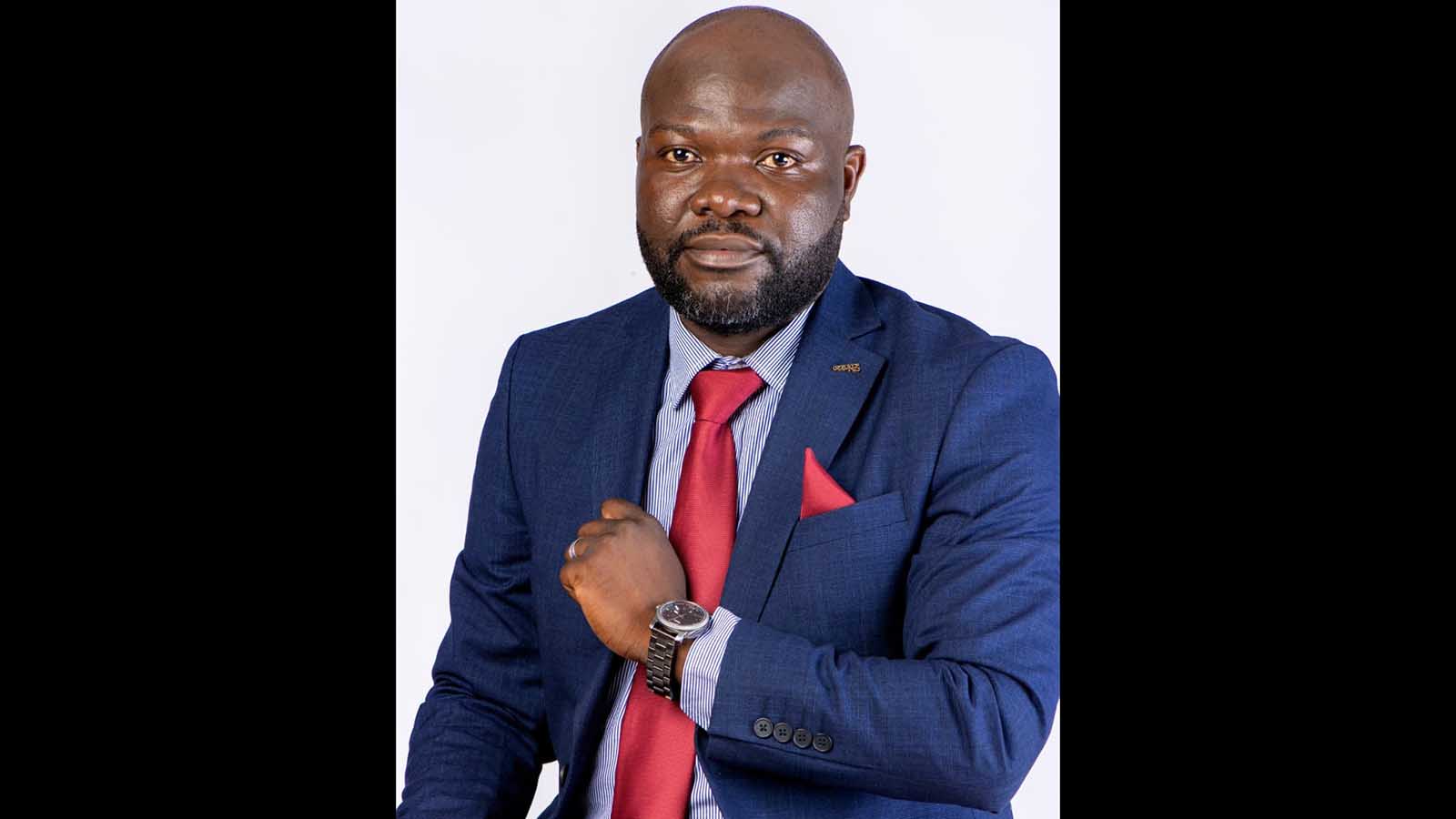
admin
adminThe former Warriors’ star completes his week-long visit to Zimbabwe today, where he was supervising his Football Against Aids project and reviving his local contacts, before flying back to his base in Germany tomorrow.
Mbwando says he will be back, after a month, to lay down the technical concept he believes could provide the solid foundation on which to rebuild Zimbabwe football, reeling from years of gradual decline.
The 37-year-old retired footballer, who has earned a coaching badge and an economics degree since walking away from a professional life as a football star, wants to borrow from a model, he has seen being developed in Germany, for use in reviving domestic football.
“This is not the time for blame games, for pointing fingers to say this one has messed up this and that, it’s time for us to come together, as a football community, so that we can appreciate what we are doing wrong and try and find solutions so that we can turn a new leaf,” Mbwando told The Herald.
“Our football is in a very sorry state and you don’t need to have played at a high level, say in Europe, for one to pick out that there is something very wrong about the way we are running our national game and that something urgently needs to be done to arrest the slide.
“A lot of our people have ideas, including some brilliant ones, about how we can turn things around but we haven’t given them a forum where they can tell us what they have in mind and how we can incorporate those ideas into a national project.
“I’ve been lucky that I’ve been living in a country, Germany, that went through a decline, in terms of its football, after Euro ’96 and I have seen, first-hand, what they have done, as a united nation, to lift themselves up and the fruits of their efforts can be seen by everyone today with their clubs shining in Europe and their national team in great shape.
“I am saying that we can also do the same, maybe not get to the level where the Germans have taken themselves, but we can go back to where we were in 2003 when we qualified for the Nations Cup for the first time and when out Warriors competed, extremely well, against the best teams in Africa in Tunisia the following year.”
Mbwando said his ambitious programme involved bringing together ex-players, ex-coaches, current players, current coaches, current and former administrators, current and former referees, current and former football writers and sponsors in a national drive that will also involve the participation of those who coach our kids at primary and secondary schools.
“What I have seen from the Germans is that they went back to the basics and it’s something that we should also try to do here, from Grade One, our kids have to be taught how to play football in a certain way and by the time they get to the clubs and national team, they are like robots because it’s now in their system,” said Mbwando.
“At Barcelona they are taught, as kids, to make 10 metre passes about 50 times, again and again, and when you look at it, you will say it doesn’t make sense, but with time it produces a player who believes in short passes and that’s the one that fits in the Barca system.
“In our case, we need the input of just about everyone who has been involved or is still involved in the game and when we collect their input, we will then combine it with the technical material that I have borrowed from Germany and I’m pretty sure that we will come up with a blueprint that will give a good foundation for our football’s revival.
“I have some great ideas from what I gathered from just studying the German football revival but this is a different place from Germany and some things can work here and other things can’t work and that’s why the views of those who have done it before and those who are still involved in the game are very important.
“We have reached the crossroads and we can just watch, and let the whole football system in our country die, or we can come out of our comfort zones and put in some big shifts to help and I have chosen the path to try and help this game because it means a lot to me.”
Mbwando said the Warriors were now barely recognisable as the team that competed well with the giants of the game during the Dream Team era and then dined with the best when they qualified for the Nations Cup in Tunisia and Egypt.
He said he was one of those who felt they were on a good path, when they battled in a losing cause in a 2014 World Cup qualifier in Egypt, but the subsequent depressing loss to the Pharaohs at home and the chaos that engulfed their camp, ahead of the trip to Guinea, had made him revise his optimism.
Mbwando said the Warriors’ success was key, because it acted as a magnet for sponsors and it opened doors for the players to play football in competitive leagues in Europe, but it was also important that a solid base be laid in schools, academies and resources be channelled to the junior national teams.
“It’s sad that our national team has become a punching bag now and we have just had our worst campaign in the World Cup and I was reading about their problems, related to their trip to Guinea, in a German newspaper and you say, ‘No!’, we can’t let it get worse than this,” said Mbwando.
“We can’t just blame Zifa or blame the Government because that will not help us and won’t change anything, we have to rise and face the challenges that have made us so poor, as a football community, and we have to organise ourselves because without such organisation, no one will come to try and help us and we will continue sinking.
“The first point is to organise ourselves and everything will follow and we all have a responsibility to help our Warriors to become competitive again, to make our junior national teams compete very well and to ensure that our structures in those junior ranks are producing some quality players.
“It’s not easy and it won’t happen overnight but we have to be patient and, crucially, someone has to act because without such action, nothing will happen and the decline will continue and soon we will be number 150 in the world.
“The issue of limited resources will always be there but we need to produce something that reputable companies can buy into because they can see where we want to go and that is what I want to concentrate on right now.” Mbwando says he has been inspired by the way Kalusha Bwalya, after years of professional football in Europe, has returned to Zambia and turned them into the champions of Africa and wants to play such a role, on the technical side, in the revival of Zimbabwe football.


 Online Reporter