Andile Tshuma
[email protected]
MEDIA experts have called for the development of a future-proof regulatory framework capable of keeping pace with rapid technological advancements while protecting public interest, promoting innovation and safeguarding consumers in an increasingly converged digital environment.
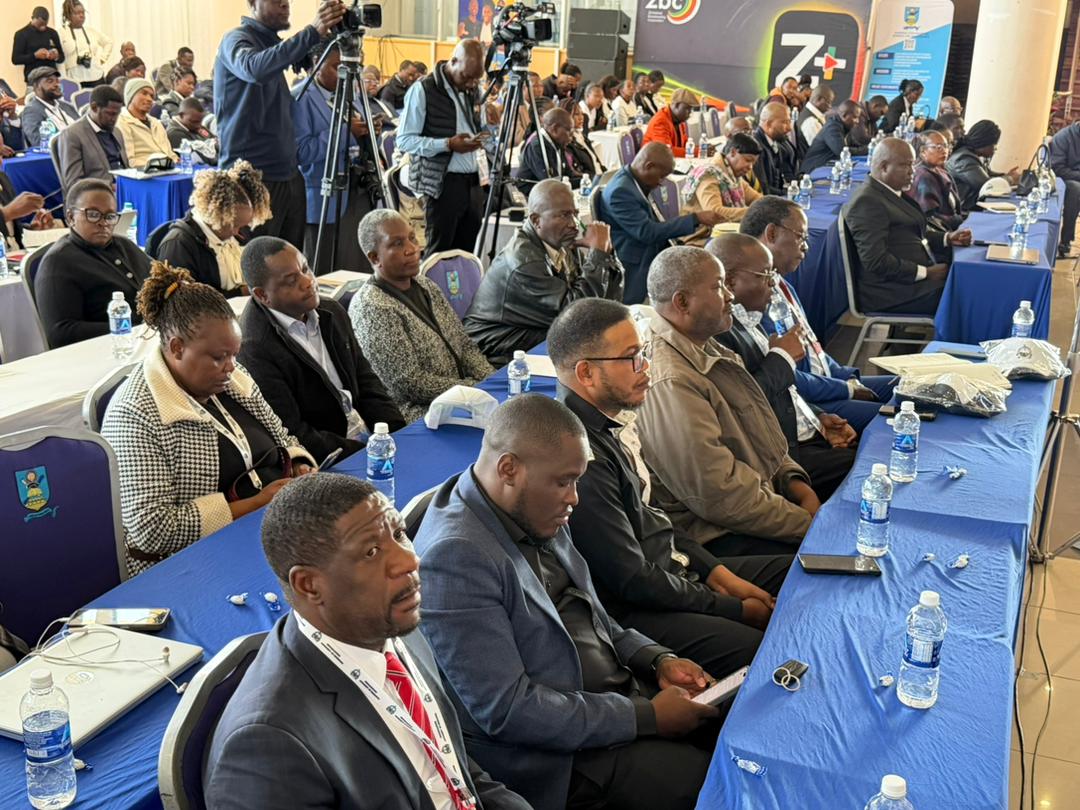
Speaking during a panel discussion on “Building a Future-Proof Regulatory Framework” at the ongoing Broadcasting Authority of Zimbabwe (BAZ) Annual Broadcasters Conference in Bulawayo, experts said regulators must rethink traditional approaches to broadcasting regulation as technological boundaries continue to blur.
Transmedia chief operations officer, Engineer Rufaro Zaranyika, said future regulatory frameworks should be founded on the principle of technology neutrality, where regulation focuses on services and outcomes rather than specific platforms.
He said there was a growing need for consistent regulatory standards across traditional broadcasters, streaming services, online content providers and emerging technologies.
“The regulatory framework must be technology neutral. We should regulate services and outcomes rather than specific platforms. The same principles should apply across broadcasting, streaming and digital content platforms where appropriate,” said Engineer Zaranyika.
He said future regulations must also be flexible and adaptive enough to respond to emerging technologies such as artificial intelligence-generated content, virtual reality broadcasting and new content distribution platforms.
“Technology is evolving rapidly. Regulatory systems must have built-in mechanisms for regular review and amendment to enable regulators to respond effectively to new developments,” he said.
Zimbabwe Media Commission Executive Secretary Mr Godwin Phiri echoed the sentiments, saying regulatory principles should focus on protecting the public interest rather than governing specific technologies.
He said regulators should increasingly adopt co-regulatory approaches that encourage industry players to take greater responsibility for compliance while regulatory bodies maintain oversight.
“We need a regulatory framework that is technology neutral and centred on public interest. Regulators should provide oversight while empowering industry players to take responsibility and ensure accountability,” said Mr Phiri.
He stressed the need for mechanisms that promote accountability while addressing inequalities in access to information and media services.
Mr Phiri also highlighted the importance of strengthening media professionalism through support for investigative journalism, fact-checking and verification processes.
“As misinformation and disinformation continue to grow in the digital space, there is a need to strengthen professional journalism practices that promote credibility and public trust,” he said.
Participants at the conference noted that future regulatory systems should empower citizens, remain responsive to technological change and be grounded in ethical principles.
They said the proposed framework should promote diversity, protect vulnerable audiences, encourage responsible content practices and safeguard societal values.
The experts further called for a whole-of-government approach to regulation in response to media convergence, where broadcasting increasingly overlaps with telecommunications, internet services and digital platforms.
However, speakers warned against excessive regulation that could stifle innovation and increase compliance costs for media organisations.
“Regulation must strike a balance. Overregulation can suppress innovation, while underregulation exposes audiences and consumers to harm,” said Mr Phiri.
The conference heard that future regulatory frameworks must be evidence-driven, innovation-friendly and capable of addressing emerging challenges such as AI-generated content and evolving digital platforms.
Delegates agreed that consumer protection should remain at the centre of all regulatory interventions as Zimbabwe navigates an increasingly complex digital media landscape.
The BAZ Annual Broadcasters Conference continues in Bulawayo, bringing together regulators, broadcasters, policymakers, academics and technology experts to deliberate on the future of broadcasting in the age of artificial intelligence and digital convergence.