malvernmugadzikwa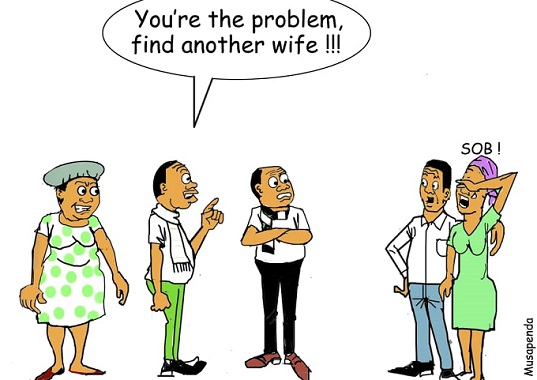
PART ONE
Catherine Murombedzi
Health Correspondent
- In this four-part series on Fertility Awareness, part one looks at stigma and societal expectations and norms.
- Part two looks at possible causes of infertility. The complex nature of infertility and medical interventions.
- Part three looks at stakeholder initiatives and outcomes. What more can be done and the role of community health workers in awareness.
- Part four has voices from the people, challenges, inspiration through success stories and local specialists’ voices.
THE Merck Foundation and Africa Reproductive Care Society (LARCSI) recently held a virtual awareness conference with the media marking World Infertility Awareness Summit 2024.
Over 250 stakeholders participated in the forum.
Senator Dr Rasha Kelej, CEO of Merck Foundation and President of “More Than a Mother” Campaign and Chairperson of Africa Reproductive Care Society (ARCS) opened the meeting urging the media to raise infertility awareness and fight stigma.
Infertility affects one in six people globally.
Infertility affects one in four couples in Africa, with 50 percent caused by male and female factors.
This shows that infertility weighs equally across the gender divide.
The high cost of fertility services in Africa is a barrier. Infertility is often considered a taboo topic in many African cultures and societies. This can lead to feelings of shame, guilt and isolation for individuals and couples struggling with infertility.
Professor Oladapo Ashiru OFR, president of Africa Reproductive Care Society (ARCS) as well as president of The Academy of Medicine Specialties of Nigeria, said correct education on infertility is often missing and misunderstood.
People may not know how to support those affected, and they blame women.
“Reproductive issues are often considered private and not discussed openly,” said Prof Ashiru. “Infertility is often viewed as a personal failure or a sign of weakness.
“Infertility affects one in four couples in Africa, with 50 percent caused by male and female factors. Cultural and societal expectations often put pressure on the affected to conform to traditional family norms and expectations.”
The media was urged to bring infertility discussion to communities through mass media and digital platforms.
“Infertility can be a sensitive and emotional topic, thereby making it difficult for people to discuss openly,” said Prof Ashiru. “Breaking the silence and stigma surrounding infertility can help by raising awareness and understanding. This can open conversations and reduce feelings of isolation for affected couples.
“The energy and passion of the Merck Foundation is a testament to the support for those affected. The Foundation has supported over 570 fertility specialists and embryologists in Africa through scholarships, resulting in improved access to infertility care.”
Infertility is often considered a taboo topic in many societies. This can lead to feelings of shame, guilt and isolation for affected individuals and couples.
There is often pressure to conform to traditional family norms and expectations.
Insensitive talk and blame games of infertility can be emotionally stressful.
Working with the media has helped in raising awareness and understanding. Although understanding of reproductive health is not measurable, fertility stories are now being published, with radio programmes airing such too.
By talking openly and honestly about infertility, we can break down the taboo and support those affected by removing the stigma associated with infertility.
The World Health Organisation (WHO) recognises reproductive health and fertility as a human health right to well-being.
It advocates for universal access to reproductive health services, including fertility care.
African First Ladies are playing a critical role in infertility advocacy and breaking stigma. They are partnering government ministries in their respective countries and healthcare providers, as well as the media.
The Merck trainings focus on public health providers to bring the service to the people.
- Feedback: [email protected]


 Online Reporter