Moffat Mungazi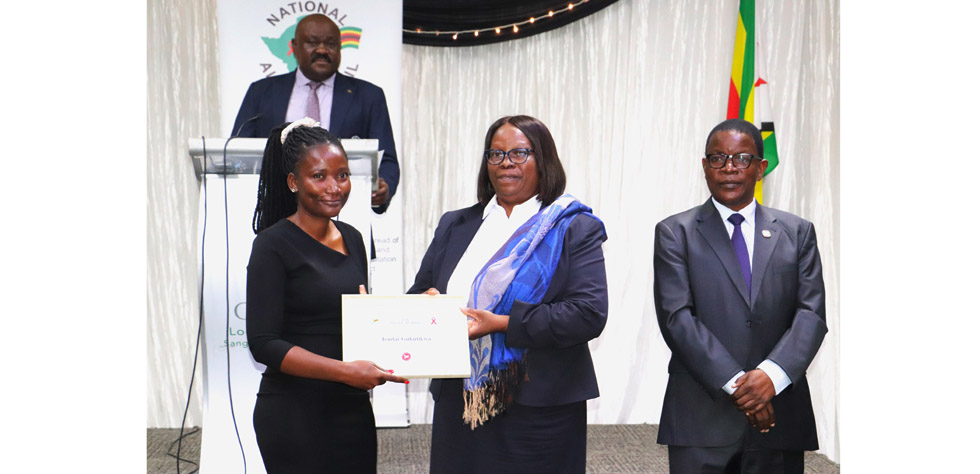
Post Reporter
HEALTH and Child Care Minister, Dr Douglas Mombeshora, has stressed the importance of remaining vigilant, innovative, and united in efforts to achieve national HIV and AIDS goals, and contribute to the global vision of ending the epidemic as a public health threat by 2030.
Speaking at the National Aids Council Media Awards in Harare on Wednesday, Dr Mombeshora who was represented by NAC board chair, Mrs Nester Mukwewa, urged the media to continue playing a crucial role in the national response to HIV and AIDS for the nation to remain vigilant.
“The media has played an indispensable role in the national response to HIV and AIDS, as a result, there is a reduction in AIDS-related deaths, which are embodied in the achievement of the 95-95-95 global targets.
“However, despite these achievements, complacency is not an option, and the response to HIV and AIDS is far from over,” he said.
Dr Mombeshora stressed critical areas that require the media’s attention, including raising awareness about early testing, promoting prevention strategies among young people, addressing stigma and discrimination, and ensuring access to quality HIV services.
He also noted the recent cut in financial aid by the US government, which has exposed the need for an integrated response hinged on universal health coverage.
“The power of media becomes truly paramount in this regard. As the media, you should know that your hands, your cameras and your voices have the power to shape perceptions, dispel myths, promote understanding, and drive positive change,” he said.
Dr Mombeshora also expressed appreciation for the media’s contribution to the national response, citing their role in amplifying the voices of those affected by HIV, humanising their experiences, and challenging stigma and discrimination.
“Through collaborative efforts and innovative storytelling, the media can play a vital role in achieving national HIV and AIDS goals, and contributing to the global vision of ending the epidemic as a public health threat by 2030 through driving positive change and promoting a more informed and empathetic society,” he said.
Dr Mombeshora said the media must continue to be a crucial link between information and the public, driving positive change and promoting a more informed and empathetic society.
NAC chief executive officer, Dr Bernard Madzima echoed Dr Mombeshora’s sentiments, emphasising the media’s unwavering support and commitment to the fight against HIV and AIDS.
“Today, we acknowledge and celebrate the pivotal role that our media partners play in shaping the narrative for HIV in Zimbabwe. Your stories inspire change, hold leaders accountable, and bring hope to communities across the nation,” Dr Madzima said.
The awards ceremony recognised the outstanding achievements of journalists, editors, photographers, and media houses that have demonstrated exceptional dedication, professionalism, and courage in their reporting on HIV and AIDS.
Notably, The Manica Post health reporter, Tendai Gukutikwa, scooped the first prize in the print category at the awards.
In an interview, she said, “I am grateful for the award as it motivates me to keep pushing the boundaries of health reporting, and to continue making a positive impact in the community.”
Other Zimpapers journalists who also won awards were Nqobile Bhebhe from The Chronicle in Bulawayo who scooped the second prize in the print category and Sukulwenkosi Dube-Mathuthu from The Chronicle in Bulawayo who scooped the most promising reporter award.



 Online Reporter