admin
admin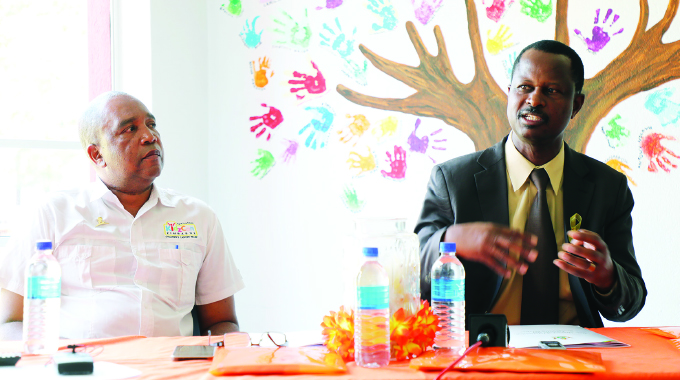
Rumbidzayi Zinyuke, Senior Health Reporter
At a time when Zimbabwe is striving to increase the survival rate of children diagnosed with cancer to 60 percent by 2030, the media industry has been tasked to increase its role in raising awareness of the disease to ensure no one is left behind.
Each year, an estimated 400 000 children and adolescents aged 0 to 19 years old across the globe develop cancer.
The most common types of childhood cancers include leukemias, brain cancers, retinablascoma (cancer of the eyes), lymphomas and solid tumours such as neuroblastoma and Wilms tumours.
Zimbabwe has been recording an increase in the number of children suffering from childhood cancers and the survival rates for these children stands at 20 percent, mostly due to poor health seeking behaviour by most caregivers.
This is way below the World Health Organisation’s Global Initiative on Childhood Cancer targets of 60 percent.
Information, Publicity and Broadcasting Services Deputy Minister, Dr Omphile Marupi yesterday highlighted the need for all stakeholders to unite in the fight against childhood cancers, most of which affect the vulnerable populations.
He was speaking at a media workshop organised by KidzCan to empower journalists on reporting on childhood cancer as part of the Childhood Cancer Month.
“The media has the power to influence opinions, shape narratives, and bring critical issues to the forefront of national consciousness,” he said. “Today, I challenge you as members of the Press to take up the mantle of responsibility in the fight against childhood cancer. You are the voice that can educate, inform, and mobilise our communities.
“Through your reporting, you can help dispel myths, eliminate stigma, and encourage parents to present their children early for treatment, giving them a much-needed chance at survival.”
By raising awareness on childhood cancers, Dr Marupi said the media could encourage communities to seek healthcare for affected children early to improve health outcomes.
The Ministry of Information, he said, stands committed to playing its role in supporting childhood cancer initiatives and will do everything within its power to spread the message and educate the people.
“We urge all journalists to join us in this cause, using every platform at your disposal to raise awareness and help save lives,” said Dr Marupi.
KidzCan executive director, Mr Daniel McKenzie, said it was important for communities to be aware that children can get cancer.
“Some of the challenges being faced include late presentation. Sixty percent (of patients) are presenting to traditional and faith healers first before they go to health institutions.
“Early detection and treatment significantly improves survival rates. We need to talk about it and make childhood cancer a household name. “People should not be afraid of childhood cancer, instead they should be able to say early detection is the best protection and refer the child,” he said.
Mr McKenzie added that collaboration between all stakeholders, including the media, could make a difference and contribute to the attainment of the WHO Global Initiative on Childhood Cancer targets.
Specialist surgeon at Sally Mugabe Central Hospital Mr Bothwell Mbuvayesango said there was need for commitment from all stakeholders to ensure that childhood cancers are treated effectively.
“For children’s cancer care to work, it needs several pillars. One of them is the early detection and diagnosis, then you need the treatment and included in this is surgery.
“We also need the drugs, radiotherapy and psychosocial therapy. My pillar is surgery. Unfortunately, with surgery, you cannot extricate it from the rest of the treatment or from how a hospital system functions because you cannot have a separate theatre that works only when a cancer patient comes. The theatre has to work efficiently every day,” he said.
Mr Mbuvayesango said some challenges causing delays in the conducting of surgeries for children with cancer include staff shortages, malfunctions of equipment and shortage of beds in the children’s intensive care unit.
He called on the media to highlight the importance of a holistic approach to cancer care that involves prioritisation of access to all pillars by all stakeholders from communities to the Government.
To sell the childhood cancer story, Zimpapers online editor, Wendy Nyakurerwa-Matinde, said journalists needed to strike a balance in creating content that is factual and appeals to different target audiences.
“It is crucial to ensure that whenever we are reporting something, we go back to the experts to verify information. We need to educate people on the prevalence of cancer in children.
“Many people are not aware that cancer can affect children. It is our role to keep that information on the frontline. We need to continue hammering the message so that even those in the clinics and hospitals have childhood cancers at the forefront so that whenever they see a child, they have the ability to rule out cancer.”
She emphasised the importance of using indigenous languages when packaging information for communities to ensure adequate information reaches the most vulnerable people.
Unlike cancer in adults, the majority of childhood cancers do not have a known cause. Some chronic infections such as HIV, Epstein-Barr virus and malaria, are risk factors for childhood cancer particularly in low and middle income countries.
Data suggests that About 10 percent of all children with cancer have a predisposition because of genetic factors.



 Online Reporter