

 admin
admin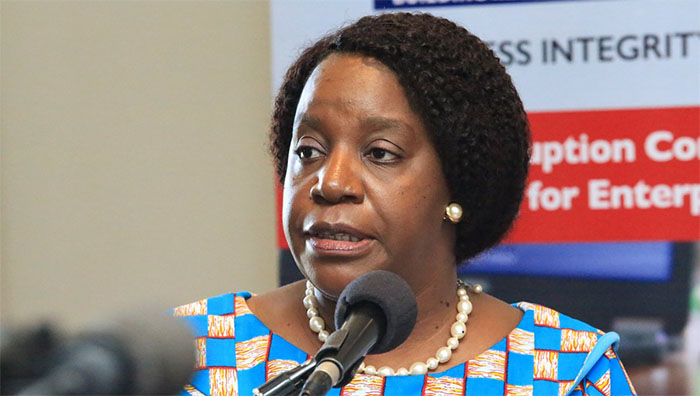
Elita Chikwati in Lusaka, ZAMBIA
The media has been challenged to play a critical role in disseminating information on COMESA, its policies and programmes being implemented in the organisation’s member states and contribute towards the deepening of regional integration, economic growth and enhancing competitiveness of the body.
This came out of the two-day capacity building workshop for communication experts and the media organised by COMESA in Lusaka.
The workshop, which started yesterday, is being attended by representatives from 21 COMESA member states including Zimbabwe, Zambia, Malawi, Comoros, Egypt, DRC, Djibouti and Uganda. Participants at the function said regional integration and trade was not being fully covered and activities by COMESA were not fully given media coverage, with others feeling that journalists were not interested in the matter, while others argued that experts were not easily accessible as sources for news.
Others suggested that COMESA engages the media and carry out sensitisation workshops to empower journalists with the requisite information so they report on COMESA and its activities.
Journalists also proposed that COMESA trains media personnel to improve knowledge on the programmes and their impact on communities.
Officially opening the workshop, COMESA secretary-general Mrs Chileshe Mpundu Kapwepwe said it was important for the economic regional body to have a vibrant communications system characterised by well-equipped media personnel.
“COMESA realises that as the largest regional economic community, it has complex and diverse communication dynamics ranging from multiple languages and cultures, diverse media landscape and mass communication channels,” she said.
“As a result, in 2018, the COMESA Council of Ministers directed that the COMESA Communication Strategy be implemented in a manner that showcases the impact of COMESA programmes. As one way of ensuring that this directive is realised, the council urged member states to establish a communications co-ordinator desk at national level as an interface between COMESA and media and related publicity.
“From inception, COMESA, has always appreciated and acknowledged the indispensable role of communication professionals as key stakeholders in the realisation of our integration agenda and subsequently attainment of our socio-economic development of our region.
“We have enlisted the media as our partners in raising public awareness of our programmes across our member states. This has contributed significantly to our visibility, even though a lot more needs to be done, particularly in building the communication profession in our member countries.”
Mrs Kapwepwe said the public, who are the ultimate beneficiaries of regional integration initiatives, were not sufficiently aware of the different COMESA programmes and activities, and hence were not in a position to demand from their governments to deliver on regional integration commitments.
“This is where your role as communication professionals comes in; to ensure that key messages and information about the decisions and commitments made in the public interest reach the key stakeholders as the intended beneficiaries,” she said.
Spokesperson for Zimbabwe’s Ministry of Foreign Affairs and International Trade Mr Livit Mugejo said the media was the missing link in breaking barriers.
“Comesa is roping in members of the fourth estate to promote regional integration and make sure they publicise their projects for the benefit of their member states,” he said.
Ugandan’s Ministry of Trade, Industry and Co-operatives, communications co-ordinator for COMESA, Ms Mary Mwesigwa, said one way to improve the issue was to have the media aware of the actual benefits of the policies and programmes Comesa runs.
“From experience, the media and the people who consume the news are interested in what actually affects them directly,” she said.
“What is the result of the policy and integration, the projects we are running and the results of the all technical meetings and how it affects the common man, how it makes trade easier and how it makes movement across borders with COMESA easier.
“That is what the media is interested in reporting and it would make sense to the communities consuming the news.”
Malawi freelance journalist, Josephine Semu Phumisa, said issues of trade and markets were too technical for some journalists.
“People would rather go to health and politics,” she said.
“People would want to know what they are going to benefit socially from their leaders and pay so much attention on such issues. I urge editors to promote reporting on trade and markets.”
European Development Fund programme manager, Mr Mshuka Kamwela, said media was important in raising awareness on a technical and social trade issues and associated remedies that would benefit regional stakeholder’s engagement in inter regional trade and provide support in ensuring smooth movement of good and services across COMESA member states.



 Online Reporter