Dr Tendai Zuze
Health Matters
WHEN we talk about breast cancer, most of us immediately think of women.
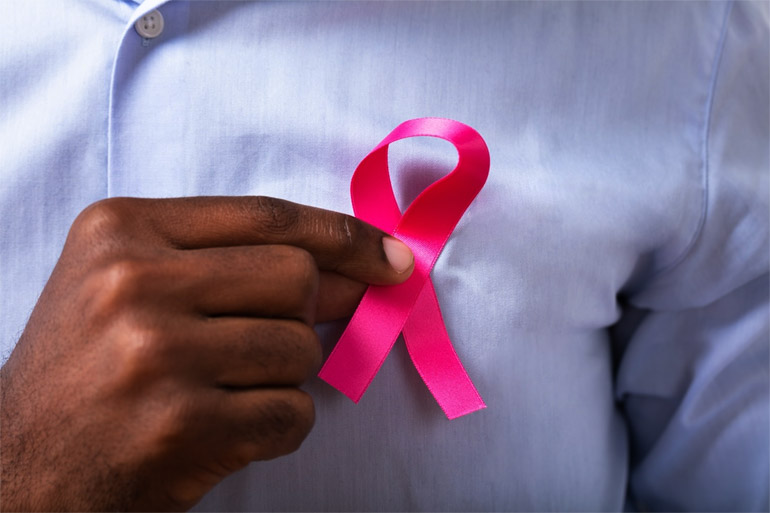
During October, we see pink ribbons, awareness campaigns and reminders for women to examine their breasts and go for screening. But there is something we often forget: men can also develop breast cancer.
It is uncommon in men, but it is real, and the fact that it is rarely discussed can make it particularly dangerous. Many men do not even know that they can get breast cancer. Others may notice a lump, but dismiss it, assuming that breast cancer is a woman’s disease. Some may feel embarrassed to seek medical attention because they think there is something unusual about having a problem with their breast.
Unfortunately, cancer does not care whether we consider it a man’s disease or a woman’s disease. If the tissue is there, cancer can develop in it.
Men have a small amount of breast tissue behind the nipples. Although this tissue does not develop in the same way as it does in women, it can still become cancerous. Male breast cancer accounts for roughly one in every hundred breast cancer cases, so it is rare, but that is no reason to ignore it.
One of the biggest problems is that men may present late. Because breast cancer is not something they expect to develop, they may live with a lump for months before seeking help. Some assume it is simply a fatty deposit, an infection or a harmless swelling. Others may be reluctant to discuss the problem with anyone, particularly if they are worried about what people might think.
The commonest sign of breast cancer in men is a lump or thickening in the breast, usually close to or just beneath the nipple. It is often firm and painless. This is important because many people associate serious illness with pain. A lump that does not hurt may appear harmless, but breast cancer is frequently painless, especially in its early stages.
Other warning signs include a nipple that begins to turn inward, unusual discharge from the nipple, particularly if it is bloody, or changes in the skin around the nipple. The skin may become red, scaly, dimpled or ulcerated. A man may also notice swelling or a lump in his armpit, where lymph nodes are found.
These symptoms do not automatically mean cancer. Many breast lumps in men are caused by gynaecomastia, a benign enlargement of breast tissue that can occur with hormonal changes, certain medicines and some medical conditions. Fat accumulation can also cause a man’s breasts to enlarge. However, it is important not to make that diagnosis yourself. A new or unusual lump needs to be examined by a health professional.
Although any man can develop breast cancer, the risk increases with age, particularly after age 60. A family history of breast or ovarian cancer is another important risk factor. Other factors include previous radiotherapy to the chest, obesity, certain testicular conditions and liver disease that affects hormone balance. Having one or more risk factors does not mean a man will develop cancer, and many men diagnosed with breast cancer have no obvious risk factors.
If you are man examining yourself and your discover a lump, do not panic, but do not ignore it either. Arrange a medical assessment promptly. The doctor will examine the breast and nearby lymph nodes and may request an ultrasound or mammogram, depending on the findings. If the abnormality is suspicious, a biopsy may be needed to establish whether cancer is present. A biopsy involves taking a small sample of tissue for examination under a microscope.
It is also worth remembering that men are not routinely offered breast cancer screening in the way that some women are. This makes awareness of changes in one’s own body particularly important. You do not need to examine yourself obsessively, but you should pay attention to new lumps, changes in the nipple or unusual skin changes.
The good news is that male breast cancer can be treated. Treatment depends on the type of cancer, its stage and whether it has spread. Surgery is often the main treatment, sometimes followed by radiotherapy, chemotherapy or hormone treatment. Many male breast cancers respond to hormone blocking medicines. When cancer is found before it has spread, the chances of successful treatment are considerably better.
There is also a family consideration. Some men with breast cancer carry inherited genetic changes that can increase the risk of breast and other cancers in their relatives. Genetic counselling and testing may therefore be appropriate, helping family members understand their own risks and whether additional assessment is needed.
Perhaps the most important message is that men should not allow embarrassment, fear or the mistaken belief that breast cancer only affects women to delay seeking help. There is nothing shameful about noticing a change in your body and getting it checked. Equally, a doctor should never dismiss a suspicious breast lump simply because the patient is male.
As we continue to raise awareness of breast cancer, let us remember the men who may be affected too. The pink ribbon may be strongly associated with women, but the message behind it applies to everyone: know what is normal for your body, take unusual changes seriously and seek medical attention early.
For more on breast cancer in men, contact [email protected]
Men get breast cancer too