Johnson Siamachira
IN the heart of Renkini Long Distance Bus Terminus Market in Bulawayo, the bustling marketplace thrums with life, yet within the crowd, unseen struggles simmer.
A young woman, Mrs Thandiwe Dube, clutching a worn-out bag of vegetables, pauses to catch her breath. She wears a smile, but the shadows of anxiety loom large.
“I’m constantly worried about not being able to provide for my family,” she confides, her voice trembling. Mrs Dube’s story is not unique; it reflects a growing crisis in Zimbabwe where mental health challenges are overshadowed by economic strife and societal stigma.
The World Health Organisation (WHO) estimates that mental health conditions, including depression and anxiety, are on the rise in Zimbabwe, affecting millions. A staggering 2022 economic analysis study revealed that these issues cost the country approximately US$163.6 million in 2021 — about 0.6 percent of its gross domestic product — yet less than five percent of that amount was allocated to mental health care.
“This reflects a chronic underfunding of mental health services,” says Ministry of Health and Child Care, Mental Health Department, Deputy Acting Director, Dr Patience Mavunganidze,
“We have only one psychiatrist for every million people. The system is overwhelmed.”
Zimbabwe’s mental health crisis is exacerbated by poverty, political instability, and a significant lack of resources. With only two psychiatric hospitals and a shortage of trained professionals, many individuals suffer in silence. Unfortunately, the stigma surrounding mental illness further isolates those in need of help.
Amid these challenges, stories of resilience emerge. “I was diagnosed with bipolar disorder five years ago,” recounts Mrs Mary Dhlodhlo, a 28-year-old mental health survivor from Pumula North high-density suburb, also in Bulawayo.
“At first, I was ashamed and didn’t seek help. I thought I would be shunned.” Mrs Dhlodhlo’s journey took a turn when she discovered the Friendship Bench, a community-based initiative that provides mental health support through trained lay counsellors.
“It was a lifeline,” she recalls. “I learnt coping strategies and felt understood for the first time.”
Similarly, Ms Sithabile Moyo, a mother of two from Gwanda District in Matabeleland South Province, shared her fight against anxiety.
“I hid my condition from my family. I feared they would see me as weak,” she admits. Yet, through therapy and support groups, Ms Moyo found her voice.
“I’m now advocating for mental health awareness. We need to break this silence.”
Stigmatisation remains a formidable barrier in Zimbabwe. Mrs Belinda Magida, chairperson of the Women Affairs in Zimbabwe National Traditional Healers’ Association, emphasises the need for education.
“Stigma is driven by misunderstandings. People often believe those with mental illnesses are dangerous or unable to lead normal lives,” she explains.
“We need to foster understanding and compassion.”
Experts highlight that addressing stigma is crucial for effective mental health interventions. Dr Clayton Choga, a clinical family therapist, points out, “Public stigma hinders access to support programmes. We need a collective effort to change perceptions.”
Recognising the urgent need for action, the Zimbabwean Government launched the WHO’s Special Initiative for Mental Health, aiming to improve access to mental health care. The initiative focuses on integrating mental health services into primary health care and enhancing community-based interventions.
“This approach can significantly reduce the burden of mental health conditions,” Dr Mavunganidze notes.
Efforts like the Friendship Bench (FB) are pivotal in this landscape. By training community health workers to provide psychological support, the initiative has reached thousands.
“It’s about making mental health care accessible and destigmatised,” says FB Psychiatrist and Clinical Programme Manager, Ms Rukudzo Mwamuka.
World Mental Health Day was commemorated on October 10, with the theme of “access to services — mental health in catastrophes and emergencies”. This resonated deeply in Zimbabwe where the country faces a dual challenge of addressing immediate mental health needs while building a sustainable support system.
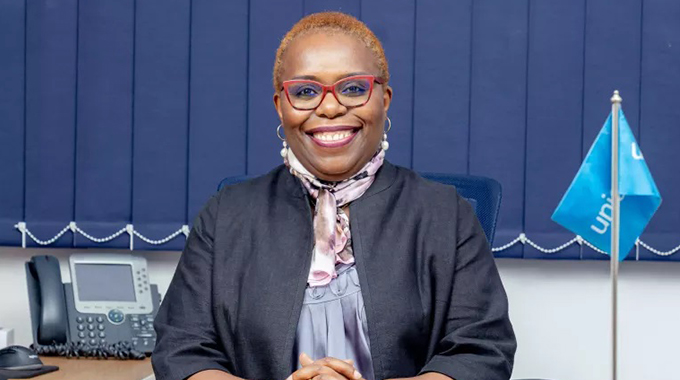
Ms Etona Ekole is the United Nations Children’s Fund (Unicef) Representative in Zimbabwe. She says her organisation launched a podcast called On My Mind, which has been co-created with young people and informed by evidence on mental health needs, and aims to improve knowledge, attitudes, practices and behaviours among young people specifically related to their mental health.
“From episodes on breaking down the stigma of talking about mental health and ways to manage anxiety, on nurturing healthy relationships, coping with stress, and connecting with family, and on self-care and handling grief and loss, the podcast is supporting progress in improving access to mental health services and fostering a nurturing environment for young people,” Ms Ekole said in her speech to mark International Mental Health Day in Harare last Friday.
She presses on: “Unicef and partners are working to ensure that all young people in Zimbabwe are supported to maintain and improve their mental health.’’
The Government recommendations urge increased funding for mental health services and greater community engagement.
“Investing in mental health is not just a health issue; it’s an economic imperative,” asserts Dr Mavunganidze.
“Every dollar spent on mental health yields significant returns in productivity and well-being.”
Despite the hurdles, hope flickers in the stories of individuals like Mrs Dube, Mrs Dhlodhlo and Ms Moyo, who have transformed their struggles into advocates for change.
“I want to show others that healing is possible,” Mrs Dube says with determination.
As Zimbabwe stands at this crossroad, prioritising mental health is not merely about addressing illness; it’s about fostering a society where individuals can thrive without fear or shame. Together, through education, community support and policy reform, Zimbabwe can pave the way towards a brighter, healthier future. — Ziana.