Online Reporter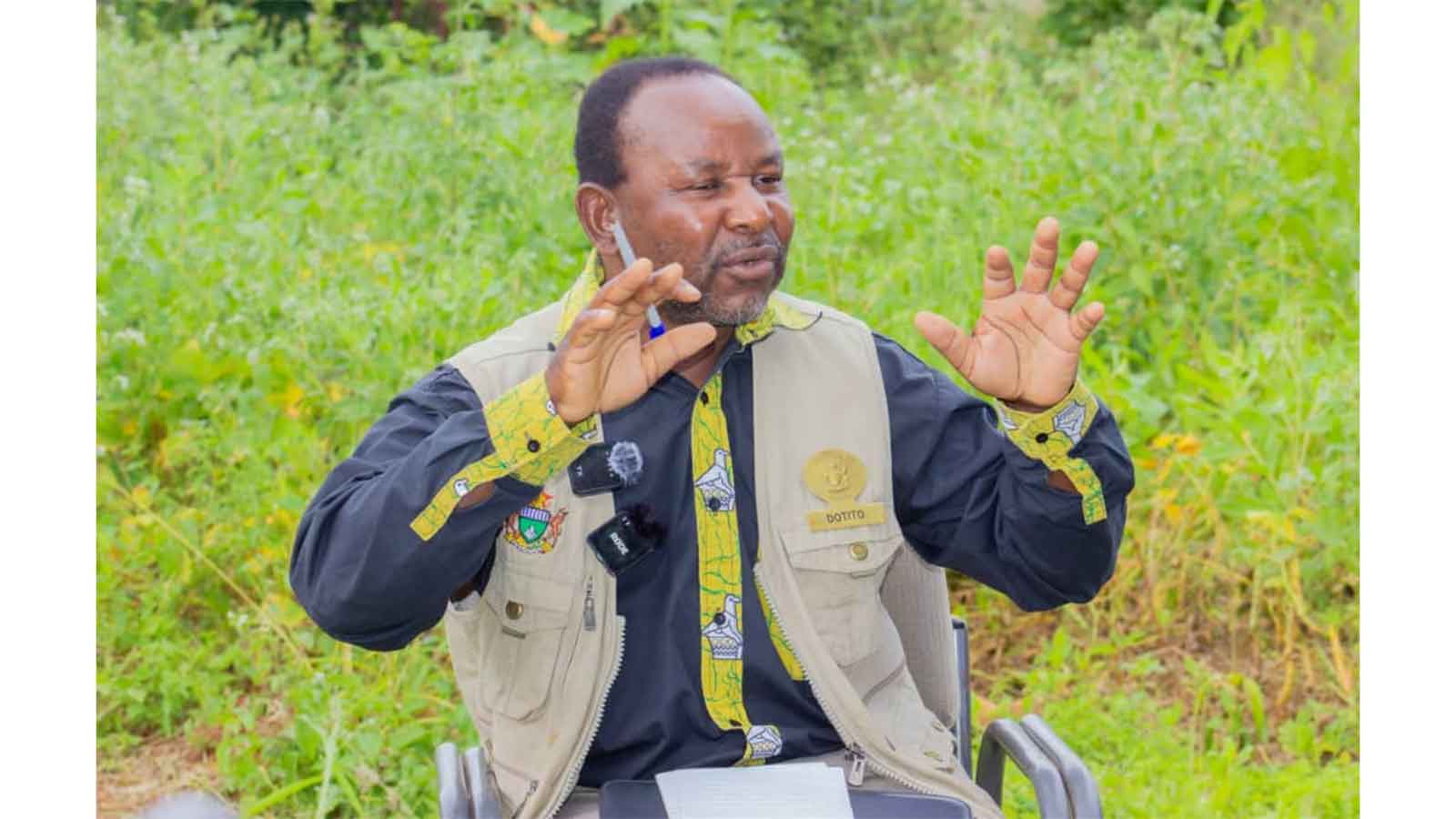
Fungai Lupande
Mashonaland Central Bureau
Mental health is increasingly taking centre stage in Zimbabwe’s HIV response, with authorities highlighting its strong links to rising suicide cases, drug and substance abuse and deepening social and economic challenges.
National AIDS Council (NAC) provincial manager, Mr Edgar Muzulu, said people living with HIV often face multiple pressures that affect their psychological well-being.
This, he said, makes it critical to integrate mental health services into routine HIV care.
Working in partnership with the Ministry of Health and Child Care and UNICEF Zimbabwe, NAC has intensified efforts to mainstream mental health across HIV programming.
The approach also includes managing non-communicable diseases, reflecting a broader shift towards holistic, patient-centred care under differential service delivery models.
As part of these efforts, NAC is funding the training of healthcare workers—particularly nurses—to strengthen their ability to identify and manage mental health conditions.
“Health personnel are now being equipped to provide care that addresses both physical and psychological needs,” Mr Muzulu said.
He said that HIV patient monitoring tools have also been updated to include routine mental health screening, marking a major step in embedding psychological support into everyday clinical care.
Community-based cadres involved in prevention and support programmes are also undergoing training to better respond to mental health challenges at the grassroots level.
Mr Muzulu believes these combined interventions will improve the early detection and management of mental health conditions, ultimately reducing severe outcomes linked to untreated psychological distress.
However, the urgency of these measures is underscored by disturbing trends emerging in communities such as Dotito, where suicide cases are reportedly being recorded with alarming frequency.
Chief Dotito said hardly two months pass without multiple incidents in his community, expressing concern over a recent case involving a centenarian who died by suicide, with preliminary findings pointing to neglect.
“It is shocking that such an old man would want to end his life. We realised that he was not being properly cared for,” the chief said, noting that elderly people are traditionally valued for their wisdom.
In another tragic incident, a 17-year-old girl reportedly took her own life after facing rejection and abuse following an early marriage arrangement.
Chief Dotito said these cases highlight the vulnerability of young girls, particularly in the context of child marriages and family breakdowns.
“Efforts are now underway to engage parents and guardians to accept and support vulnerable children, including those who fall pregnant while still in school,” he said.
Chief Dotito encouraged communities to take advantage of the government’s school re-entry policy, which allows young mothers to return to education.
He noted that cultural beliefs often stigmatise suicide, with long-standing practices treating such deaths differently during burial rites. While these beliefs remain deeply rooted, there are growing calls to address suicide primarily as a mental health issue requiring care, support and early intervention.
As Zimbabwe strengthens the integration of mental health into HIV services, Chief Dotito said building supportive families and communities will be key to reversing the tide of psychological distress and preventing further loss of life.