


 Online Reporter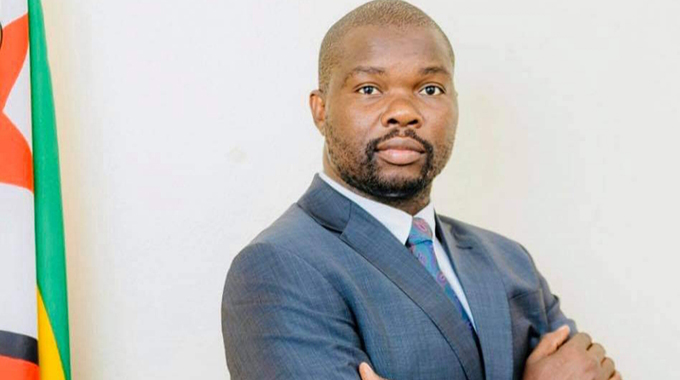
Thupeyo Muleya, Beitbridge Bureau
MINISTER of Youth Empowerment, Development and Vocational Training, Cde Tinoda Machakaire, has emphasised the importance of skills development in driving Zimbabwe’s economic growth and transformation.
Speaking at the “Skills2Live and Knows No-Borders Project” graduation ceremony in Beitbridge on Thursday, the minister highlighted the Government’s commitment to empowering youth through vocational training.
A total of 430 young people graduated in trades such as solar technology, hotel management, and metal fabrication following a six months’ training programme co-ordinated by Young Africa Zimbabwe and supported by the International Organisation for Migration (IOM).
Among the trainees drawn from rural and urban wards of Beitbridge District, 76 percent were young female adults aged between 18 and 35 years, while 24 percent were young male adults.
In a speech read on his behalf by the Acting Director Vocational training and skills development in the ministry, Mr Ngonidzashe Madzimure, Minister Machakaire urged the private sector to mentor and employ the graduates as they represent the skilled workforce needed to modernise industries and strengthen the economy.
He encouraged the youth to take ownership of their skills and drive Zimbabwe’s industrialisation under Vision 2030.
“This occasion is not just a celebration of skills training; it is a powerful demonstration of our national commitment to youth empowerment and a tangible validation of our development agenda under the National Development Strategy 2 (NDS2),” he said.
“NDS2 places a strong emphasis on job creation, youth entrepreneurship and development, along with the creative industry, sports and culture. This underscores a fundamental truth — Zimbabwe is on a journey towards Vision 2030, aiming to become a prosperous and empowered upper middle-income society.
“This vision relies heavily on strategically empowering its people, particularly the youth. Job creation, entrepreneurship, and skills development are not optional pursuits, they are central pillars of inclusive economic growth, social cohesion and reduced inequality.”
The minister said the NDS2 was building on the foundations established under NDS1, which integrated youth, sports, and culture into the national development framework, while NDS2 specifically positions youth development and Zimbabwe’s cultural assets as catalysts for sustainable economic transformation.
He said through targeted policies, programmes, and partnerships—such as the collaboration between Young Africa Zimbabwe, the International Organization for Migration, and support from the Kingdom of the Netherlands—the country was unlocking the full potential of its demographic dividend.
Under NDS1, he said sustained economic recovery and enterprise growth led to an increase in formal sector employment, which reached 35.8 percent by the second quarter of 2025, exceeding the national target of 30 percent.
“However, despite this progress, unemployment continues to be a challenge, with 65 percent of employed individuals working in the informal sector. These realities remind us that while we have made progress, our work is far from complete,” said the minister.
“Youth development is a national priority in Zimbabwe. With over 67 percent of the population aged between 15 and 35, as indicated by the 2022 Population Census, our young people represent both a significant responsibility and a tremendous opportunity.
“During the National Development Strategy 1 (NDS1), youth participation in decision-making exceeded national targets and over three million young people benefited from leadership and empowerment initiatives.”
Machakaire also bemoaned the surge in cases of drug and substance abuse and hence skills development programmes serve as both economic interventions and powerful tools for prevention, protection, and social transformation.
Speaking during the same event, Young Africa Zimbabwe’s coordinator for Beitbridge Mrs Perseverance Ndou said the Skills2Live intervention perfectly aligned with the core goal of the ‘HIV Knows No Borders’ project that seeks to improve SRH-HIV outcomes among vulnerable populations, including migrants, young people, sex workers, survivors of GBV and Drug and Substance Abuse in migration-affected communities.
The project aims to reduce economic vulnerability to HIV and SRH challenges, through entrepreneurship, financial literacy and vocational skills training linked to livelihood/employment opportunities.
The most significant vulnerabilities reported by YVPs during the assessment and screening were the young people enrolled into the project for training reported vulnerabilities.
IOM Beitbridge head of sub office Mr Nhamo Muleya said the Sexual Reproductive Health and Rights HIV Knows No Borders (SRHR-HIV KNB) project was a regional project being implemented in six Southern African countries which include South Africa, Eswatini, Mozambique, Malawi, Zambia including Zimbabwe.


