

 Online Reporter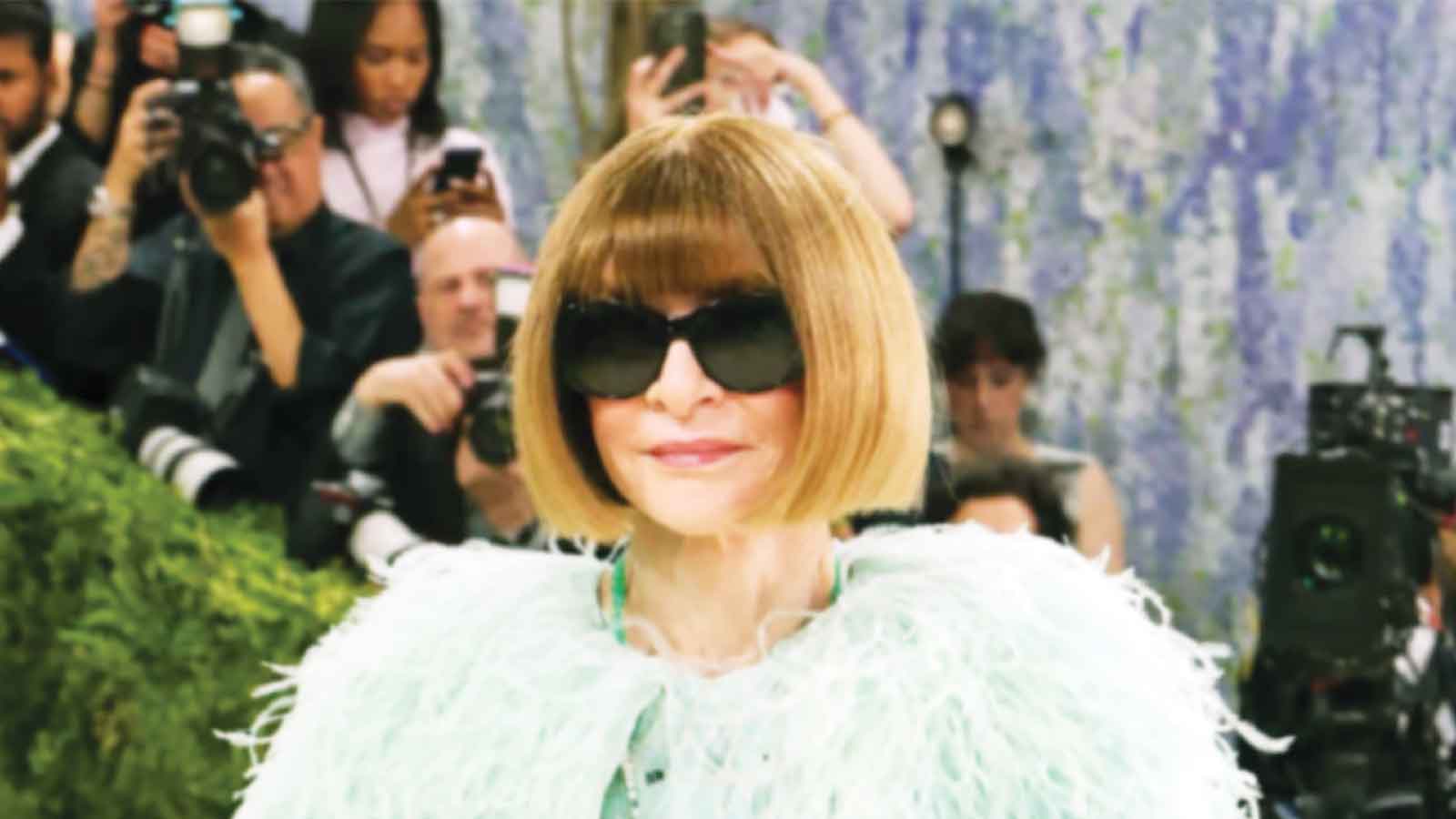
Tafadzwa Zimoyo
Zimpapers Entertainment Editor
SOCIAL media was set ablaze on Tuesday as images from the Met Gala flooded timelines, sparking admiration, debate and endless style critiques.
From dramatic couture statements to headline-making celebrity appearances, the event once again proved why it remains the most talked-about night in fashion.
But beyond the viral photos, what exactly is the Met Gala?
Hosted annually at the Metropolitan Museum of Art in New York City, the Met Gala is a high-profile fund-raising event for the museum’s Costume Institute.
Traditionally held on the first Monday of May, it marks the grand opening of the institute’s annual fashion exhibition — a showcase that often explores themes linking fashion, culture, history and art.
For the fashion industry, the Met Gala is more than just a red carpet.
It is a global stage of influence.
Designers, brands and celebrities use the moment to make bold statements, debut creative collaborations and shape fashion conversations for the year ahead.
Being featured is not just about style; it signals status, relevance and power within the global fashion hierarchy.
However, access to this glamorous world comes with strict rules and a hefty price tag.
Curated by Anna Wintour, who has overseen the event for decades.
Guests must adhere to the evening’s theme, often resulting in extravagant, theatrical interpretations. There is also a no-phone policy inside, aimed at preserving exclusivity, though leaks still find their way online.
And then there is the cost.
Individual tickets can run into tens of thousands of dollars, while tables are priced in the hundreds of thou-sands, typically purchased by major fashion houses and corporations.
In essence, the Met Gala is where fashion, money and influence collide, a dazzling spectacle that continues to captivate the world.
Every year, the Met Gala transforms the steps of the Metropolitan Museum of Art in New York City into fashion’s most watched stage. Marketed as the pinnacle of creativity and cultural dialogue, the event raises millions for the Costume Institute while setting the tone for global style conversations.
But beyond the spectacle lies a deeper tension, one that raises uncomfortable questions about access, representation, and who truly benefits.
Under the stewardship of Anna Wintour, the Met Gala has become a tightly curated ecosystem where celebrity, power, and legacy fashion houses intersect.
Invitations are scarce, tables cost hundreds of thousands of dollars, and the red carpet often becomes a showroom for the world’s most established European brands.
From Parisian couture giants to Italian luxury labels, the narrative is clear: heritage still dominates.
This is where the critique begins.
While the Met Gala claims to celebrate global fashion, its execution often leans Eurocentric. African presence, for instance, is frequently visible through celebrities rather than designers.
Stars of African descent arrive in bold, culturally inspired looks, but in many cases, those outfits are still created by Western houses interpreting African aesthetics, not African designers telling their own stories.
Take recent years as an example: African celebrities have increasingly used the platform to honour their roots, incorporating traditional fabrics, silhouettes, and symbolism. Yet only a handful of designers from the continent have consistently broken into that elite circle. The imbalance raises a critical question — is the Met Gala amplifying African culture or simply consuming it?
Still, it would be unfair to dismiss the event entirely.
The positives are undeniable.
The Met Gala is one of the most powerful visibility engines in fashion.
A single appearance can redefine a designer’s career overnight. When emerging brands, including a few from outside Europe and North America, are featured, they gain access to global markets, celebrity endorsement, and media attention that would otherwise take years to build. This year, there were signs of progress. A small but noticeable shift saw newer and more diverse designers step onto the carpet, dressing high-profile guests and challenging traditional dominance. These moments suggest that the Met Gala is not static but is evolving, albeit slowly. Moreover, the event’s charitable core cannot be ignored.
As a fundraiser, it supports the preservation of fashion as an art form, funding exhibitions that often explore cultural themes from around the world.
In that sense, it does contribute to global storytelling at least within the museum space.
But the negatives remain just as strong.
Access is the biggest barrier.
The cost of participation alone excludes many designers from developing regions, including Africa.
Without corporate backing or celebrity connections, even the most talented creatives struggle to secure a seat at the table literally and figuratively.
There is also the issue of narrative control.
Western institutions still decide which cultures are highlighted and how they are interpreted. This creates a cycle where non-Western fashion is curated through a Western lens, rather than presented authentically by its originators. For Africa, the takeaway is both a challenge and an opportunity.
The continent boasts a rich, diverse fashion ecosystem, from intricate textiles to avant-garde designers pushing boundaries.
But talent alone is not enough.
Strategic investment, global partnerships, and stronger industry structures are needed to position African designers on platforms like the Met Gala.
Rather than waiting for inclusion, Africa can actively claim space.
Because in the end, the Met Gala is not just a red carpet, it is a power map of the fashion world. And until that map becomes truly global, the question will persist: is it a celebration of diversity or a well-dressed illusion of it?



