Online Reporter
Bruce Ndlovu
Society Reporter
WHEN Ammara Brown released the song “Akiliz” in 2017, it seemed as if the stars were finally aligning for women in local showbiz.
Following her earlier smash hit “Mukoko” with Tytan, “Akiliz” seemed to announce the arrival of a mega-superstar.
Finally, it appeared, the music industry had a queen who could perhaps, with more consistency, rival Winky D and Jah Prayzah, the two juggernauts already grappling for the title of Zimbabwean music’s top dog.
Eight years later, it looks like a lot has changed.
Jah Prayzah and Winky D have cemented their positions at the top of the Zimbabwean music pyramid, scaling heights that are considered insurmountable for other local performers.
The two have become bona fide superstars, titans whose names command considerable respect and awe.
The Barefoot Goddess, as Ammara is popularly known, is still loved as ever, but her achievements, in comparison, are dwarfed by those of these two giants. A few years ago, Ammara appeared to have fallen completely off the radar, leading her considerable legion of followers to ask: “Where is Ammara Brown?”
Earlier this year, they finally got their answer, as the musician revealed that she was now not only married, but also expecting a child.
“I was at the end of completing my sophomore album but stopped all work when I became pregnant,” she revealed in an interview.
“This was to create an environment of peace for my ‘little lotus’ and me to nest. The sacrifice has certainly been worth it.”
Nuptials, baby showers, gender reveals and breastfeeding have been on Ammara’s menu over the last few years, as she transitioned to a different stage of her life.
While marriage and motherhood should be celebrated, her experience brought to the fore the difficulties faced by women in showbiz, who must perform a delicate tightrope walk, balancing their roles as mothers with the desire to progress in their careers.
Motherhood: An extra hurdle
Poet and thespian Nomashawekazi “Lady Tshawe” Damasane, who is also the City of Bulawayo’s arts, culture and heritage officer, said, for female performers, motherhood is an extra hurdle for artistes who already have many barriers to overcome.
“Motherhood poses a significant challenge for performers because there is a lot that female artistes have to deal with before that is thrown into the mix,” she said.
“You may find that female performers might struggle to find consistent and reliable care for their child if they want to go out and perform at a gig. In my case, I did not get to suffer much from this because, when I was pregnant, it was during the Covid-19 era and there were few performances available; we were mostly at home.”
Lady Tshawe said after her own pregnancy, she had tried her best to get back on her feet, but was at times pulled back by the desire to rush back to her toddler.
“After I gave birth and I started getting back into the thick of things in the arts, it became a matter of me just being stubborn and saying I really now need to get back on my feet. If I do not do this, I will not get opportunities.
“However, despite my stubbornness, I had these thoughts in my head because, while you are out there, you are thinking, ‘I need to go back to my child.’ If you are breastfeeding, that is something that is also always on your mind,” she explained.
Lady Tshawe said, unlike other sectors that recognised the demands of motherhood, the arts and showbiz seemed to be lagging in terms of appreciating the needs of breastfeeding mothers.
“Sometimes, we do not consider these things when we are at these events,” she noted.
“If you look at other industries, they have dedicated rooms where mothers can breastfeed their children. Those facilities allow them to bring children to their work facilities. It gives the mother a source of security, knowing that they can work while their child is secure.
“I think seeing people going to these lengths to help mothers who need to work is encouraging and that is something that we need in the arts.
“The difficulties are there but I also think it all depends on the individual and how they want to manage their motherhood journey.
“For me, striking a balance was difficult at first because I had never been a mum before,” she added.
Five years into this journey, she said, she has finally managed to have a routine and schedule that allows her to go to the office during the day, do gigs in the evening and do rehearsals on weekends without compromising the quality time she spends with her child.
The thespian said tradition and general expectations mean that female performers might remain a step behind their male counterparts in the future.
“You find that due to our traditions, we find it hard to accommodate mothers because the assumption is that they need to handle certain responsibilities first before they can think of any other thing.
“So, we end up at a disadvantage because, as a mother, I am conscious about what is expected of me, whereas my male counterpart, who has just become a father, does not necessarily have those pressures,” she said.
Showbiz momentum challenge
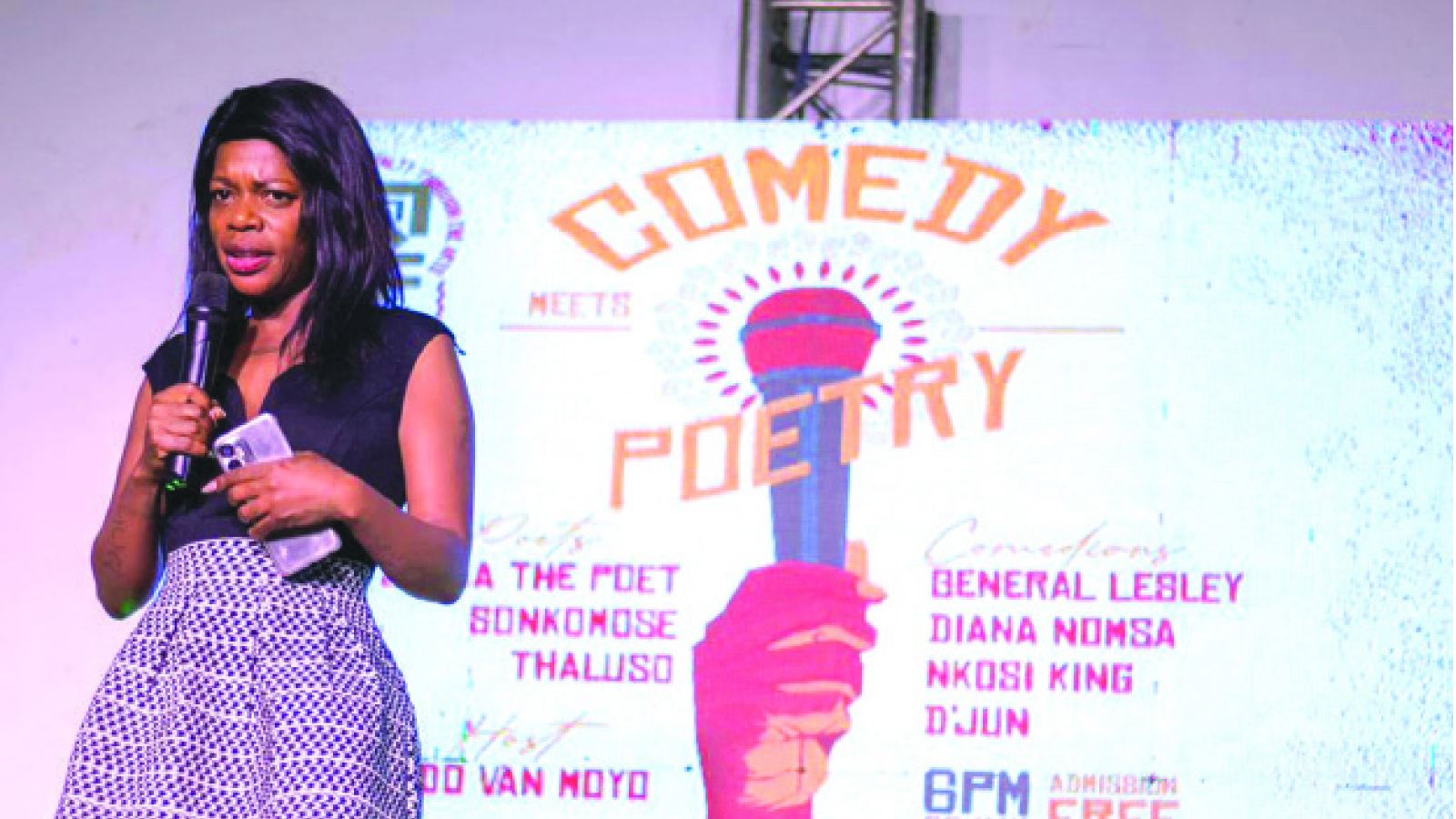
Her sentiments were echoed by singer Sharon “SimplyShayy” Chikuni, who noted that showbiz does not allow a vacuum, as changing trends and sounds mean that even a two-year hiatus can put female artistes at a considerable disadvantage.
“I cannot be on stage when my child is just a toddler because they become my primary worry. This is why, in terms of female performers, an artiste will come, set the world on fire and then just disappear.
“Afterwards, you just hear that they have given birth. For the nine months that they are pregnant, they do not work like other women because it is difficult to be on stage when one is with child.
“Even after giving birth, life is still difficult because we will still be nursing some pains afterwards. Men make babies, but they just do not go through what we go through,” she said.
Chikuni said sometimes it feels like nature itself is in battle against women, as it is not realistic to expect them to keep up with the same work rate on stage after giving birth.
“As female artistes, we do face challenges when it comes to pregnancy, giving birth and life after birth. If you get pregnant in other professions, you get maternity leave after you give birth because there is an understanding that you cannot function well after that ordeal. However, showbiz is all about momentum and if you take time off after giving birth, the entire landscape changes and you find that you have lost ground,” she added.
Comedienne Nomsa Dee said, when it comes to motherhood, there is no hiding place for women, as nature compels them to be close to their little ones.
“From the moment a child is conceived, right until birth and breastfeeding, it is totally aligned and reliant on the mother,” she said.
“So, while we want to progress with our careers, we have to face the reality of the burden nature imposed on us. A child stays in a mother’s womb for nine months for a reason.”