Online Reporter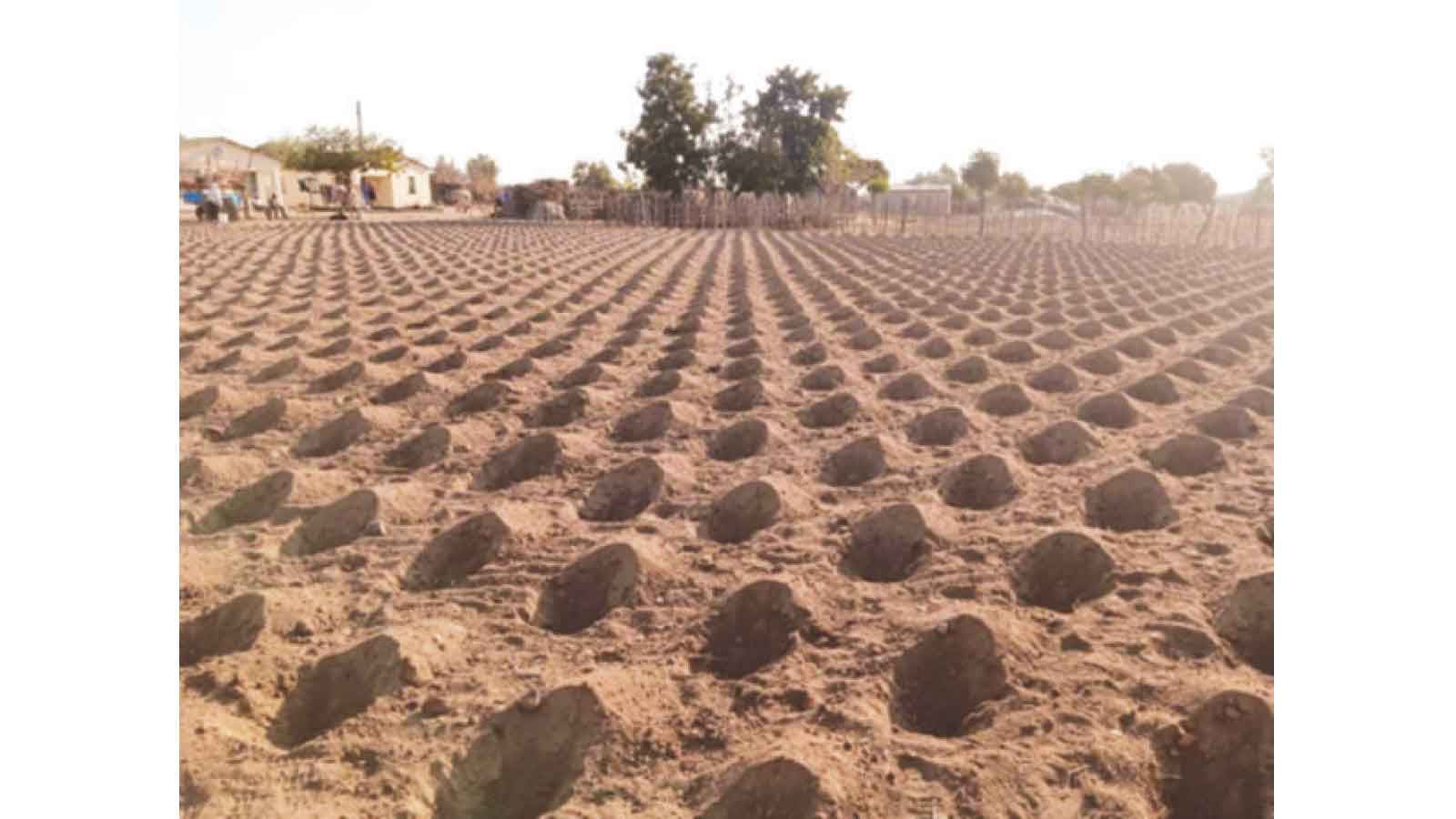
Lonster Mutata
Herald Correspondent
FARMERS across the Midlands Province are stepping up preparations for the 2026–27 summer cropping season, with more producers opening Pfumvudza/Intwasa plots, gathering mulch and embracing mechanised land preparation in response to expectations of a potentially drier season.
The province has targeted 121 432 hectares of cereals under Pfumvudza/Intwasa, with 63 percent earmarked for traditional grains such as sorghum and millet, placing climate resilience at the centre of its production strategy.
The preparations are part of a broader national drive to expand the climate-smart programme, with Government targeting one million hectares under Pfumvudza/Intwasa countrywide, up from 718 000 hectares last season.
The Permanent Secretary for Agriculture, Mechanisation and Water Resources Professor Obert Jiri recently described Pfumvudza as a key component of the country’s response to increasingly difficult weather conditions, urging farmers to prepare their plots well before the rains.
“Pfumvudza is a climate-proofing agenda,” Prof Jiri said.
In Midlands, farmers have already begun acting on the advice.
Midlands provincial agricultural director Ms Busiso Olga Mavankeni said yesterday farmers in several parts of the province had started potholing and establishing mechanised Pfumvudza plots, while others were stockpiling mulch ahead of the coming rains.
“Farmers have already started potholing and preparing mechanised Pfumvudza plots in several parts of the province,” said Ms Mavankeni.
Some farmers have already prepared between one and eight plots, reflecting growing appreciation of the need to complete land preparation before the start of the rainy season.
The province is encouraging farmers to adopt the four-plot model, comprising cereals, legumes, oilseeds and fodder.
The model is designed to provide households with food, nutrition, income and livestock support while spreading production risks.
“It is important that farmers prepare all four plots because each has a specific role in household food and livelihood security,” Ms Mavankeni said.
Traditional grains are also being prioritised because of their ability to perform relatively well under dry conditions.
“Traditional grains are important for our farmers because they are better suited to areas where rainfall can be erratic,” Ms Mavankeni said.