Online Reporter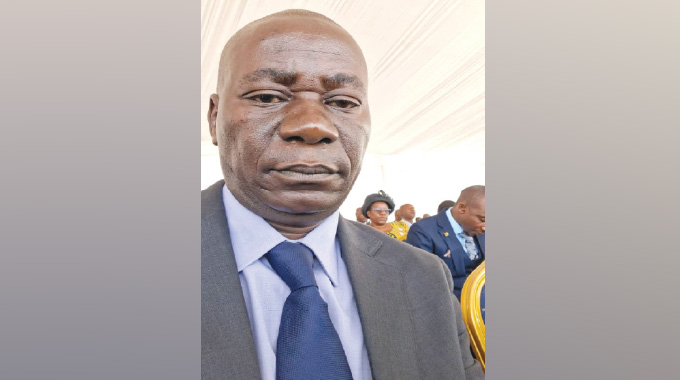
Patrick Chitumba, Zimpapers Writer
MORE than 55 000 households in Midlands Province have been connected to the national electricity grid over the past five years, bringing power to homes, schools, clinics and businesses in what marks a significant Government push to narrow the long standing urban-rural development divide.
The far reaching electrification drive, which has seen roughly 55 000 households linked to the grid, is a key pillar of Vision 2030 and the National Development Strategy 1 (NDS2). Both frameworks prioritise universal access to modern, affordable and sustainable energy as a foundation for economic growth, social transformation and industrialisation.
For decades, many rural communities lagged behind urban centres in access to electricity, limiting opportunities in education, healthcare delivery and agro processing. Expanded power access is now unlocking new livelihood opportunities while improving quality of life for thousands of citizens across the province.
Midlands Provincial Director for Economic Affairs and Investment in the Office of the President and Cabinet, Mr Kosheni Mtisi, said the Second Republic had deliberately placed electrification at the centre of its inclusive development agenda.
“The Second Republic has provided an enabling environment for individuals, schools, churches and private players to electrify their premises in line with Vision 2030. The Second Republic is saying no one and no place should be left behind in electrification,” he said.
Mr Mtisi added that Government funded electrification programmes typically cover the full installation of electricity infrastructure, including poles and grid connections, right up to school premises, significantly easing the financial burden on communities.
He said that under NDS1, more than 800 kilometres of power transmission and distribution lines were constructed across the province, while off grid energy solutions were also rolled out to complement conventional supply.
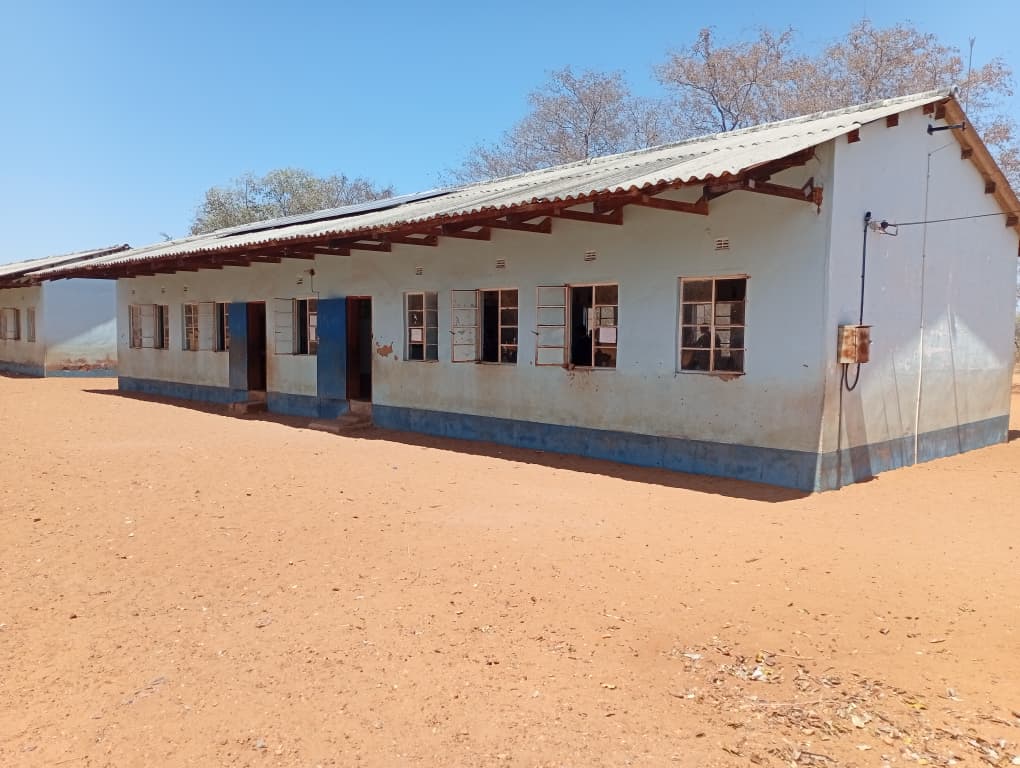
Through the Rural Electrification Fund, solar micro grid systems were installed at health institutions such as Donsa, Malisa and Nyamhunga clinics, as well as at Musilahove Primary and Secondary School.
“In Kwekwe, a 15 kW, 220 V AC output solar plant and a 1,77 kilometre single phase wire network supplying Umelusi Primary and Secondary schools were completed at a cost of US$347 368,” he said.
Mr Mtisi noted that about 300 primary health facilities across the province were solarised through the installation of solar systems, enhancing service delivery and ensuring continuity of care during power outages.
In addition, more than 50 biogas digesters were constructed throughout the Midlands, providing a sustainable alternative energy source while reducing reliance on the national grid.
The electrification programme has been complemented by investments in education infrastructure. Mr Mtisi said 117 schools were renovated, expanded or newly established during the same period to improve access to quality education.
“These include modern schools such as Neta in Mberengwa, Budiriro Primary School, Nyamuroro in Gokwe North, Chana B and Shabani Mine Primary School and Somabhula Secondary School,” he said.
A total of 330 classroom blocks were constructed at schools across the province, including Zvikombe Primary in Gweru, Mtora Primary in Gokwe North, Riverside Primary in Kwekwe and Machingwe Secondary in Mberengwa.
In line with the Education 5.0 policy, Midlands State University (MSU) established key innovation and research facilities, including Innovation Hubs, the National Pathology Research Centre, the University Language Centre, an Industrial Park, a Herbal Pharmaceutical Plant and a new Main Library in Gweru.
“The Emmerson Mnangagwa Law School was commissioned by His Excellency, the President Dr ED Mnangagwa while 500 teachers’ houses across the Province were construct,” said Mr Mtisi.
Youth development has also been prioritised, with the reopening of Dadaya Youth Service Centre, which has recruited more than 500 youths.
Mr Mtisi said 95 380 youths were trained in vocational and entrepreneurial skills under the Vocational and Enterprise Skills Development Programme, while about 30 youth focal desks were established to promote youth participation in economic and cultural activities.
He added that more than 50 intangible cultural heritage elements — including traditional salt purification, fire creation methods and totemic practices — were documented, alongside increased participation in sport and recreation through workplace health and fitness programmes.
On social protection, Mr Mtisi said drug and substance abuse awareness, prevention and management programmes reached over 46 000 people across the province, with all identified cases receiving treatment and rehabilitation support.