Online Reporter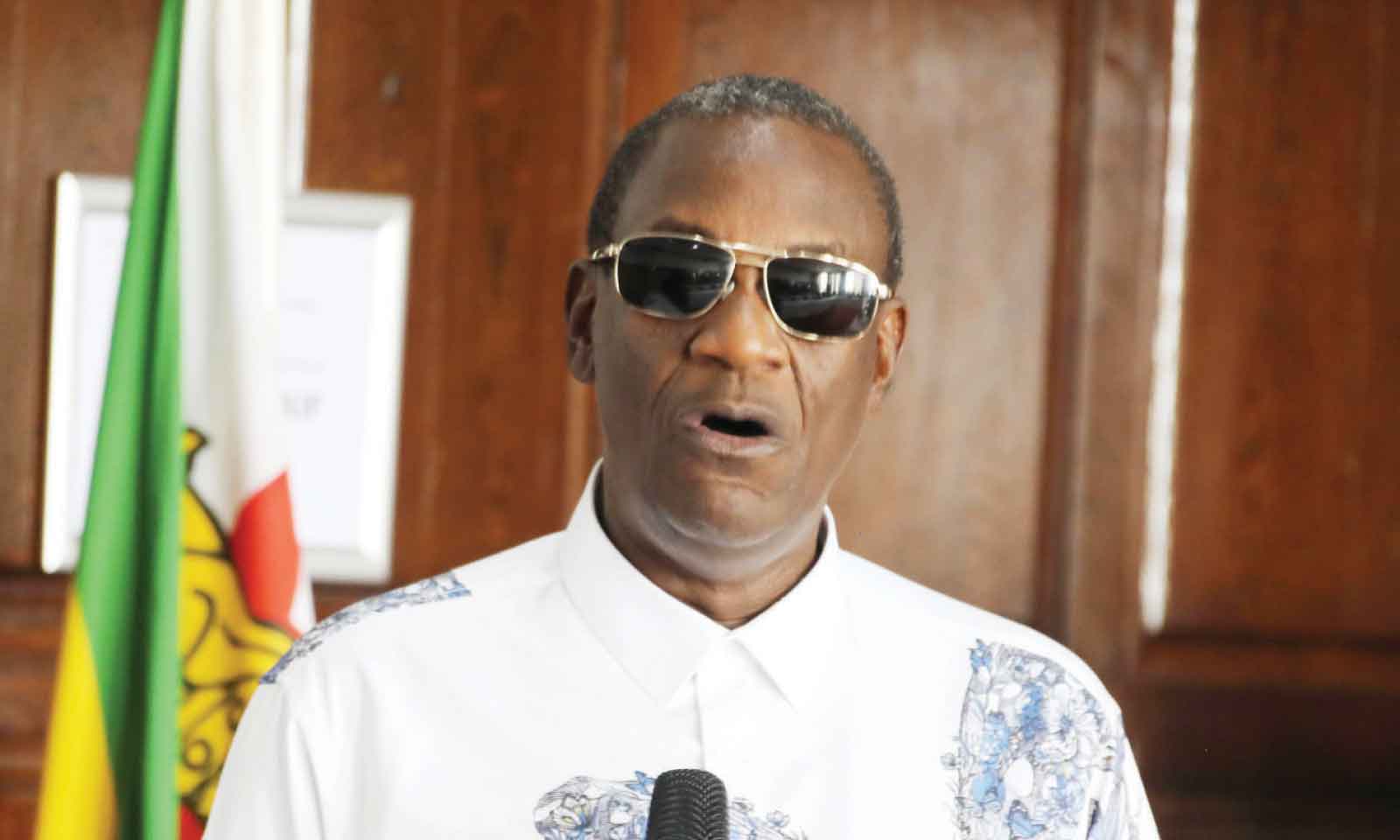
Raymond Jaravaza
Zimpapers Reporter
THE Midlands province has set an ambitious five-year strategic plan aimed at courting more investors and growing the local economy, riding on the successful implementation and completion of milestone projects under the Second Republic, which have changed the face of province and bolstered its Gross Domestic Product.
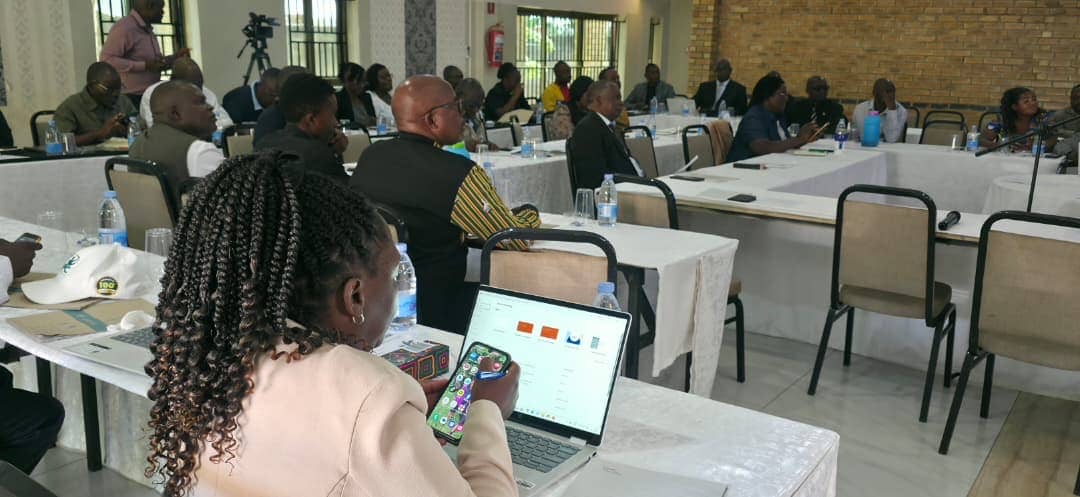
Midlands Minister of State for Provincial Affairs and Devolution, Owen Ncube, yesterday led the strategic planning review meeting held at a Bulawayo hotel that was attended by officials from the Office of the President and Cabinet (OPC) and other stakeholders.
Among other signature infrastructure development projects in the province that were completed during the National Strategic Development Strategy 1 (NDS1: 2021-2025) is the US$1.5 billion Dinson Iron and Steel Company (Disco) steel plant in Manhize near Mvuma.
Building on NDS1 strides, Zimbabwe is now implementing NDS2, which is envisaged to culminate in the achievement of an upper middle income economy vision by 2030.
The Manhize plant is among Africa’s biggest integrated steelworks and is being built by Disco, one of the three local subsidiaries of China’s global stainless steel producer, Tsingshan Holdings Group Limited.
The group also owns Dinson Colliery in Hwange in Matabeleland North and a ferrochrome plant, Afrochine Smelting Limited, in Selous.
Its implementation has created massive job opportunities and revitalised strategic value chains linked to steel.
“The province witnessed the construction of a state of the art Nembudziya Stadium, rehabilitated schools, clinics, established business units and massive road rehabilitation,” Ncube said.
“The province also bore witness to the commencement of production of pig iron, steel billets and re-bars at the Dinson Iron and Steel Manufacturing Plant following the completion of Phase 1 of the giant steel plant.
“On the agricultural front, a fully automated 56 000 capacity Grain Marketing Board (GMB) Silos were completed and commissioned in Kwekwe while the Emmerson Mnangagwa Law School was also built in Redcliff,” said Minister Ncube.
He said the successful implementation of the National Strategic Development 1 (NDS1), which yielded the completion of signature infrastructure development projects in mining, agriculture, manufacturing and tourism must be the guiding light for the province as it maps its strategies for the next five years (2026 – 2030).
“The broader objectives of the workshop resonate with the call by His Excellency Cde Dr E.D Mnangagwa during the last Cabinet meeting on 16 December 2025 that mechanisms should be put in place to ensure that the momentum gained during the course of the year is sustained,” said Minister Ncube.
“I applaud our committed, hardworking and loyal civic servants for diligently discharging their assigned duties and tasks, which propelled Midlands to attain the highest GDP (Gross Domestic Product) for rural provinces in 2024 according to Zimstats”
As part of a drive to boost tourism in the province, the Zhong Jing International Hotel in Redcliff, the Scenic Hotel in Shurugwi among other projects were completed.
“The completion of the Dream Inn Lodge, Sanja Shopping Mall and Conference Centre in Kwekwe contributed towards Zimbabwe’s ranking as the best country to visit in 2025 by Forbes Magazine.
“We also witnessed the commissioning of the Shurugwi/Mhandamabwe road, the surfacing of the Mataga road and the construction of bridges such as the Phoenix Dam bridge in Mberengwa, the Manhize – Munyati Bridge in Chirumhanzu, the Gunguhwe Bridge in Gokwe North and the Chemusonde Bridge in Gokwe South among many others,” said the minister.
He said the strategic planning review workshop should be used a platform to advocate for a high performance culture that promotes economic growth and competitiveness.
“A high performing public sector facilitates economic growth and competitiveness and accordingly the OPC should be outward looking and provide impetus for local economic development supported by institutional and regulatory frameworks that include the ease of doing business, corporate governance reforms and economic diplomacy,” said Minister Ncube.