Chronicle Editor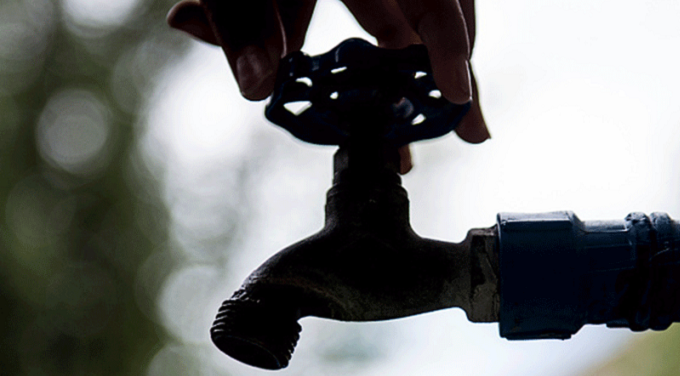
Thandeka Moyo-Ndlovu, Chronicle Reporter
THE Matabeleland Institute for Human Rights (MIHR) has bemoaned lack of access to water for informal settlement residents in Bulawayo saying it is posing a serious health threat in the midst of Covid-19 pandemic.
Bulawayo has three informal settlements and these are Ngozi Mine, Trenance Settlement and the Killarney Squatter Camp whose residents have in the past written to the council pleading for water assistance.
With Covid-19 new cases on the rise during this second wave of the pandemic, the residents from these settlements are at risk of contracting the deadly virus as they cannot practice the highly recommended hand hygiene.
The slum settlements popularly known as squatter camps have an estimated 360 families with a total of about 2 200 people.
Bulawayo has been facing acute water challenges since 2019 which has seen residents in other suburbs going for up to 144 hours without running water.
MIHR assisted the Ngozi Mine slum residents to petition the Bulawayo City Council to provide them with clean drinking water in 2020 and the petition was signed by more than 160 residents.
When the petition was presented to the ward councillor, he advised the residents that council does not recognise the Ngozi Mine settlement because it is illegal.
MIHR co-ordinator Mr Khumbulani Maphosa said council and the Government must work on the matter as that was a violation of the people’s human rights despite the fact that they are living in illegal settlements.
“It is a fact that Zimbabwe has been recording an increase in Covid-19 cases at a time when Bulawayo was facing water shortage problems and probably residents from these settlements were contributing to these high figures due to poor hygiene,” said Mr Maphosa.
He said acess to clean water was critical during this Covid-19 period as water is one of the essential ingredients to combat the spread of the corona virus through regular hand washing with clean running water.
Mr Maphosa said Bulawayo City Council has an obligation to provide clean water to its residents including those in illegal settlements in order to curb the spread of the pandemic.
He also said the country had a duty to implement provisions of the Sustainable Development Goals (SDGs) and the New Urban Agenda which emphasises the need to protect and promote the rights of slum communities.
“Specifically, SDG 11 Target 11.1 states that by 2030 countries including Zimbabwe must ensure access for all to adequate, safe and affordable housing and basic services and upgrade slums,” he said.
“Local authorities should provide access to clean, safe and potable water to slum residents as this is a fundamental right enshrined in the Constitution of Zimbabwe. Water provision is also essential for curbing and managing the spread of such pandemic diseases as Covid-19, cholera and diarrhoea.” — @thamamoe


 Online Reporter