Online Reporter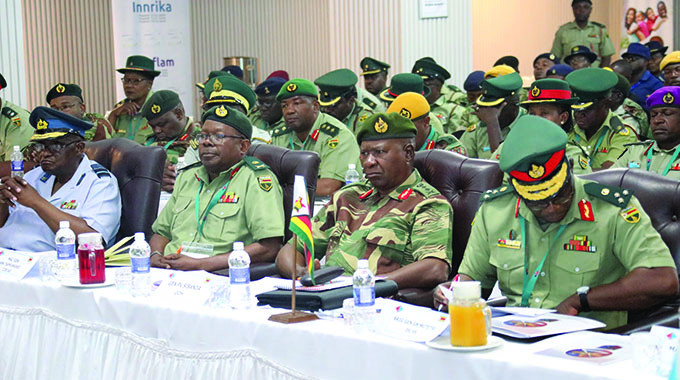
Peter Matika and Andile Tshuma, Zimpapers Writers
THE 12th annual Zimbabwe Uniformed Forces Health Services conference opened in Bulawayo yesterday with a stark call for increased government funding to combat the spread of HIV/Aids and other emerging health threats.
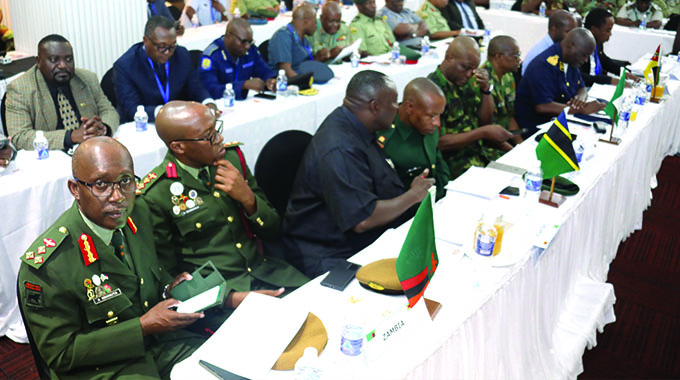
The three-day conference, held at a local hotel, has brought together senior military and health officials from across Southern Africa and beyond. Attended by delegates from SADC Member States, including Botswana, Zambia, Eswatini, Lesotho, Malawi, Mozambique, and Angola, the event also features representatives from East and West African nations like Kenya and Nigeria.
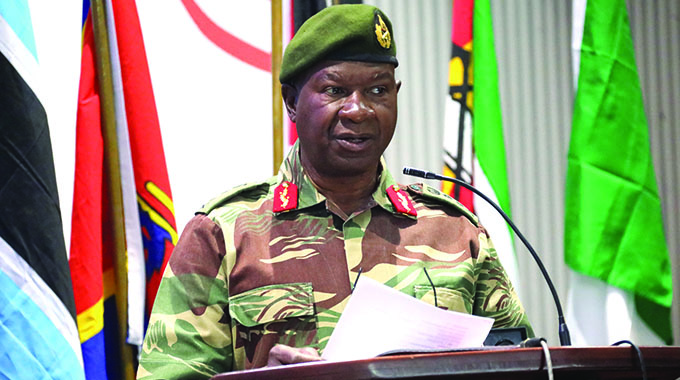
The gathering, led by Zimbabwe Defence Forces Commander General Philip Valerio Sibanda, aims to forge a collaborative regional roadmap to tackle pressing health issues. In his opening address, General Sibanda underscored the urgency of the conference’s theme, “Healthy Uniformed Forces: Addressing HIV/Aids and Contemporary Health Threats.” He stated that uniformed personnel face a “dual crisis” from persistent threats such as HIV/Aids, drug and substance abuse, mental health challenges, and the impacts of climate change.
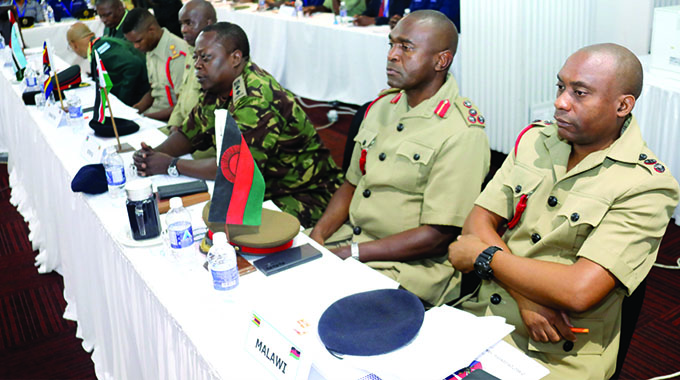
The conference is a critical platform for various health sector stakeholders to discuss comprehensive prevention and intervention strategies. Organisers highlighted the critical need for a coordinated response, citing a growing funding gap due to donor fatigue as a major obstacle to effective health programmes.
“These are not isolated challenges. They form a synergetic threat to our servicemen and women, operational readiness, and regional security. While we commend the progress made in the HIV and Aids response — such as wider access to antiretroviral therapy, reduced stigma, Aids education, and affordable interventions — we also note that new HIV cases continue to be recorded, albeit infrequently,” said General Sibanda.
He noted that uniformed forces remain vulnerable to HIV and Aids due to high-risk deployments, prolonged family separation, and stigma-related barriers.
“Despite the existence of national HIV/Aids policies in our countries, and while acknowledging the progress achieved, we must remain committed to fully addressing the realities our troops face,” he said.
He urged regional counterparts to prioritise prevention by ensuring stigma-free access to antiretroviral treatment.
Speaking at the same event, Director General of Health Services for the Zimbabwe Defence Forces, Brigadier-General Godfrey Mutetse, said the conference is designed to promote research within the uniformed forces.
“It is through this research that we develop policies and strategies to improve the health of our forces and communities, in collaboration with partners such as the Ministry of Health and Child Care, the National Aids Council, and other defence forces from the SADC region,” he said.
Also addressing the conference, National Aids Council Chief Executive Officer Dr Bernard Madzima highlighted ongoing efforts to strengthen Zimbabwe’s health systems.
“We have procured cancer medicines for a cancer clinic established at Parirenyatwa. We have also supported the Government’s forensic laboratory with equipment. My understanding is that some cases at that lab date back as far as 10 years, with some individuals still in jail awaiting forensic results,” he said.
Dr Madzima stressed that despite funding challenges, maintaining strong laboratory services and sustaining the HIV programme remain critical.
“In the long term, we must look to domestic resources, as reduced funding is already a reality. There is a need for increased Government budget allocations for health — not only in terms of the amount, but also in ensuring timely disbursements so the ministry can carry out procurements effectively,” he said.
He also emphasised the importance of integrating HIV services within broader health systems.
“The HIV programme has matured and achieved significant success over the years. The Ministry of Health can leverage this platform to address other issues such as non-communicable diseases, new pandemics, and substance abuse.
“We need programmes with community ownership. We must innovate, embrace technology, and, above all, collect data to assess programme efficiency and guide investment decisions,” said Dr Madzima.
His remarks, along with those of ZDF officials, underscore the urgent need for sustained funding, innovation, and regional collaboration to tackle both HIV/Aids and emerging health threats affecting uniformed forces and communities.
Dr Madzima also highlighted the importance of the conference as a platform for knowledge exchange on HIV and Aids, as well as broader health issues.
“We are using evidence-based information on HIV and Aids, but this year’s focus is also on health financing and the sustainability of HIV programmes. Funding has been reduced — in fact, support from the US Government has ceased. This has affected our supply chain for ARVs and laboratory commodities, and some health workers have been laid off.
“Through this platform, we are sharing information between the National Aids Council, the Ministry of Health and Child Care, and the uniformed forces to develop mitigation strategies in response to reduced funding. There is also a need for the Government to increase budgetary allocations to HIV/Aids and health in general,” said Dr Madzima.
He noted that uniformed forces, civil servants, and communities near border areas face unique challenges, with families often separated due to work commitments.
“The National Aids Council has implemented interventions to reduce new HIV infections through prevention programmes that promote behaviour change, abstinence, and condom use,” he said.


 Bongani Ndlovu