Online Reporter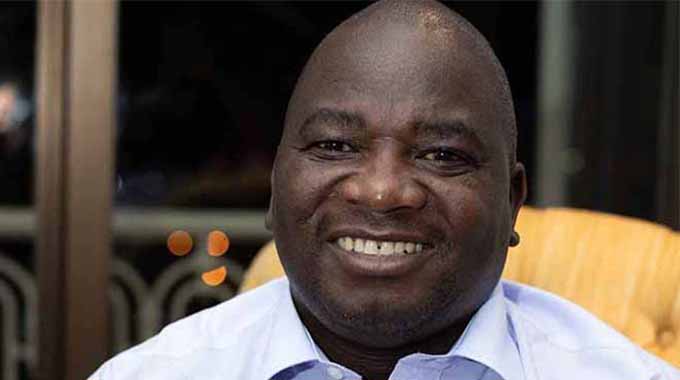
Zimpapers Correspondent
WORKERS at African Myth Mine in Filabusi in Insiza District have downed tools over alleged unpaid salaries spanning six months, sparking protests that have placed the gold mine under intense scrutiny.
The workers said they have continued working under contract despite not being paid for half-a-year, receiving only US$100 last week after a protest, a development they said pushed them to halt operations and confront management.
African Myth Mine owner Mr Aaron Chinhara is now facing mounting criticism as the protest unfolds against a backdrop of alleged harsh working conditions and unpaid wages, which miners said have forced many of their colleagues to leave the mine without receiving their salaries.
The miners staged a protest at the mine offices, demanding immediate payment of their outstanding wages.
They said management promised that salaries would be cleared following the demonstration, but no payments were made by the end of the day.
“We have worked for six months with nothing, and last week they gave us only US$100. It is insulting,” said one miner who requested anonymity for fear of victimisation.
“We have families to feed, school fees to pay and bills to settle. How are we supposed to survive?”
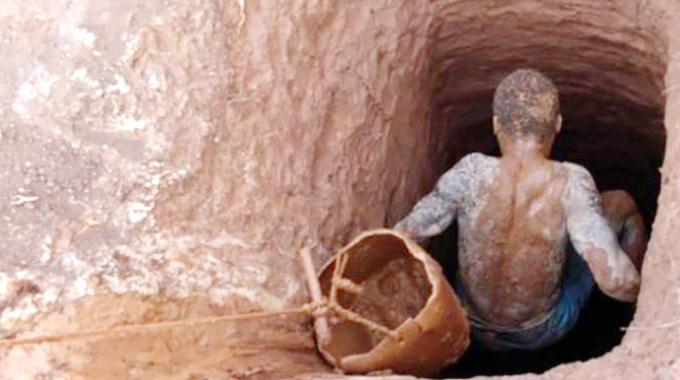
Another worker described the working environment as extremely harsh and said employees face daily risks underground without adequate compensation.
“Some of our colleagues have already left because they could not cope anymore. They left without being paid anything,” he said.
African Myth Mine, which reportedly employed more than 200 workers, now reportedly has a workforce of about 50, highlighting the impact of the ongoing wage dispute.
The reduced workforce has also raised concerns over operational safety and productivity at the mine.
Efforts to reach Mr Chinhara, who is also the owner of Glow Petroleum, were unsuccessful.
One of the mine’s executive directors, Mr Shepard Chivhuna expressed ignorance over the issue and requested that questions be submitted via email.
Mr Chivhuna later became evasive and said he had no permission to speak to the media.
Contacted for clarification on the alleged salary arrears, the mine manager, Mr Neville Ndlovu said he was not aware of any outstanding payments.
“From the time I joined the mine in August last year, the workers were being paid, but I am not sure if they were receiving their full salaries or not,” Mr Ndlovu said.
“I would not know if there is a backlog on salaries since I joined the company.”
The dispute reflected broader challenges in the mining sector, where workers frequently raise concerns over delayed wages, poor safety standards and exploitative contracts.
“Non-payment of wages is a serious violation of labour laws. It not only affects the livelihoods of workers but also undermines morale and productivity,” said another miner who also requested anonymity.
Local authorities have previously urged mining companies to ensure timely payment of salaries and strict adherence to workplace safety standards.
However, repeated complaints from miners across the country suggest enforcement remains weak.
The African Myth Mine protest has drawn attention to growing tensions between employers and workers in small and medium scale mining operations, where disputes over pay and working conditions are often handled internally, leaving workers with limited recourse.
Workers at African Myth Mine said they will not resume work until their salaries are fully paid.
“We are not going back underground until we receive what is owed to us. Unfortunately, we do not have a workers’ committee to represent us, but enough is enough,” said another worker.
With operations stalled and the workforce significantly reduced, the situation at African Myth Mine raises urgent questions about accountability within the mining sector and the capacity of authorities to protect workers’ rights.