Online Reporter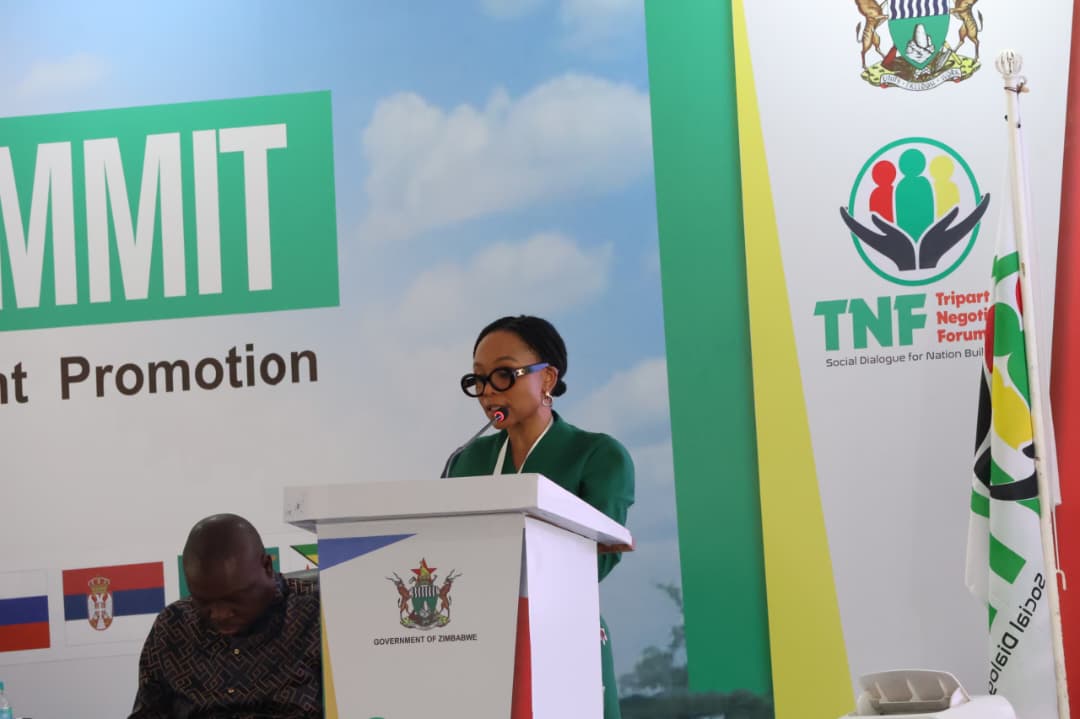
Theseus Mauruki Shambare in VICTORIA FALLS
ZIMBABWE must ensure its vast mineral wealth translates into decent jobs, productive industries and higher-value exports, the International Labour Organisation (ILO) has said.
ILO Country Director for Zimbabwe and Namibia Ms Philile Ntombikayise Masuku said the country’s push for mineral beneficiation and industrialisation should go beyond processing raw materials to ensuring workers and communities benefited through skills development, technology transfer and employment creation.
She was speaking ahead of the official opening of the inaugural Zimbabwe Tripartite Negotiating Forum (TNF) Global Summit in Victoria Falls, which is being held under the theme “Inclusive Growth, Decent Work, Beneficiation and Investment Promotion.”
Ms Masuku said Zimbabwe’s mineral resources, agricultural potential, youthful population and access to regional markets presented significant opportunities for economic transformation.
“The challenge is to turn these endowments into productive enterprises, higher-value exports, decent jobs, and rising living standards,” she said.
She said investment should strengthen domestic productive capacity through technology transfer, skills development, stronger local supply chains and decent employment.
“The question is not simply how much investment we attract, but what lasting jobs and opportunities it creates for Zimbabweans,” Ms Masuku said.
She said beneficiation should therefore be judged not only by the additional value generated from commodities, but also by its impact on people’s livelihoods.
“Beneficiation must do more than add value to commodities; it must add value to people’s lives,” she said.
Ms Masuku also linked Zimbabwe’s beneficiation agenda to regional integration, saying deeper participation in the Southern African Development Community and the African Continental Free Trade Area could expand markets, attract investment and strengthen regional value chains.
She said skills development would be critical as Zimbabwe develops emerging industries, particularly for young people and women.
Ms Masuku called for stronger links between education, training, investment and labour-market demand, alongside improved access to finance and practical work experience.
She said digitalisation and emerging technologies were also reshaping employment, making it important for workers’ rights, skills development and social protection to keep pace with economic transformation.
The TNF summit brings together Government, organised labour, business and development partners to deliberate on Zimbabwe’s economic transformation and the future of work.
Ms Masuku said the success of the summit should ultimately be measured by the partnerships strengthened, policies improved, investments mobilised and decent jobs created after delegates leave Victoria Falls.