

 admin
admin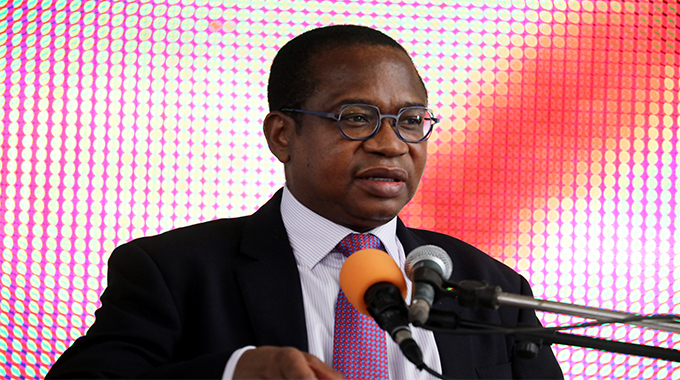
THE Chamber of Mines has appealed for Government intervention in addressing the failure by the power utility, Zesa, to maintain dedicated supplies to the mining sector, which has seriously crippled output.
The sector has indicated that output will this year drop by 30 percent as a result of power cuts and yet miners have signed electricity-supply contracts to ensure uninterrupted supplies.
The Chamber of Mines recently wrote to the Minister of Finance and Economic Development, Professor Mthuli Ncube, seeking help, stating that mineral production will fall by as much as 30 percent this year.
“Zesa Holdings has broken its promise to “ring-fence” supplies to miners. With some companies lacking power for three days a week, mineral production will fall by as much as 30 percent this year,” Bloomberg quoted a letter by the Chamber of Mines to the Minister.
“We are also appealing for increased power allocation to the mining sector in line with anticipated increased mineral production in 2020.” Contacted for comment, Chamber of Mines president, Mrs Elizabeth Nerwande-Chibanda, requested written questions and had not responded by the time of going to print yesterday.
Zesa acting chief executive officer Engineer Patrick Chivaura and the power utility’s spokesperson, Mr Fullard Gwasira, were not reachable on their mobile phones. In the 2020 national budget, Prof Ncube said: “Government is aware of challenges related to ring-fencing arrangements, retentions, gold deliveries to Fidelity Printers, among others, and these are receiving attention.”
Last month, President Mnangagwa launched a strategic roadmap to the attainment of a US$12 billion mining industry by 2023 as Government ramps up efforts to increase the sector’s contribution to the economy. The mining sector is critical in generating foreign currency, contributing about 70 percent of the country’s forex earnings.
However, electricity supply constraints have been one of the major challenges facing the economy with regards to stimulating production across all economic sectors. Zimbabwe’s demand for power hovers around 2 000MW against output of less than 1 000MW. The country is generating less due to ageing equipment and the prevailing drought conditions that have led to low dam levels at the major power plant, Kariba Hydropower Station.
As of yesterday, the Zimbabwe Power Company indicated on its website that the country was producing 707MW. The depressed power deficit has prompted Government to embark on extension works at its major power stations.
For instance, Hwange Power Station extension works involve construction of Units 7 and 8, which will see the plant adding 600MW into the national grid by the first quarter of 2021. — Bloomberg/Business Chronicle.


 Online Reporter