Online Reporter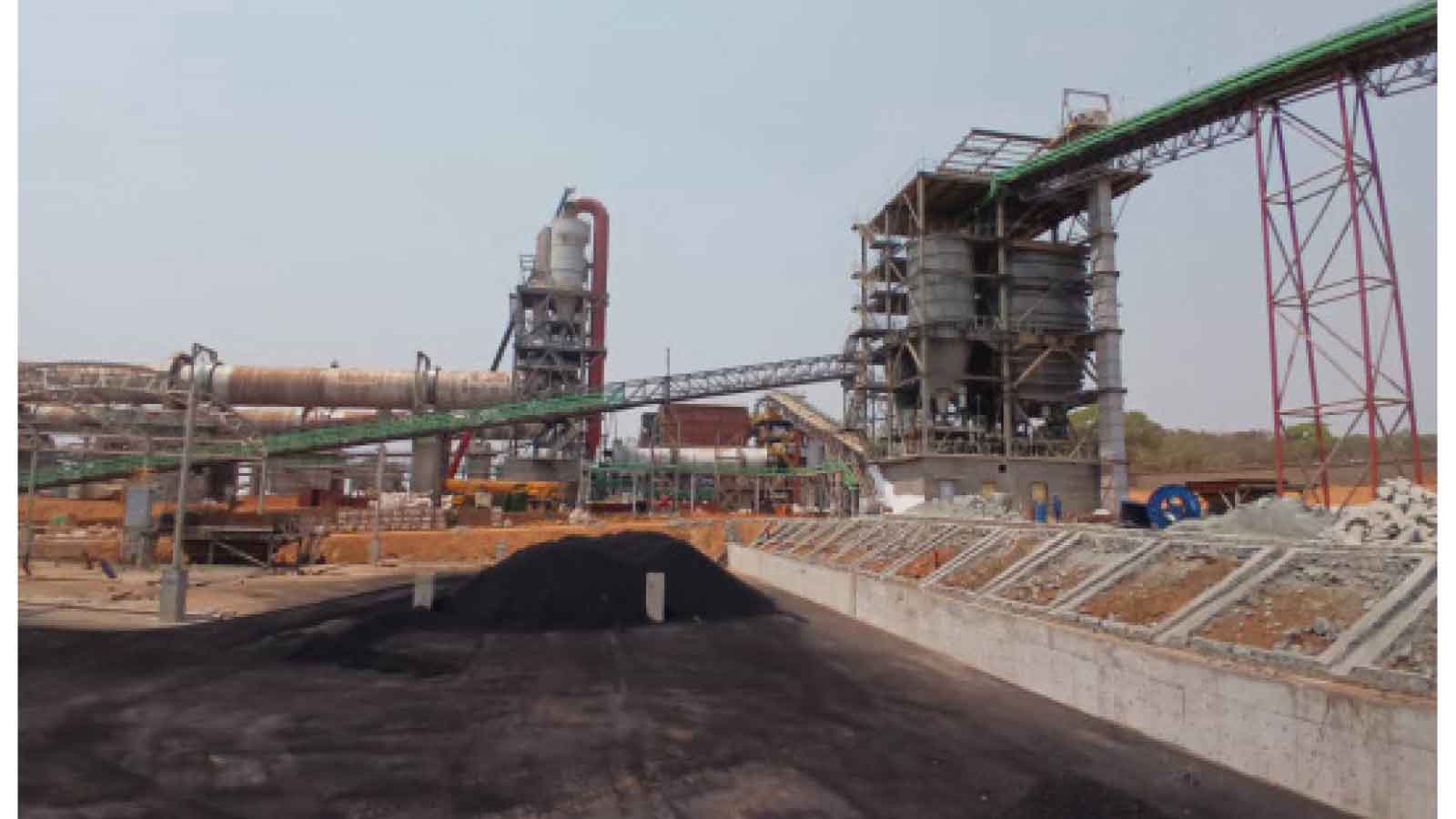
Mukudzei Chingwere recently in BULAWAYO
ZIMBABWE’S mining sector is showing clear signs of strengthened growth, with total mineral export earnings reaching approximately US$5,73 billion in the first half of 2026 — a performance driven by the government’s intensified focus on local beneficiation and broader participation by Zimbabweans in the extractive industry.
Speaking at the official opening of the 2026 Mine-Entra exhibition in Bulawayo last Friday, Mines and Mining Development Minister Eng Polite Kambamura said the progress reflects a clear policy direction that natural resources must be developed responsibly, Zimbabweans must meaningfully participate in their exploitation, and minerals must anchor value addition, industrialisation and broad‑based prosperity.
Of the US$5,73 billion in first‑half mineral export earnings, US$2,532 billion was marketed through the Minerals Marketing Corporation of Zimbabwe, while gold accounted for approximately US$3,20 billion.
Excluding gold and silver, mineral exports surged by 84,7 percent year‑on‑year, rising from US$1,37 billion in the corresponding period of 2025.
Minister Kambamura described the performance as a record improvement and said the government expects to surpass both its 2026 annual targets and the US$8,6 billion in mineral revenue achieved last year.
“We are moving away from exporting high mineral volumes of low value to exporting small mineral volumes of high value,” said Minister Kambamura.
Gold deliveries between January and June 2026 totalled 21,4 tonnes, with small‑scale miners contributing 14 tonnes — or 70 percent — of that total.
The Minister reaffirmed the government’s commitment to formalising, financing, equipping and supporting small‑scale operators, describing the sector as a vital livelihood base that sustains well over one million Zimbabweans.
On value addition, Minister Kambamura noted that Zimbabwe has taken decisive measures to ensure minerals are processed locally before export.
In February, the Government banned the export of unbeneficiated minerals, a move he described as a declaration of national industrial intent.
“Zimbabwe cannot and will not continue exporting its raw wealth only to import finished value at a much higher cost,” he said.
He pointed to several signature projects now taking shape across the country as evidence of growing investor confidence in this vision.
The Dinson Iron and Steel Plant at Manhize is integrating mineral extraction, energy and steel production, with plans to extend beyond pig iron and billets to pipes, industrial wire, railway components, agro‑business raw materials and finished steel products for mining and other sectors. On lithium, the Arcadia Technology Zimbabwe Lithium Sulphate Plant — the first of its kind in Africa — marks a significant advance in local processing, while Kamativi Mining Company and Sinomine Bikita are also constructing lithium beneficiation plants.
Together, these developments lay a foundation for Zimbabwe to progress towards battery chemicals, energy‑storage systems and other products needed for the global transition to cleaner energy.
While celebrating the sector’s growing performance, Minister Kambamura cautioned that sustained investment requires a predictable operating environment.
He said the Government was modernising the mining regulatory framework, with the Mines and Minerals Act reform expected to be finalised before year‑end. Improvements to mining‑title administration through a computerised cadastre system are also underway to strengthen title security, reduce disputes and improve licensing so that prospective ground is allocated to credible investors.
Describing Mine‑Entra 2026 as a platform where industry can view exploration technologies, smelting and beneficiation systems, engineering solutions, digital innovations and transport infrastructure, the Minister emphasised that collaboration between mining firms, local banks, pension funds, development‑finance institutions and international investors is essential, as mining requires long‑term, patient capital.