Online Reporter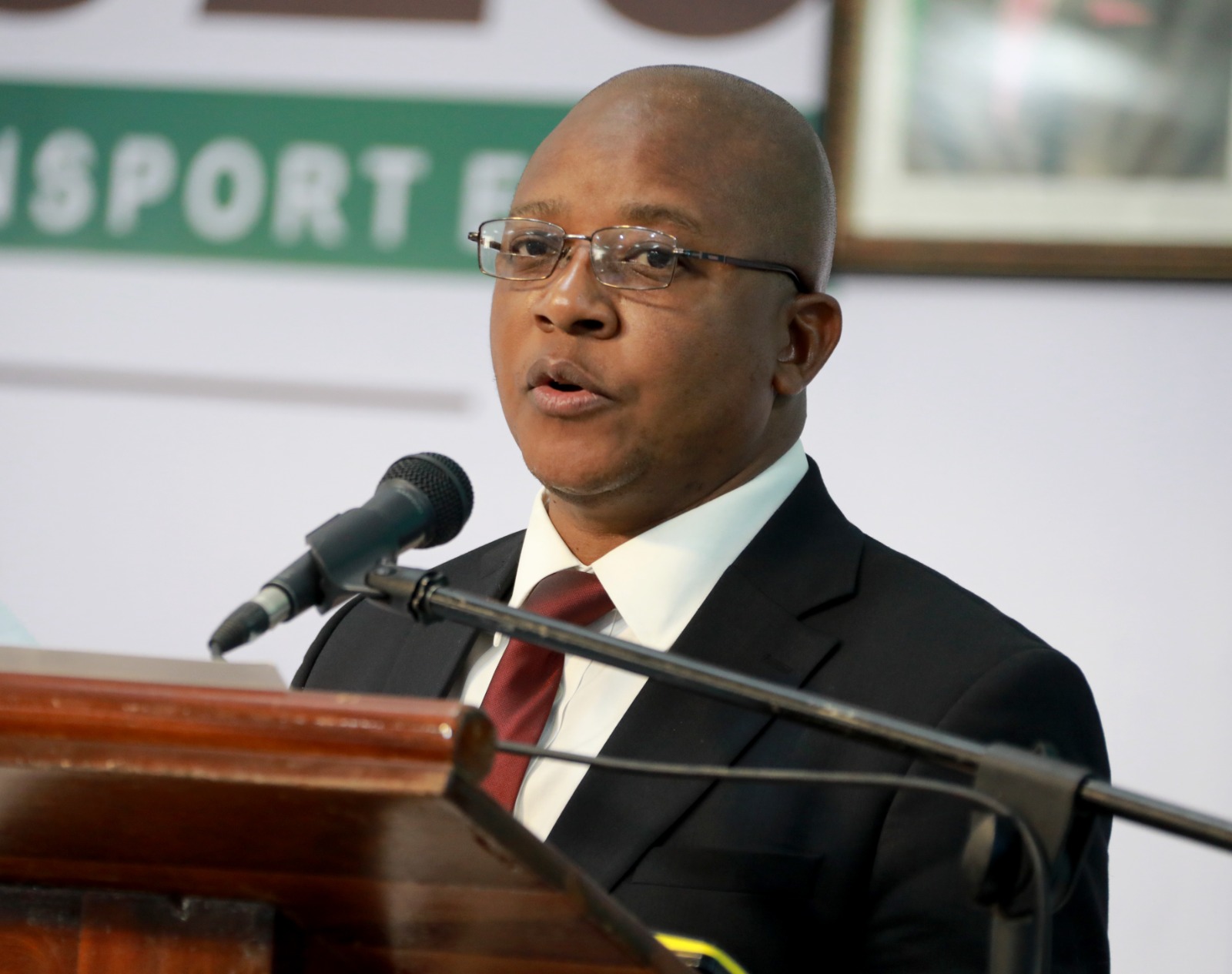
Sikhulekelani Moyo
[email protected]
The progress being recorded in Zimbabwe’s mining sector is the result of deliberate Government policies aimed at ensuring the country’s mineral resources are developed responsibly, Zimbabweans participate meaningfully in the industry and mining drives industrialisation, Mines and Mining Development Minister Dr Polite Kambamura has said.
Officially opening the 29th Mine Entra Conference and Exhibition in Bulawayo on Friday, Dr Kambamura said this year’s theme, “Unearth, Transform, Prosper: Anchoring Economic Transformation through Mining Value Chains,” reflects Government’s strategy for the sector.
“The progress we are witnessing across the mining industry is not accidental. It is the result of the clear direction that we have articulated, that Zimbabwe’s natural resources must be developed responsibly, that Zimbabweans must participate meaningfully in the exploitation of their resources, and that our minerals must anchor beneficiation, industrialisation and broad-based prosperity,” he said.
Dr Kambamura said Zimbabwe’s mining industry continues to post strong growth, with total mineral export earnings, including gold, reaching approximately US$5,73 billion during the first half of 2026.
Of the total, US$3,25 billion came from gold exports, while US$2,73 billion was generated by other minerals.
“At the current rate, we are on course to surpass both the 2026 annual target and the US$8,6 billion recorded for the whole of 2025,” he said.
The Minister said 21,7 tonnes of gold were delivered between January and June this year, with small-scale miners contributing 14,9 tonnes, highlighting their growing importance to the sector.
“We are moving away from exporting high mineral volumes of low value to exporting small mineral volumes of high value,” he said.
To deepen local participation, Dr Kambamura said Government has reserved the small and medium-scale gold mining sub-sector for Zimbabweans.
“This policy is intended to place our people at the centre of an accessible part of the global economy, while encouraging foreign investors with substantial capital, technology and technical expertise to invest in exploration, large-scale mining and beneficiation,” he said.
He said Government remains committed to value addition and beneficiation, in line with President Mnangagwa’s February 2026 directive banning the export of unbeneficiated minerals.
“Zimbabwe cannot and will not continue to export its raw gold only to import finished value at a much higher price,” said Dr Kambamura.
He said Government is targeting to increase local procurement by the mining sector from the current 15 percent to more than 50 percent, creating stronger linkages between mining and local industries.
Dr Kambamura highlighted several flagship investments as evidence of growing investor confidence in Zimbabwe’s mining industry.
These include the Dinson Iron and Steel Plant in Manhize, which integrates mining, energy generation and steel production and is expected to expand into the manufacture of pipes, railway components and other finished steel products.
He also cited the Zimbabwe Lithium Sulphate Plant — the first such facility in Africa — which made its first export shipment in April this year, while Kamativi and Sinomine Bikita continue advancing lithium beneficiation projects.
“These developments establish a foundation for Zimbabwe to progress toward battery chemicals, energy storage systems and other products required by the global transition to cleaner energy,” said Dr Kambamura.