Chronicle Editor
Judith Phiri, Business Reporter
OVER the years several economic gains have been witnessed after Zimbabwe gained independence from colonial rule, sectors such as mining have since risen to become the backbone of the economy.
The country will next month be marking 43 years of independence. And 18 April reminds people of all the sacrifices made by the freedom fighters in order to set Zimbabwe free from British rule.
It is the day marking the re-birth from foreign rule after nearly a century as an occupied people. Under the Second Republic, the mining industry has become one of the economic mainstays contributing about 70 percent of the country’s foreign currency earnings.
As for the Zimbabwe Miners Federation (ZMF), a government initiative to effect sustainable growth and meaningful transformation of the artisanal and small-scale mining industry, Independence Day symbolises liberalisation of the mining sector.

ZMF is Zimbabwe’s largest mining body with over 1,5 million members, that contribute an annual average of 60 to 65 percent of the total gold deliveries to Fidelity Printers and Refiners (FPR) the country’s sole gold buyer.
“Before independence mining was only for the white people as most farms where they were had minerals. Us, the indigenous people were not allowed to mine as you would find signages that would say trespassers will be prosecuted,” ZMF chief executive officer (CEO), Mr Wellington Takavarasha said in an interview.
He said it was until around 1991, when the Government of Zimbabwe adopted a market-driven Economic Structural Adjustment Programme (Esap) that most artisanal and small-scale miners entered the mining industry.
“Most of them started their mining operations or initiatives from 1991 to 1992 there around about that time. This is when the indigenous people mostly took up mining, though there were still some challenges for them to have their claims pegged. It was a challenge as the Mines and Minerals Act had some loopholes,” he added.
Mr Takavarasha said the contribution of small-scale miners in the country was not being recognised and there were no associations to represent them, hence the formation of ZMF in 2003. He said ZMF came about to represent, contribute to the development and growth of the artisanal and small-scale miners so that they could have a voice.
“If you look at Africa the first countries to have associations such as ZMF its was Zimbabwe followed by Zambia. As we went on the World Bank then started to assist people to have associations in countries like Tanzania, with Federation of Miners Association of Tanzania (FEMATA) which came later on around 2010. In countries like Kenya and Uganda we have been assisting them to formulate the associations,” he added.
Mr Takavarasha said ZMF has been the voice for small-scale miners to be able to sell their minerals to the Government and they were contributing 60 to 65 percent more than the large scale mines. He said initially the Mines and Minerals Act of 1961 did not cater for small-scale miners, but under the Second Republic, the new Mines and Minerals Amendment Bill incorporated them and covered gaps that were there in the former Act.
“The roles of artisanal and small-scale miners have clearly been sets out, which should aid their formalisation to curb leakages. We are also grateful to the Government for the mining industry loan funds that caters for artisanal and small-scale miners to develop their operations. For the first time in the budget, the Government also set aside US$10 million to assist artisanal and small-scale miners. There are a lot of things being done post-independence for miners to be assisted. Indigenous people are now able to mine various minerals such as chrome, tantalite and gemstones among others.”
Zimbabwe Institute of Foundries (ZIF) chief operations officer (COO), Mr Dosman Mangisi said the mining industry has contributed immensely to the economy post-independence.
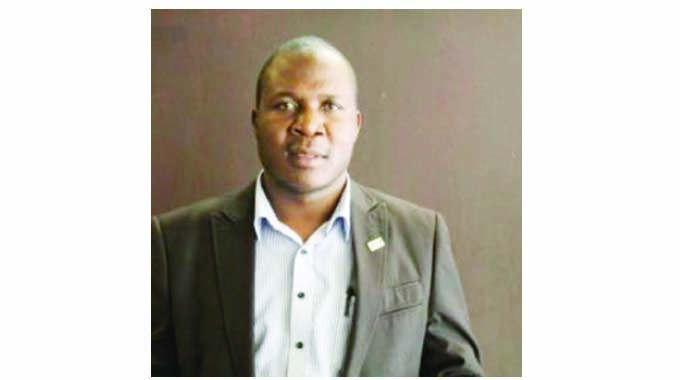
“With over 40 strategic minerals, mining plays a critical role in Zimbabwe. Miners rely on mining activities of minerals such as gold, chrome, diamonds, lithium and coal among others. The majority of Zimbabweans have got access to land and mining right with close to one million hectares of mining land in the hands of small and medium-scale miners, who are the indigenous people,” said Mr Mangisi.
He said this showed the efforts of the Government in liberalising the sector and making sure that the population of Zimbabwe or those interested in mining participate in the sector without any hindrances, while compared to the pre-independence era most mining companies were elite owned by the white community only.
Young Miners Foundation (YMF) chief executive officer (CEO) Mr Payne Kupfuwa said as young miners with the mining sector liberalised post-independence, their aim was to create more formal jobs and business opportunities in mining and its value chain for the youths.
“One of the key goals is increased formalisation and professionalisation of young miners to create more formal jobs and business opportunities in mining and its value chain for the youths. The sector is open for young miners to have established and formalised operations be it in gold, chrome, lithium and any other minerals, while also considering the value chain opportunities in the mining industry,” said Mr Kupfuwa.
He said formalisation of youth miners, was a critical development that would see them positively contributing to the attainment of the US$12 billion mining industry by year end. Meanwhile, Zimbabwe’s mining sector is registering unprecedented growth, for the first time in history, with earnings jumping to US$5,2 billion in 2021 from about US$2,9 billion in 2017, as positive gains continue to be realised from the Government’s economic reform agenda.
In 2019, Zimbabwe set out on an ambitious drive to more than quadruple the mining sector revenue by hauling minerals worth US$12 billion by 2023. Launching the US$12 billion mining industry roadmap, President Mnangagwa said gold is expected to contribute US$4 billion, platinum US$3 billion while chrome, iron, steel, diamonds and coal will contribute US$1 billion each. Lithium is expected to contribute US$500 million while other minerals contribute US$1,5 billion. Under this drive, the Government expects that by 2030, the mining industry will be generating upwards of US$20 billion.


 Online Reporter