


 Andrew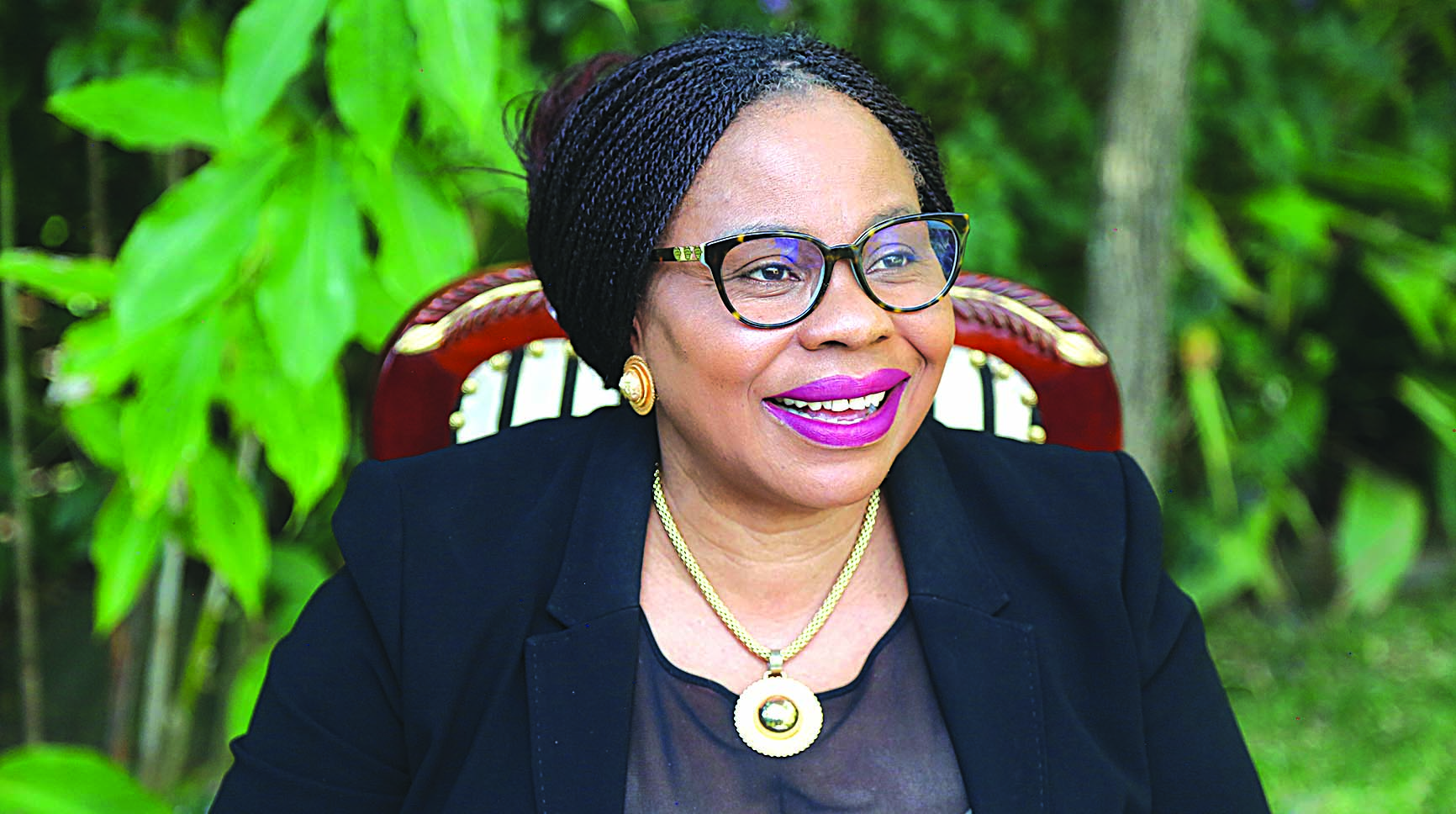
Veronica Gwaze
A MERE glance at her tells the story of an elegant lady, resplendent with all the modern day panache.
However, deep underneath lies a gallant fighter, whose scars from the liberation war are still fresh.
Information, Publicity and Broadcasting Services Minister Monica Mutsvangwa hails from humble beginnings and it was only through sheer bravery and hard work that she rose to become one of the most influential women in Zimbabwe today and the effervescent voice of the Zimbabwe Government.
As the world celebrates International Women’s Day this Tuesday, Minister Mutsvangwa took time to go down memory lane to share her inspirational story.
International Women’s Day is observed annually on March 8 to celebrate women’s immense contributions in various communities.
This year, the celebrations run under the global theme, “Gender equality today for a sustainable tomorrow”.
Ironically, the theme aptly sums up Minister Mutsvangwa’s rise from a 15-year-old rural girl who defied gender barriers to play a significant part in shaping Zimbabwe’s future.
Born Monica Parirenyatwa in Zimunya, Mutare in 1960 as the eighth born in a family of nine, she attended Gombakomba Primary and Mutambara High Schools.
In 1976, when she was in Form 3, together with her classmates Veronica Chigumira, Winnet Mupita and Sophia Munakandafa, she left home to join the liberation struggle.
It was during lunch hour when the three young girls each put on a dress under their school uniforms and left on a journey that would forever transform their lives.
Hygienic issues, she recalls, were secondary by that time, as the young girls were unwaveringly determined to join the struggle.
“We left but it was not an easy decision to take because making it to secondary school was a big achievement for my widowed mother but because of Smith’s ruthlessness, we felt the need to liberate ourselves,” Minister Mutsvangwa said.
“I did not say a word to my parents when I left so they had to come and collect my school trunk at the school, long after I had left.”
Minister Mutsvangwa recalls how they walked up and down the mountains for hours before getting to the Mozambican border where they met Frelimo soldiers.
The soldiers took them into their barracks before walking them into Mozambique the following day.
They walked for more hours before they got to Villa-Peri and later Nyadzonia Refugee Camp where she then adopted her Chimurenga name, Chido Chimurenga.
She vividly recalls how she and her colleagues developed painful blisters under their feet from walking for days.
For the three teenage girls, it had been a massive shift from the comfort of school and home environment to the trials and tribulations of a nomadic life in the jungle.
The Minister recalls how most women underwent a lot of biological changes which caused them to cease menstruating.
“I do not know how it happened but most ladies just stopped menstruating, maybe it was because of the environment we were now subject to or shortage of food if not change of diet,” she reminisced.
For the few who were still menstruating, Minister Mutsvangwa reckons it was a tough moment because there was no sanitary wear.
Some even had to tear off small pieces of cloth from their dresses to use as sanitary pads.
“As we travelled often, they had to wash these pieces in streams along the way and often times there was no soap for that or irons to destroy the bacteria but they survived,” she said.
“We also never had cases of period pain, maybe it is because we had worse issues to focus on, remember the situation was so volatile that one would even forget that they were menstruating.”
In August 1976, two months after settling into Nyadzonia Camp, Minister Mutsvangwa recalled how a column of Rhodesian soldiers entered the camp site disguised as Frelimo soldiers.
The Rhodesian soldiers turned the camp into a massacre, as they butchered the comrades.
This was her first time to see dead bodies and gunfights.
She remembers racing towards Nyadzonia River, where she took cover to survive the attack.
However, she lost one of her friends during that attack.
“To think that she had been sitting right next to me just a minute before and the next minute she was gone. It still haunts me,” Minister Mutsvangwa said.
“Going through such horrible experiences, it meant some of the things you ordinarily had to go through as a girl maturing into womanhood were disturbed.”
Later she proceeded to Doeroi then Chimoio Camp where she trained as a soldier before leaving for Osibisa where alongside other girls, they worked as security guards.
Having enrolled to train as an Intelligence Officer, Minister Mutsvangwa then went back to the base.
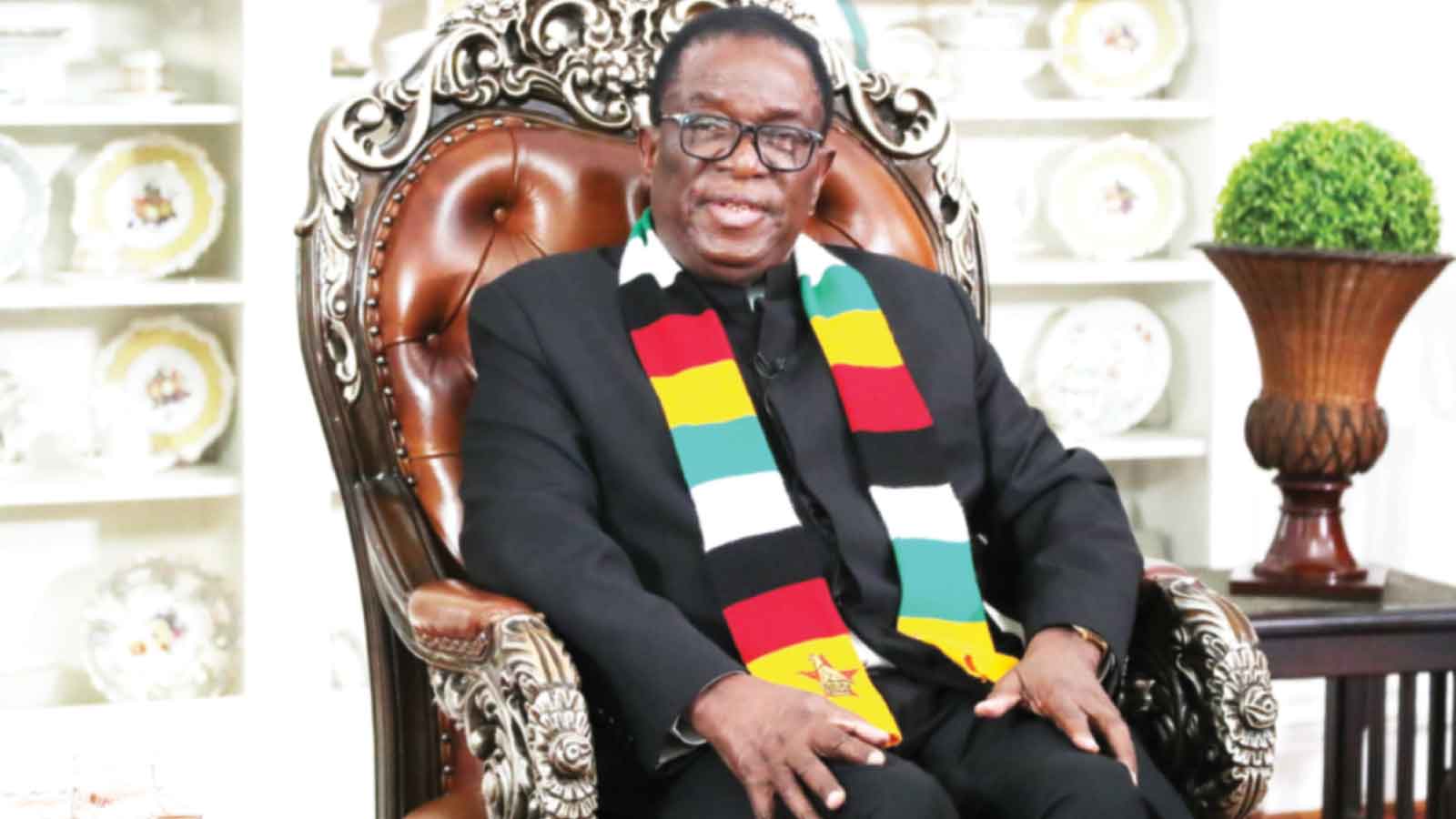
She was later attached to the then Special Assistant Officer to Zanu-PF President Cde Robert Mugabe (President Mnangagwa) before proceeding to Mudzingadzi and eventually Maputo to the head office with the position of secretary to the Special Assistant in the President‘s office.
Her job was to ensure that all the information about the party, soldiers, battles, fatalities and other critical information was well kept.
It was around that time that she met her husband, Ambassador Christopher Mutsvangwa.
The couple started off as friends before dating and getting married in front of soldiers in Maputo.
“When Zimbabwe became independent I had to stay behind a bit, so I came much later with all the security documents because we first needed to make sure that all the documents were safe which meant waiting until the coast was clear.”
Now a mother of four with a demanding office, Minister Mutsvangwa has to work around the clock to balance her schedule.
She said it is through hard work that she has risen through the ranks and has been able to provide for her family.
“You women need to learn to work hard and provide for your families. I am saddened by today’s generation, they do not understand what most of us go through. Being a mother means carrying your family on your shoulders, sacrifice and multi-tasking,” the Minister explained.


 Online Reporter