

 Online Reporter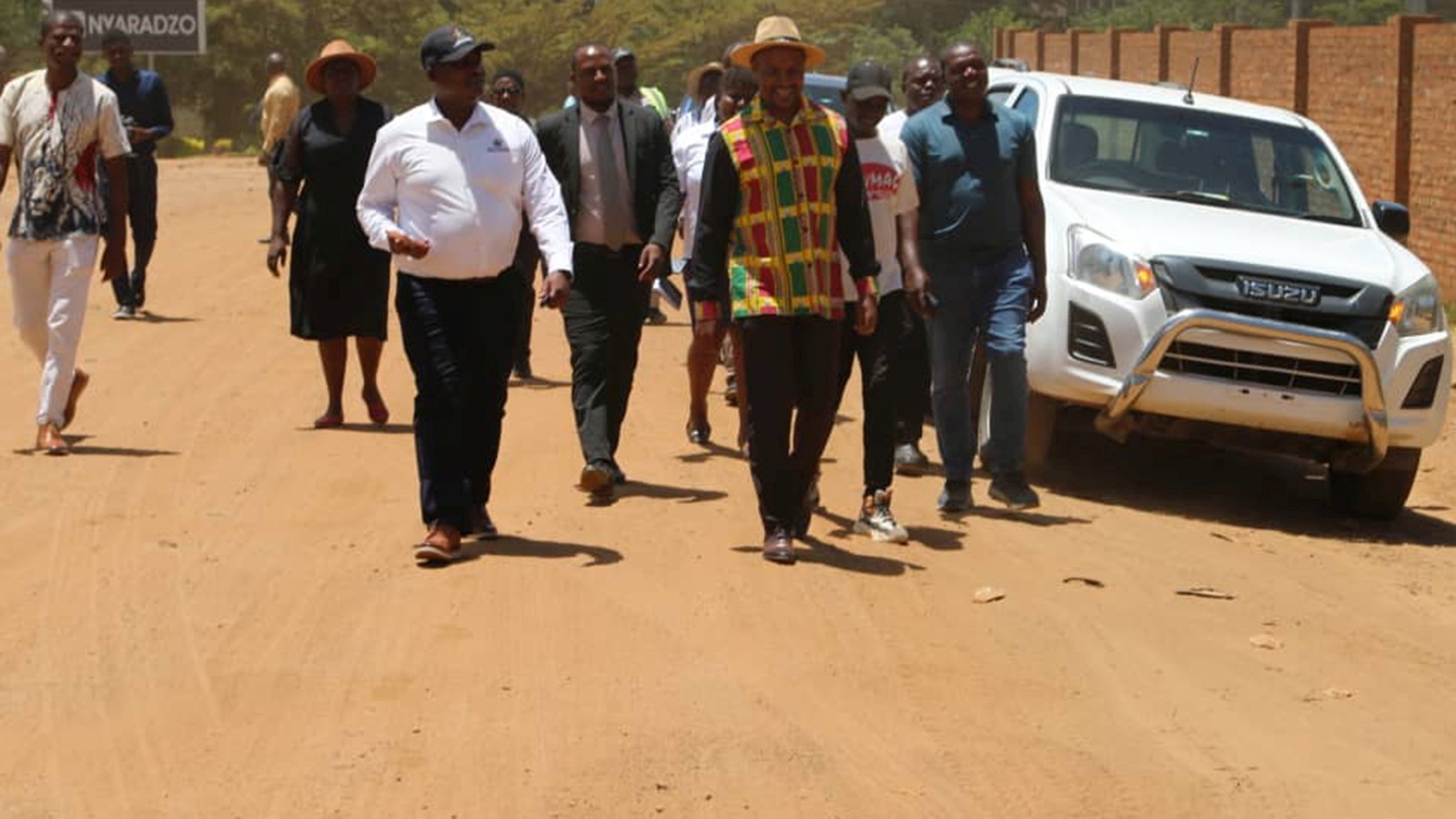
Freeman Razemba
Senior Reporter
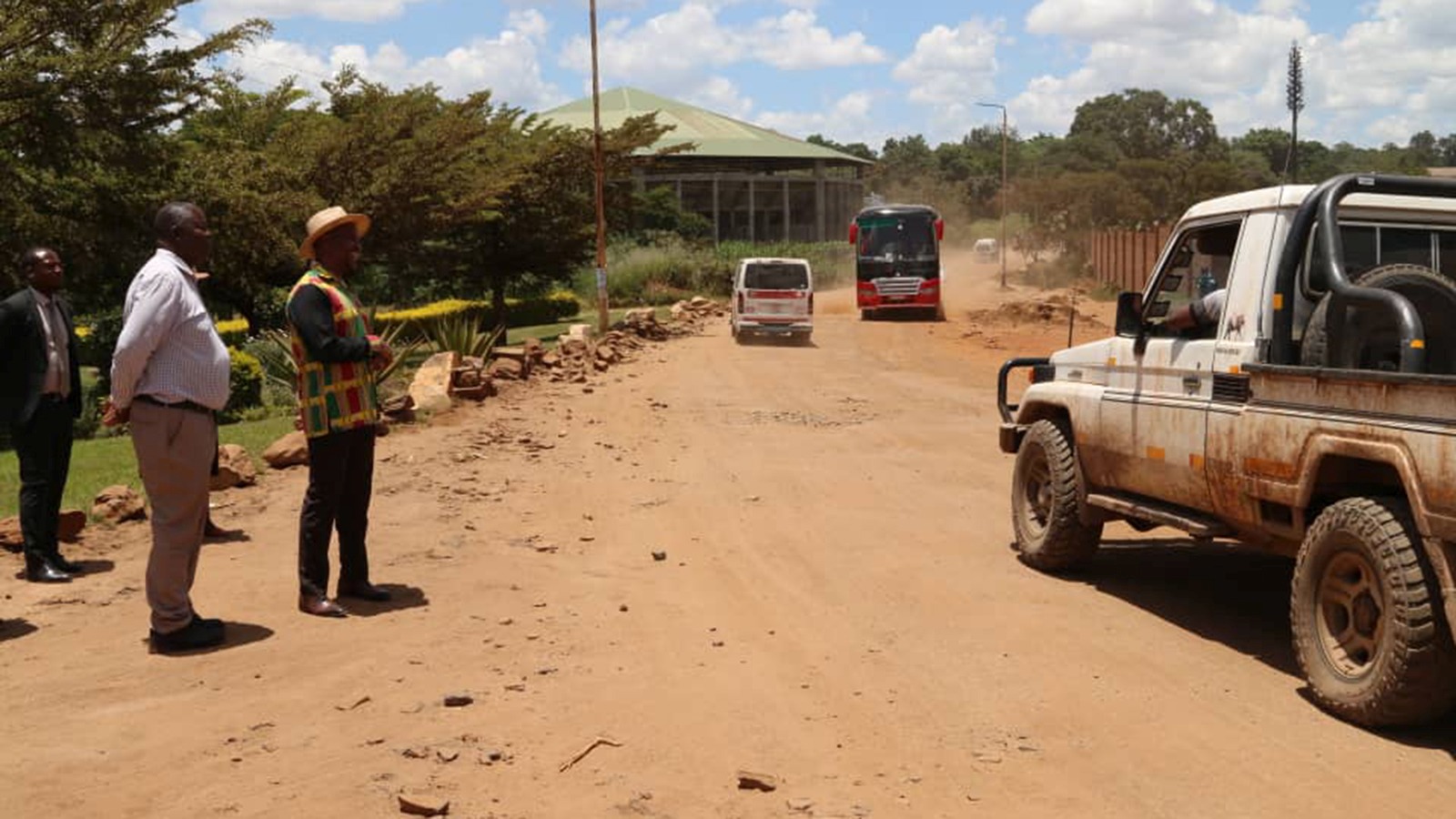
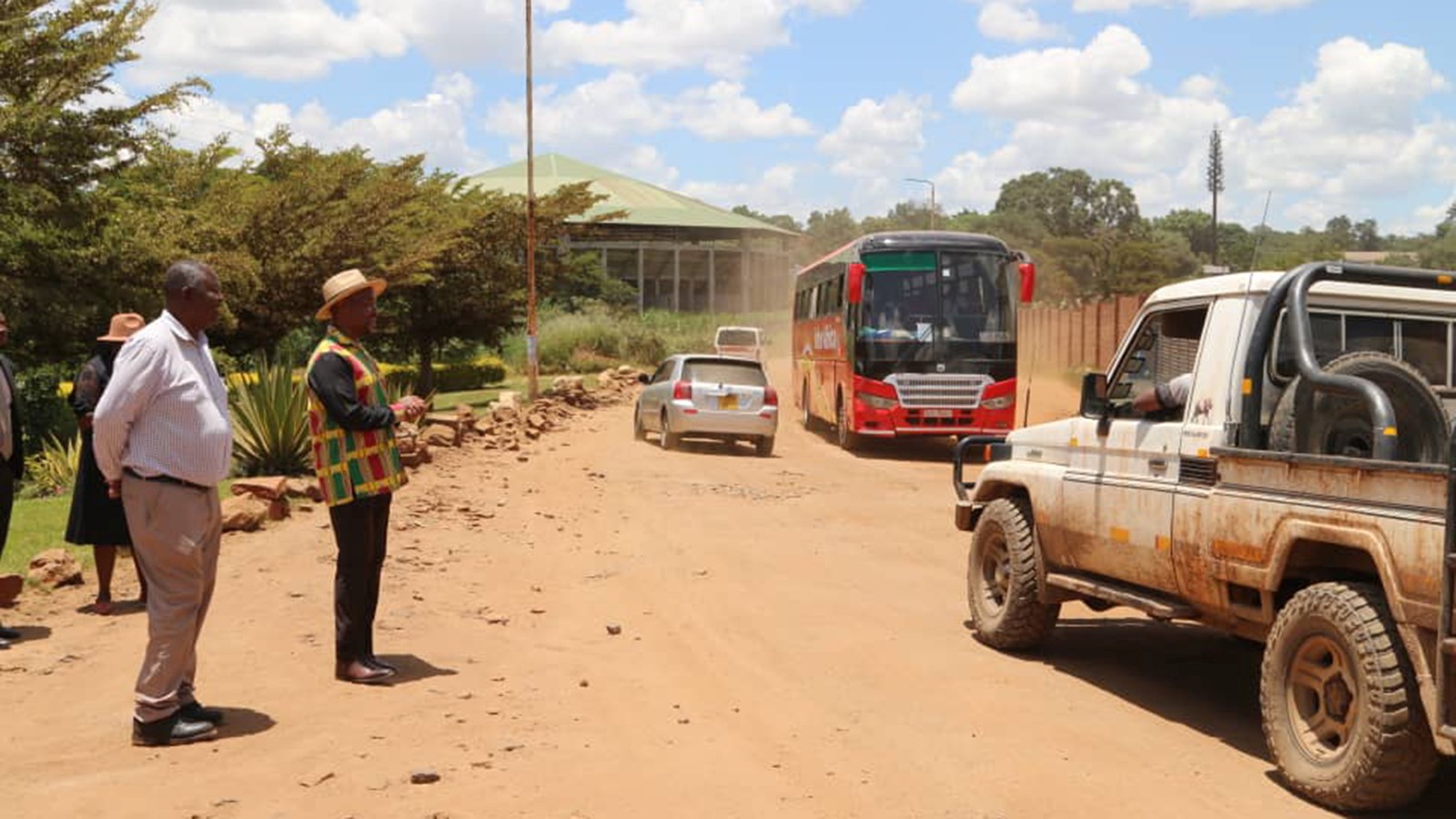
Transport and Infrastructural Development Minister Felix Mhona is leading a delegation on a tour of city roads this Monday to assess their condition.
The minister is accompanied by senior officials and engineers from the ministry.
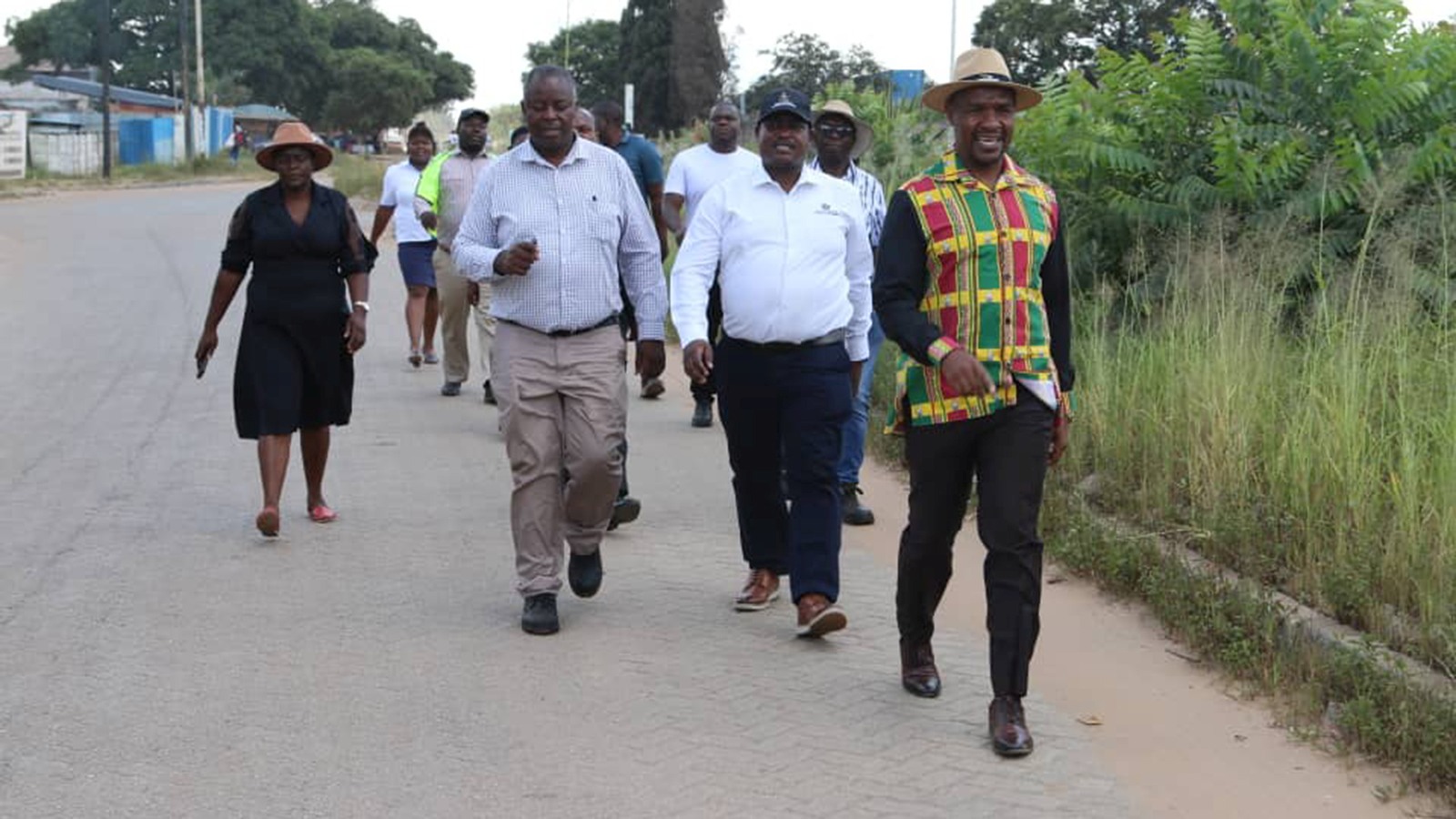
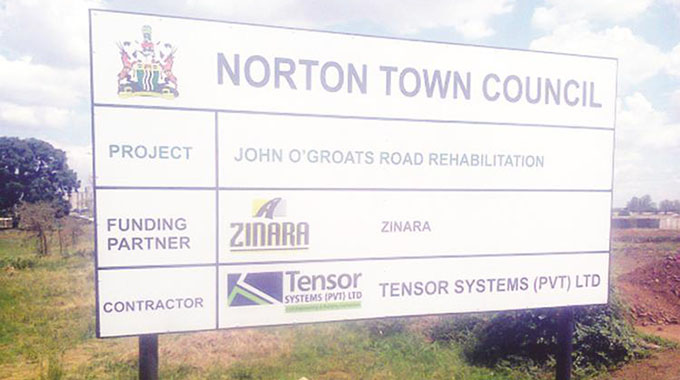
This development comes as the Government collaborates with local authorities to address the state of roads across the country through the Emergency Road Rehabilitation Programme.
The ERRP2 initiative aims to repair roads in both urban and rural areas that have been damaged by the recent heavy rains.
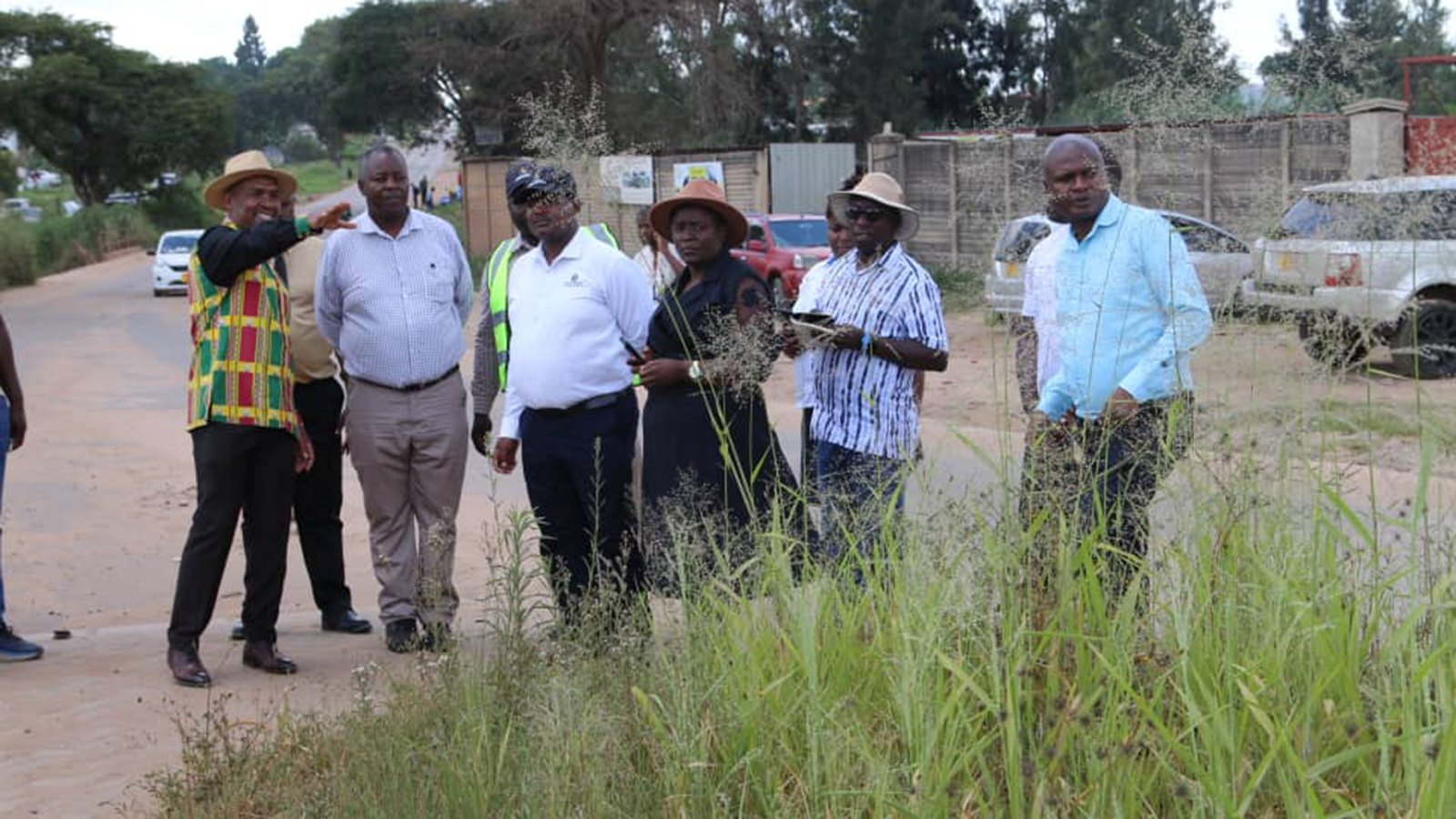
President Mnangagwa last year extended the Emergency Road Rehabilitation Programme Phase 2 (ERRP2) to 2026, reaffirming the Government’s commitment to building a modern, interconnected transport network that positions Zimbabwe as a regional logistics hub of choice.
Initially launched in March 2021 as a short-term response to widespread road damage caused by years of neglect and extreme weather, ERRP2 has since evolved into a long-term national infrastructure revival initiative driving economic transformation in line with Vision 2030.
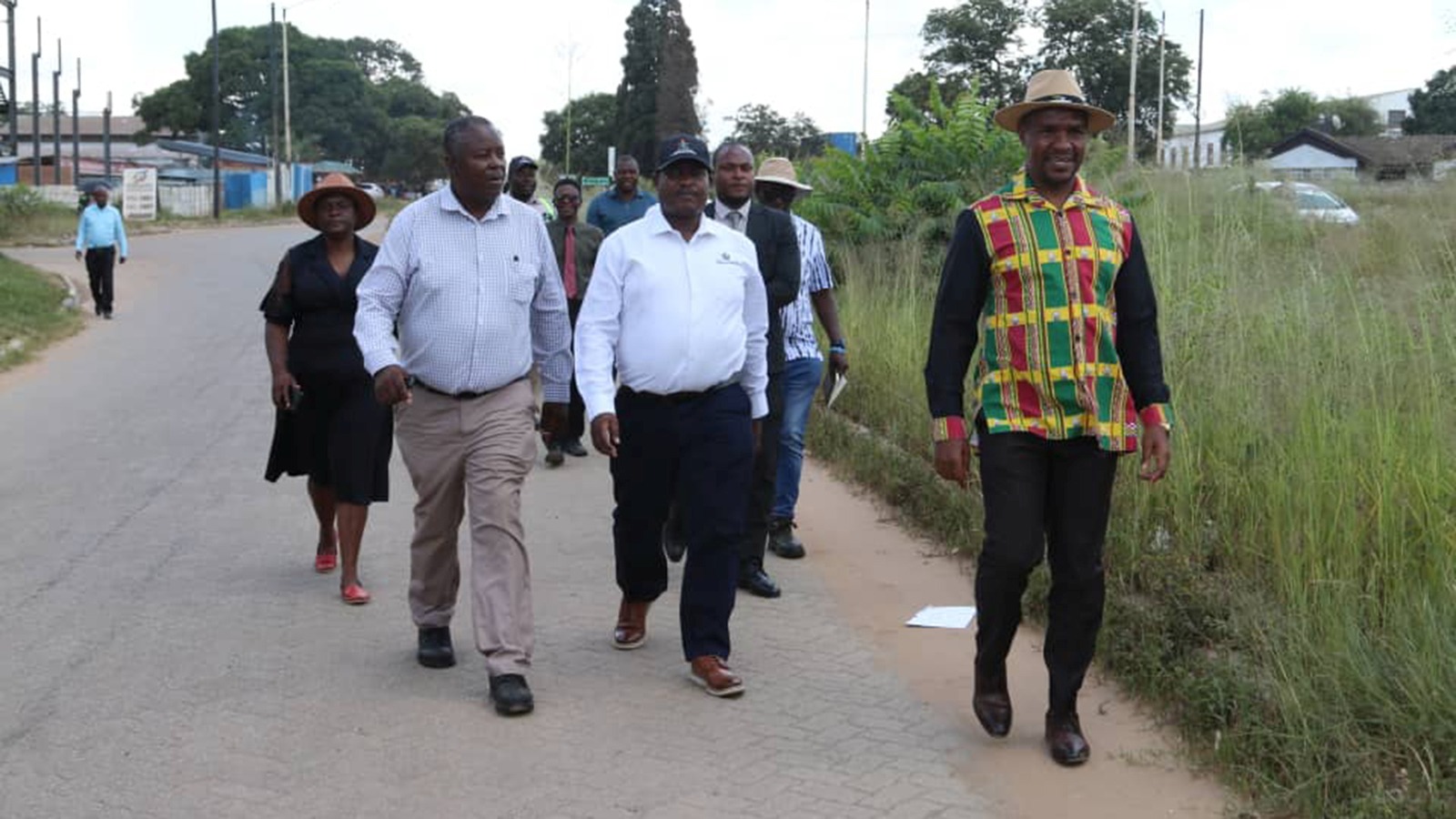
The extension is expected to accelerate the construction of new roads, the rehabilitation of existing routes, and the upgrading of drainage and safety infrastructure, particularly along strategic economic corridors that connect Zimbabwe with the broader Southern African Development Community (SADC).



I still don’t understand how we ended up with such embarrassingly dilapidated infrastructure in our urban centres. How did this come about?