Online Reporter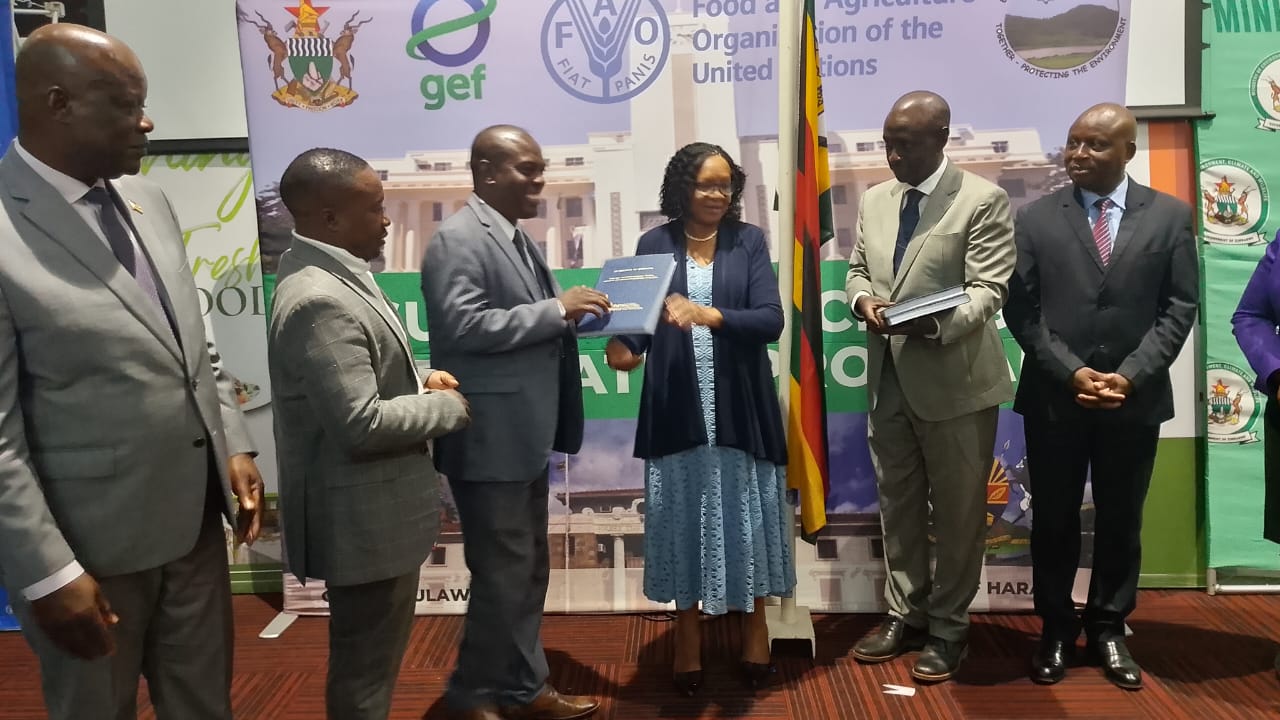
Sikhumbuzo Moyo, [email protected]
GOVERNMENT has said the Sustainable Cities Integrated Programme under the Global Environmental Facility (GEF-8) is a major step towards building resilient communities, restoring degraded ecosystems and improving livelihoods in urban centres.
Speaking in her keynote address as she launched the Urban and Peri-Urban Resilience through Investment for Sustainable Ecosystems Project at a Bulawayo hotel today Friday, the Minister of Environment, Climate and Wildlife, Evelyn Ndlovu, commended development partners and local authorities for supporting Zimbabwe’s sustainable urban development agenda.
“I commend the invaluable support of the Food and Agriculture Organization of the United Nations, fellow United Nations agencies, the Global Environment Facility and the World Bank, which manages the GEF-8 funded Sustainable Cities Integrated Programme,” she said.
Minister Ndlovu said the programme supports Zimbabwe’s Vision 2030 by promoting inclusive and sustainable urban development while improving the quality of life in cities.
The initiative seeks to address challenges associated with rapid urbanisation, ecosystem degradation and food system vulnerabilities in Harare and Bulawayo, which threaten livelihoods, biodiversity and food security.
Minister Ndlovu said the project focuses on three key pillars that include strengthening urban planning systems, supporting climate resilience and local economic development, as well as restoring ecosystems and promoting sustainable food systems.
“Ultimately, the project aims to build resilient communities and ecosystems, ensuring that urban centres become sustainable, inclusive and prosperous for the future,” said Minister Ndlovu.
Minister Ndlovu said the programme would also contribute towards cleaning cities, rehabilitating rivers and sewer systems, and creating safer and more habitable urban environments.
The Minister said the project complements ongoing national programmes such as the National Clean-Up Day initiative launched by Emmerson Mnangagwa in 2022, the Presidential Green Legacy Programme and the development of recreational parks.
Minister Ndlovu said the initiative demonstrates Zimbabwe’s commitment to safeguarding green and blue ecosystems through nature-based solutions such as wetland rehabilitation, reforestation and agroforestry development.
“At its core, the project is anchored on three transformative pillars — climate resilience and planning, innovative investments, and knowledge sharing and collaboration,” said Minister Ndlovu.
She added that the project seeks to strengthen governance frameworks for wetlands, waterways and forests while promoting inclusive climate action plans and mobilising investments for resilient infrastructure and green economic opportunities.


 Bongani Ndlovu