Chronicle Editor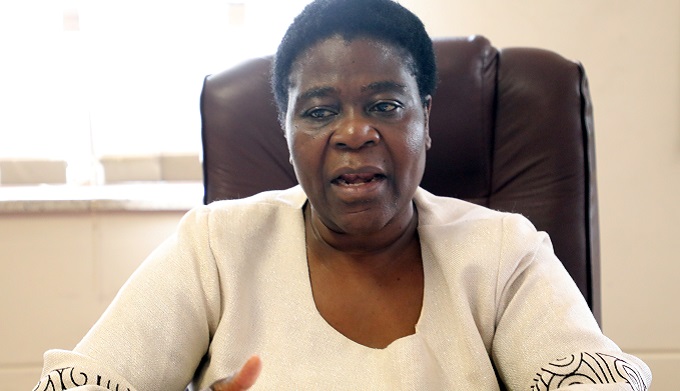
Esinathy Sibanda, Chronicle Reporter
BULAWAYO Provincial Affairs Minister Cde Judith Ncube has said she will engage city fathers and other relevant stakeholders soon after the festive holiday to plan on the devolution process.
Treasury recently allocated $310 million in the 2019 National Budget for devolution.
In an interview, the Minister said there is an understanding that Bulawayo will get $31 million, but she was still waiting for official government communication on the allocation of the money.
The Minister said devolution was inevitable; therefore engagement of everyone in the province was vital to ensure the success of the process.
“I cannot make the decisions by myself because this province is bigger than me. We have stakeholders like the city council, the residents and other relevant authorities such as the Central Committee,” she said.
“This is going to be a collective effort and everyone’s input will surely make a difference in making Bulawayo great again. We need to come up with a way that we are going to map together. If we succeed, we celebrate together and if we fail, we fail as a group and there won’t be any finger-pointing.”
Cde Ncube said the engagement process will begin soon after the holidays.
She said she hopes they will be able to set the right priorities and address important issues first.
“I believe devolution is the centre pivot for Bulawayo’s re-industrialisation agenda. We will decide on our fate as Bulawayo. We might encounter teething problems but we need to shape it well to suit our culture, to suit our needs as Bulawayo province,” she said.
Cde Ncube said as part of the engagement process, her office is open to all Bulawayo residents.
“Together we should find our way forward. I have held a brief meeting with heads of government departments but we are yet to chart the way forward. We have to consider what we already have and what we should put on our priority list. More so, I’m looking at a situation where our priority areas should come from the people,” she said.
Bulawayo Province has high hopes about devolution of power for the city’s re-industrialisation and job creation as a devolved system would allow the city to shape its destiny.
The Government is working on modalities towards the implementation of devolution that would see provinces running their respective economies.
Implementation of devolution enjoins central Government to release funds for provincial budgets to ensure that areas lagging behind in terms of development are prioritised.
Under a devolved state, each province will have its own economic development plan underpinned by resources found in that province.
Economic plans will be crafted by provincial councils, led by provincial ministers, whose role should also be development-oriented.
A month before the July 30 elections, President Mnangagwa said his administration would introduce provincial councils in line with the constitutional provisions for devolution of power.
Addressing Zanu-PF supporters at Pelandaba Stadium in Gwanda, Matabeleland South, President Mnangagwa said the implementation of devolution would ensure that provincial ministers do not dwell on chanting party slogans but work to boost the economies of their respective provinces.
President Mnangagwa said provincial ministers must, for example, know all the minerals in their areas and come up with ways of exploiting them to develop their provinces.
He said provinces would compete in terms of economic delivery.
“When we finish the July 30 elections, when we win, the Second Republic will come into place.
“Under the Second Republic, each province will have its own economic planning programming from ward, to district to provinces. We will initiate the provincial council as provided for by the Constitution, run province by province in a devolved tower,” said President Mnangagwa.
Councils have started setting up structures to start the process of devolution.
– @esinathy_essira


 derick.khumalo