Judith Phiri [email protected]
THE Ministry of Agriculture, Mechanisation and Water Resources Development has been urged to prioritise the completion of ongoing strategic infrastructure projects, accelerate the national borehole drilling programme, strengthen preparedness for El Niño-induced drought and other climate-related shocks.
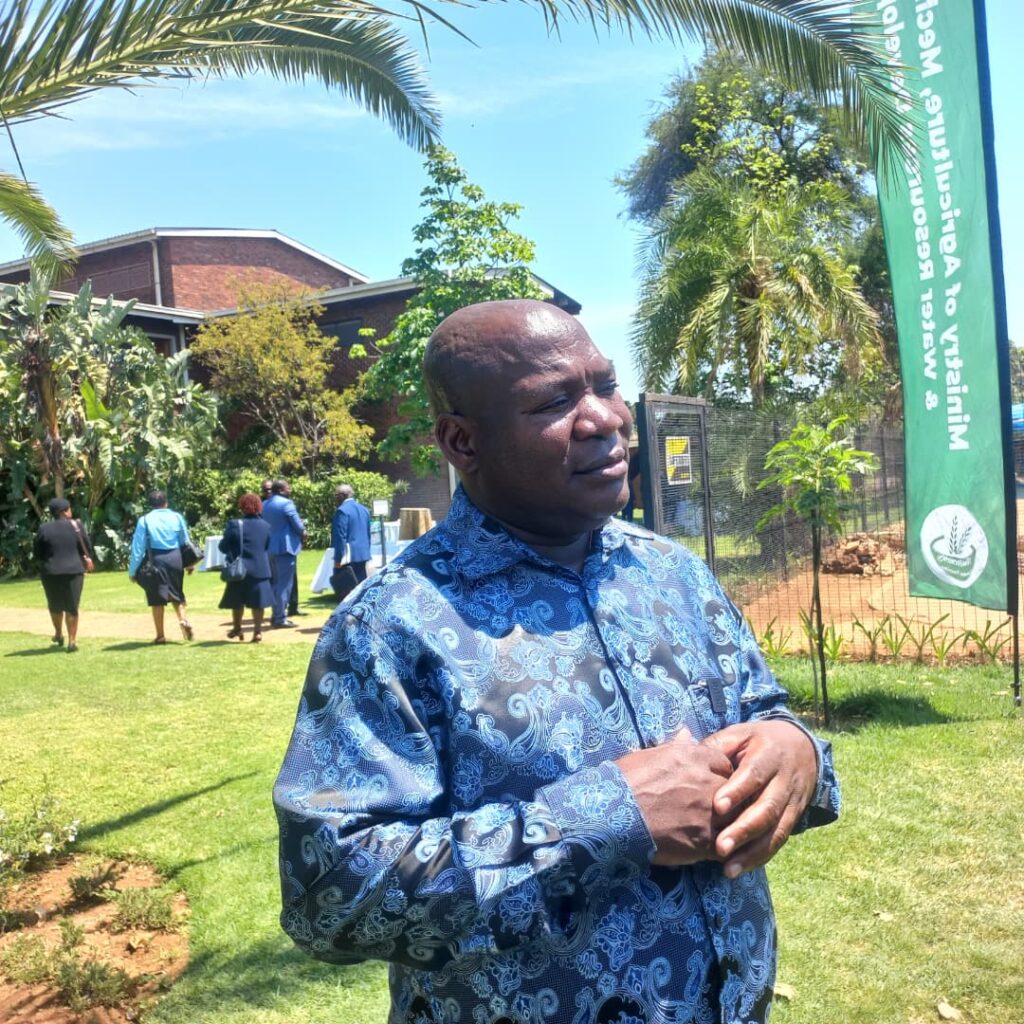
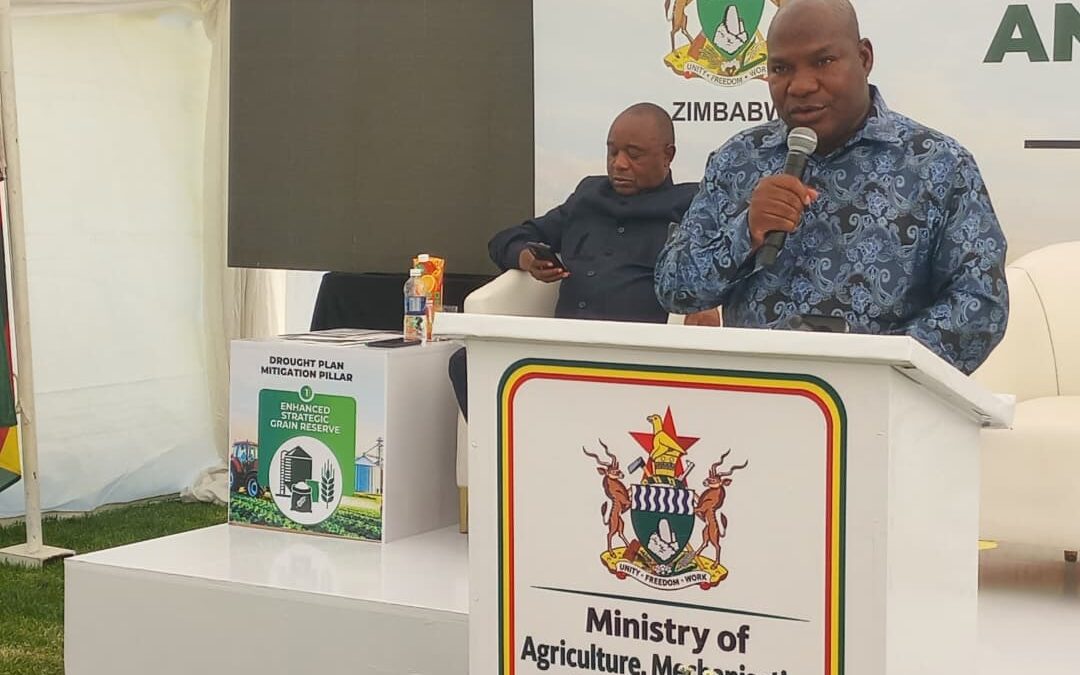
Speaking at the Ministry’s five-day strategic planning workshop in Bulawayo on Monday, Chairperson of the Portfolio Committee on Lands, Agriculture, Fisheries, Water and Rural Development, Felix Saul Maburutse said the three priorities in the Committee’s view, deserve particular attention in the Ministry’s strategic direction.
“First, we must prioritise the completion of ongoing strategic infrastructure projects. Significant public resources have already been committed to major infrastructure investments.
“When such projects remain incomplete for prolonged periods, their intended economic and social benefits are delayed, while the cost of completion may increase. The Committee therefore urges the Ministry to give priority to completing viable projects already under implementation before taking on an extensive portfolio of new commitments,” he said.
“The Gwayi-Shangani Dam and Kunzvi Dam projects deserve particular attention. These are strategic water infrastructure investments with the potential to strengthen water security, support irrigation development and improve resilience to drought.”
He said the Ministry should identify the remaining works, funding requirements, responsible implementing agencies and credible completion milestones for each project.
Maburutse said their concern must be not only with construction progress, but also with the timely delivery of benefits to communities and productive sectors.
He added: “Second, we must accelerate the national borehole drilling programme. The Government’s target of drilling 35,000 boreholes by 2030 is an important commitment to improving access to water, strengthening rural livelihoods and building community resilience.”
Maburutse said achieving this target requires a clear implementation plan and a pace of delivery consistent with the time remaining.
He said the Committee would welcome a detailed roadmap setting out the number of boreholes completed to date, the balance outstanding, annual targets through 2030, geographic priorities and the financial and operational resources required.
“Equally important is the functionality and sustainability of the infrastructure. Boreholes must be properly sited, equipped, maintained and managed so that communities continue to benefit long after installation.”
Maburutse said the third, was the need to strengthen preparedness for El Niño-induced drought and other climate-related shocks as Zimbabwe’s dependence on rain-fed agriculture exposes farmers and rural communities to significant climate risks.
He said experience has shown that waiting until drought has already taken hold is more costly and disruptive than investing in preparedness, while planning must therefore be anticipatory, coordinated and responsive to emerging risks.
“The Ministry should give particular attention to climate-smart agricultural practices, the expansion and effective utilisation of irrigation infrastructure, livestock protection measures, and the adequacy and management of food and grain reserves.
“These interventions should be supported by timely information, clearly assigned responsibilities and practical contingency arrangements. Drought preparedness must be integrated into annual work plans and budgets, rather than treated as an emergency consideration alone,” he said.
Maburutse said the success of these priorities will depend on implementation discipline and the Committee encourages the Ministry to link each strategic commitment to an accountable institution, a realistic budget, a delivery timeline and a measurable outcome.
He said where constraints arise, they should be identified early and addressed transparently, while limited resources make prioritisation and value for money all the more important.
“Parliament, through its oversight mandate, will continue to scrutinise the implementation of Government policies and programmes and the efficient use of public resources. At the same time, we remain committed to constructive engagement with the Ministry,” he added.
“Regular sharing of progress reports, implementation challenges and funding requirements will enable the Committee to make informed recommendations, including during the national budget process, and to provide support within its constitutional mandate.”